 ROU
ROU
 SAV
SAV
 PES
PES
 PHA
PHA
 REN
REN
 NAB
NAB
 COM
COM
 COL
COL
Seiji Ozawa

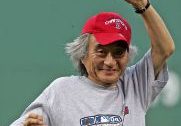
Japan and the USA, baseball and music. These pairs make a beautiful match that sums up the life of a great Japanese conductor in the land of the little leather ball led by a baton.
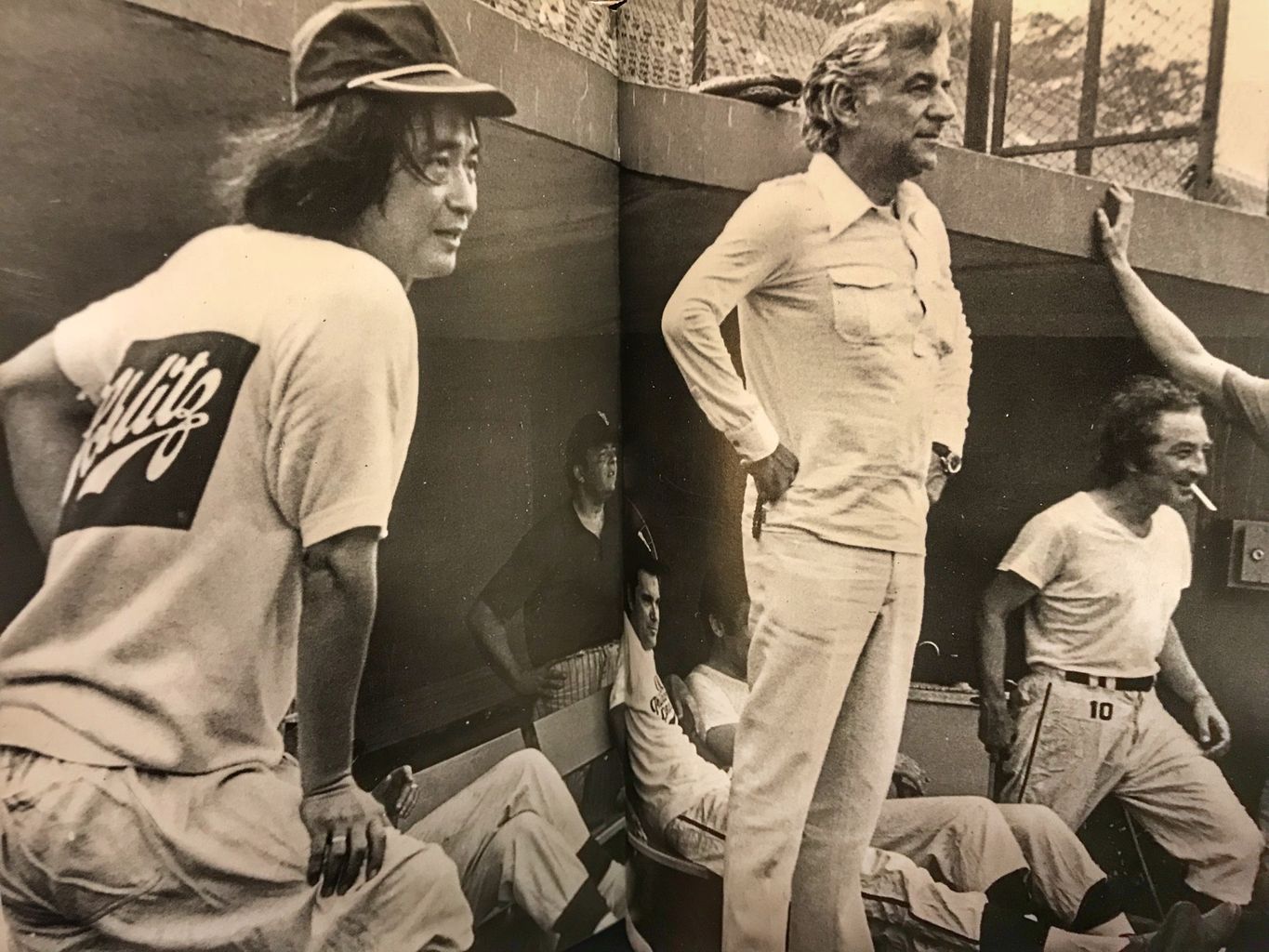
With Leonard Bernstein on a Japanese field (1968)
Seiji Ozawa studies Western classical music at Tōhō Gakuen University of Music in Tokyo. There, he learns orchestral conducting under conductor Hideo Saito. Then he heads to Europe, where he wins first prize at the Besançon Competition in 1959, catching the eye of Charles Münch, who invites him to conduct the Boston Symphony Orchestra at Tanglewood. He would go on to serve as the orchestra’s music director for nearly 30 years, from 1973 to 2002. Ever loyal to his home country, Seiji Ozawa founds the New Japan Philharmonic Orchestra, all while remaining a true baseball fan.
“During the war, baseball was seen as the enemy’s sport,” observes Seiji Ozawa. “That day (in Nagasaki), I felt how times were changing.” A striking metaphor: to believe in the future, play the winners’ game—a game whose rules you didn’t set. The umpiring, 70 years later, remains painful.
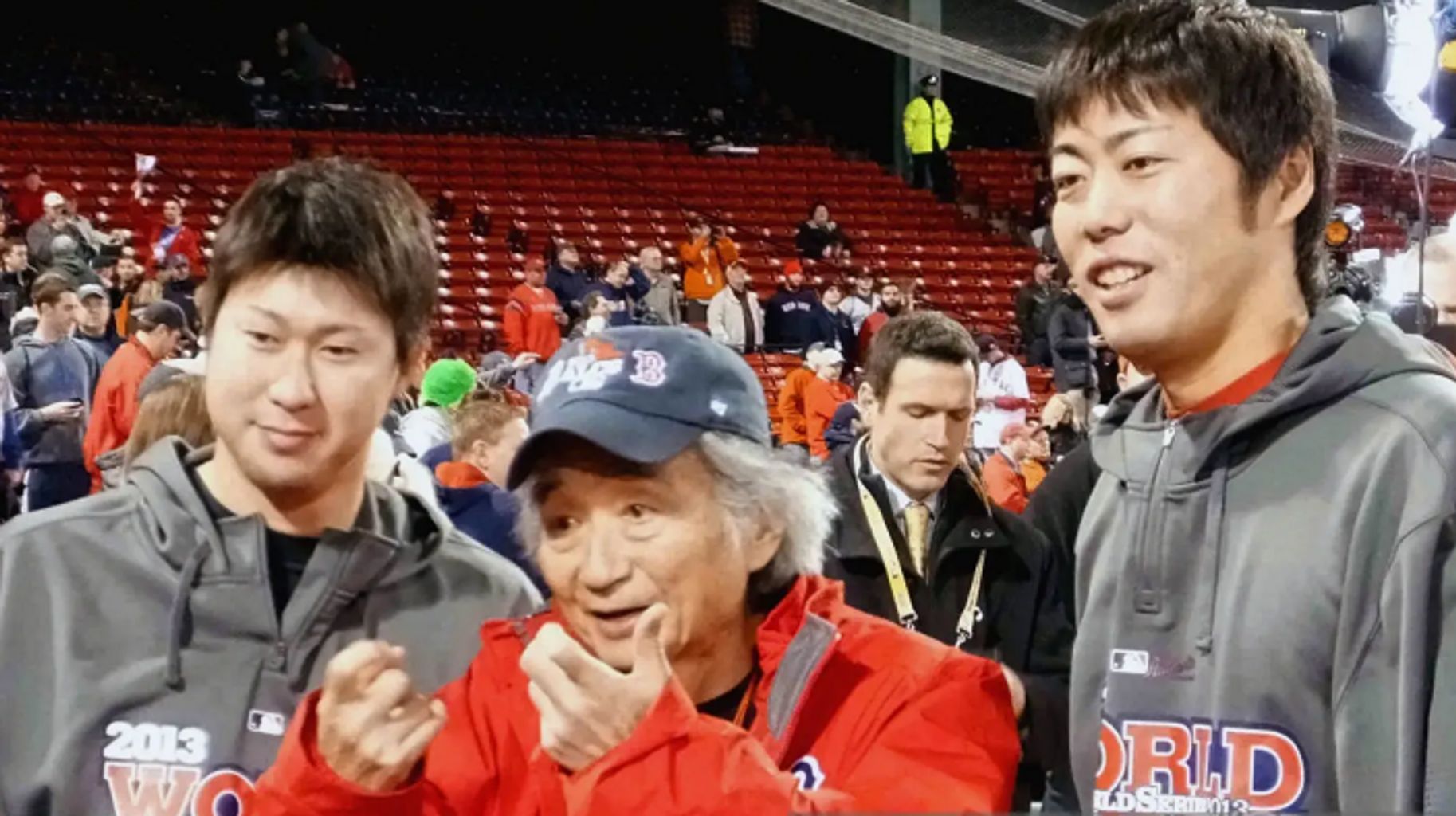
In 2013
During the World Series, one of the most charming artifacts from Japan was the “tournament” between the Boston Symphony Orchestra and the St. Louis Symphony Orchestra. After some heated exchanges, the musicians from both groups launched into dueling versions of “Anything You Can Do I Can Do Better” and “Take Me Out to the Ballgame”—with a few measures of “Meet Me in St. Louis” and “Sweet Caroline.” The most charming part is the familiar face of former Boston Symphony Orchestra conductor Seiji Ozawa. In the YouTube video, he emerges from the crowd of musicians to say: “Go for it!” He then conducts the Boston portion of the battle, wearing a David Ortiz jersey.
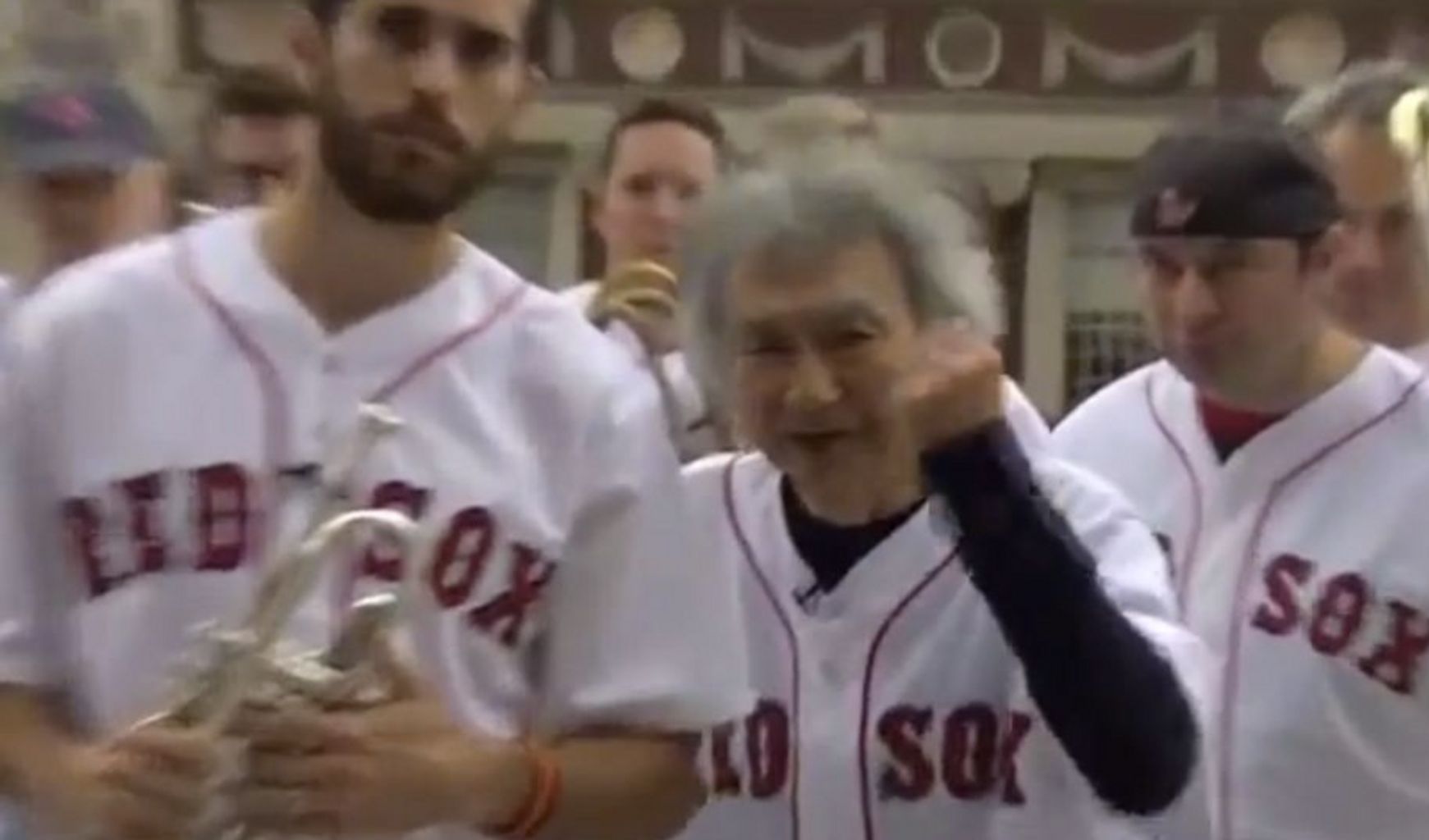
It’s a lovely reminder that Ozawa, who led the BSO for 29 seasons, still holds the title of laureate conductor—something like having Pedro Martinez back in the dugout as a coach. The mutual affection between Ozawa and Boston recalls one of the most beautiful stories of the Red Sox’s season: the welcome the city gave to pitchers Junichi Tazawa and Koji Uehara. Uehara’s recent blog posts in Japanese, translated for Bob Hohler of the Globe, clearly show his sense of humor and dedication to his craft. Decades before Uehara fever, Ozawa made a similar transition, going from Japanese star to beloved Boston icon. The cultural exchange continues.
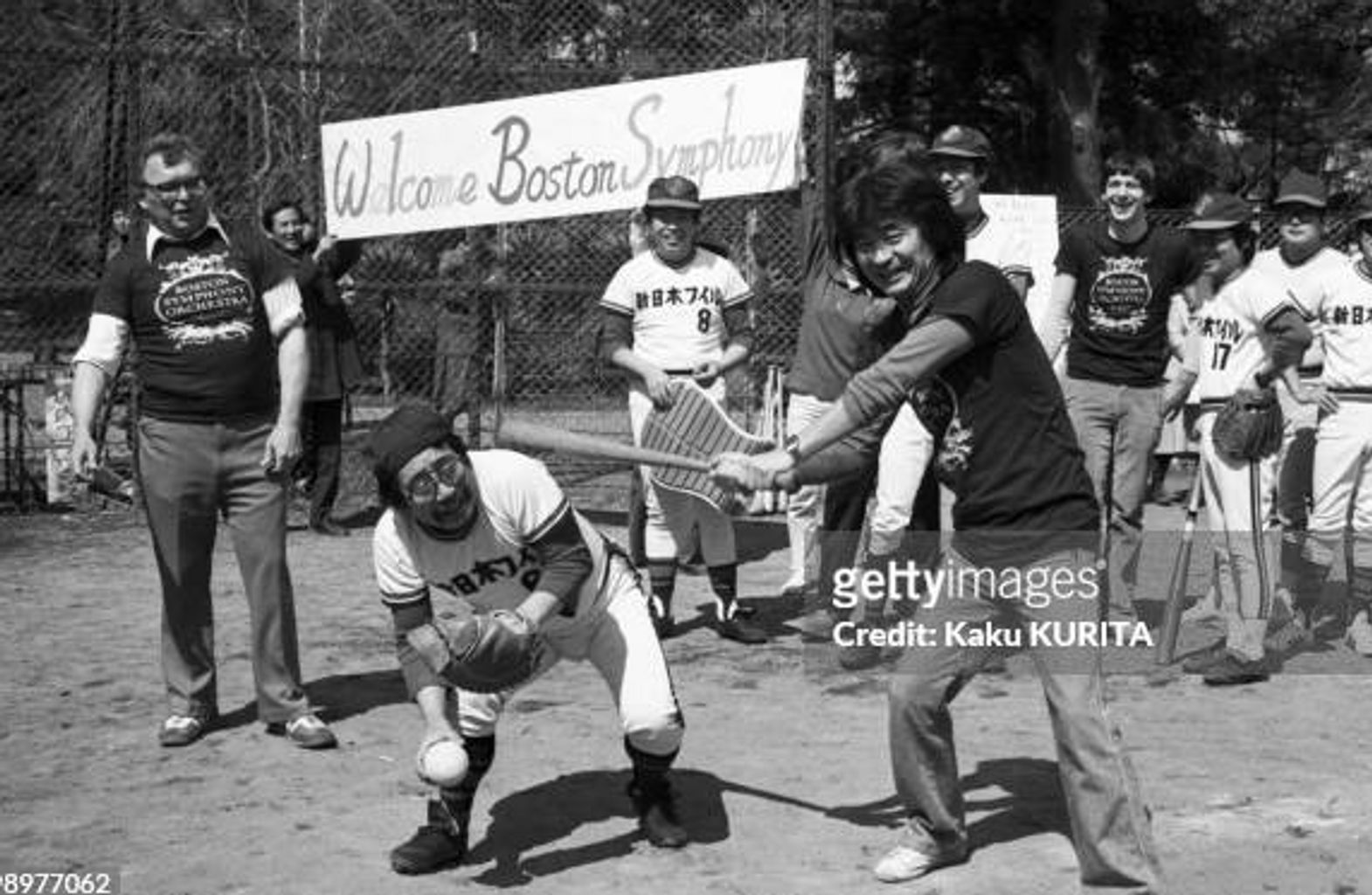
Conductor Seiji Ozawa plays baseball, March 15, 1978. (Photo by Kaku KURITA/Gamma-Rapho via Getty Images)



React to this article
Community rules
Loading rules…