 ROU
ROU
 SAV
SAV
 PES
PES
 PHA
PHA
 REN
REN
 NAB
NAB
 COM
COM
 COL
COL
One Outs
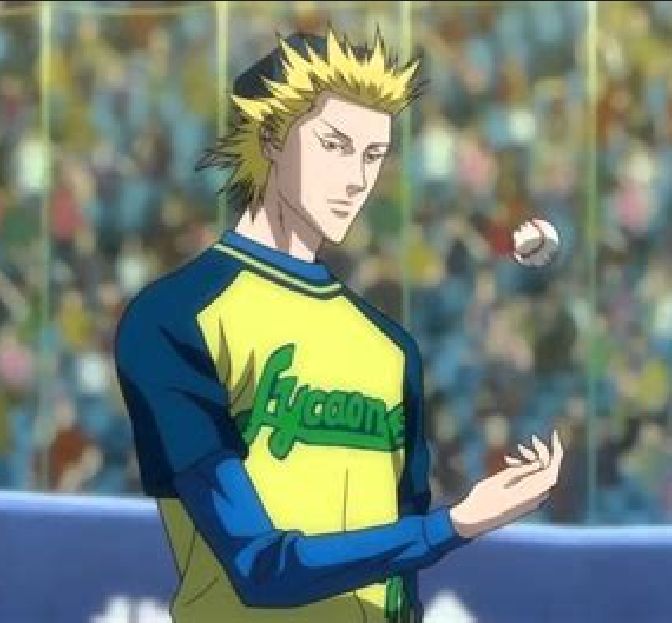
Baseball, like all team sports, highlights values such as self-improvement, team spirit, and sportsmanship. You know what I’m talking about. Well, you can sweep all those nice values under the rug, because I’m going to tell you about One Outs.
This manga, created by Shinobu Kaitani, was published between 1998 and 2006 and adapted into an anime in 2008.
The story is set in Japan. Hiroshi Kojima is the undisputed star of the Saitama Lycaons, their cleanup hitter, and he’s won everything… except the championship. He heads to Okinawa for preseason training to be sharp when the season opens. Unfortunately, the pitcher he’s preparing with gets injured, halting the training. To help Kojima, two of his friends hunt for a replacement pitcher and scour the city. They’re eventually approached by a woman who invites them to a special game called ‘One Outs’.

The concept of this game, created by soldiers on an American base, is simple: a one-on-one between a batter and a pitcher. If the pitcher strikes out the batter three times, they win. If the batter wants to win, they must hit the ball into the playing area. And what’s the prize? A wad of cash!! And you can bet Kojima’s friends were two easy marks who end up owing a hefty sum to the One Outs legend: Tokuchi Toa. After a tense duel between Toa and Hiroshi to settle the debt, the latter bets his right hand—his spot on the Lycaons—on hitting Toa’s pitch… thus begins Toa’s professional career.
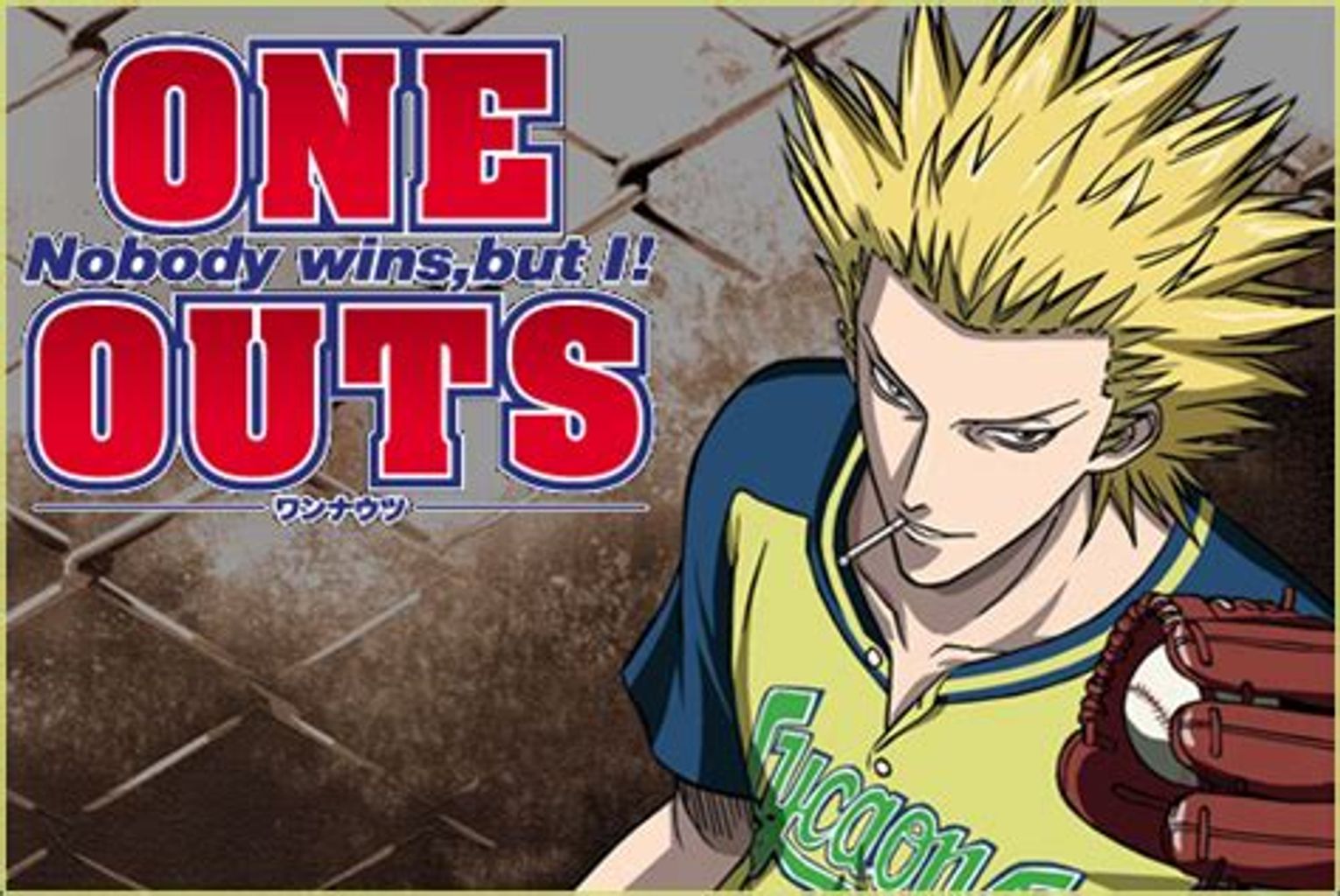
This gripping manga subtly blends baseball, psychology (even mentalism), and gambling, allowing us to explore the sport in a unique way compared to typical sports manga. Each character represents a different perspective on baseball.
Kojima embodies the sporting side of baseball. He has immense respect for the game and initially believes Tokuchi Toa ‘taints’ it by mixing in gambling. He’s fully committed to his team and their purely sporting goal of winning the championship. He’s a man of duty, mindful of the rules.
Toa represents the psychological side of baseball. Manipulative, charismatic, and observant, he perfectly adapts his strategy and pitches to the batter he faces. He analyzes his opponent’s physical traits, plays with their nerves, provokes them, to control them like a puppet. He’s also the laid-back, fun side (he takes a nap right before playball and stubbornly refuses to warm up his arm before pitching), in short, a badass, nonchalant, and talented pitcher.
Finally, the financial side of baseball is embodied by Tsuneo Saikawa, the owner of the Saitama Lycaons. He only cares about money and will do anything to amass more. He’s also a gambler. When Toa arrives, he agrees to pay him based on his strikeouts per game; Toa earns a hefty sum per batter struck out, but if he allows a run, he pays Saikawa… One Outs as a work contract! But when he realizes Toa’s true abilities, he doesn’t hesitate to pressure other players to sabotage the team’s performance, even if it means sending them to the bottom of the standings.
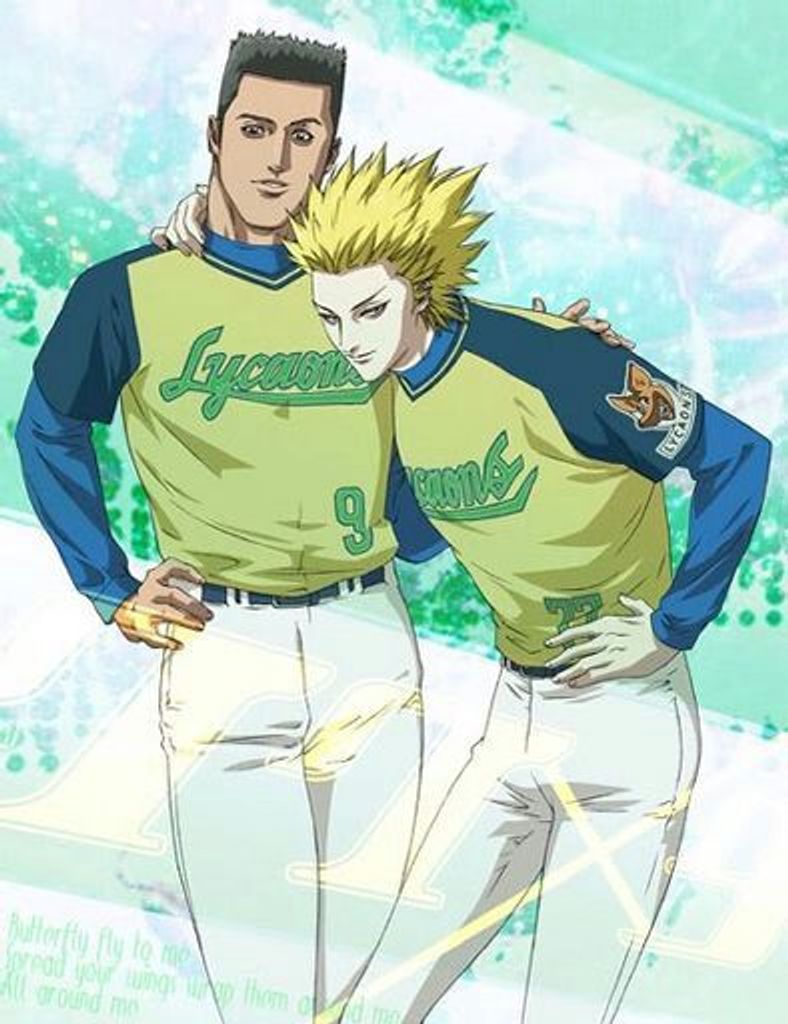
Baseball has a long and complex history with sports gambling. Since the mid-19th century, people have bet on baseball results, sometimes amid scandal (think of the White Sox and the 1919 World Series), and some players or managers have been caught betting on their own team, casting a shadow over this magnificent sport. Yet, sports gambling is an integral part of the passion Americans (among others) have for sports, especially for rural fans who quickly started betting on scores, hits, or runs, etc., and for players on small teams who weren’t paid a salary; gambling was then a source of income. A history that deserves its own article!
One Outs shakes up the codes of sports manga, revealing the dark side of professional sports, with manipulation, violence, and cheating. The 25 episodes of the anime are available with subtitles on YouTube.
Sébastien Dondé
Photo Credits: oneouts.fandom.com; mangathrill.com; pinterest.com
2 comments
-

Geo
-

Maxence Esteban
See the 2 commentsLe meilleur manga de baseball sera toujours ”rookies” 🤣
Clairement LE meilleur manga de Baseball
Community rules
Loading rules…