 PES
PES
 PHA
PHA
 SAV
SAV
 ROU
ROU
 REN
REN
 NAB
NAB
 COM
COM
 COL
COL
Interview with Thierry Raphet

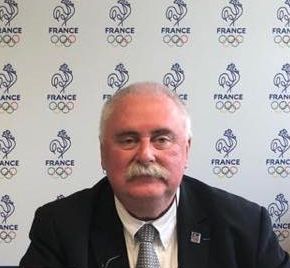
BTVF: Who are you, Thierry Raphet?
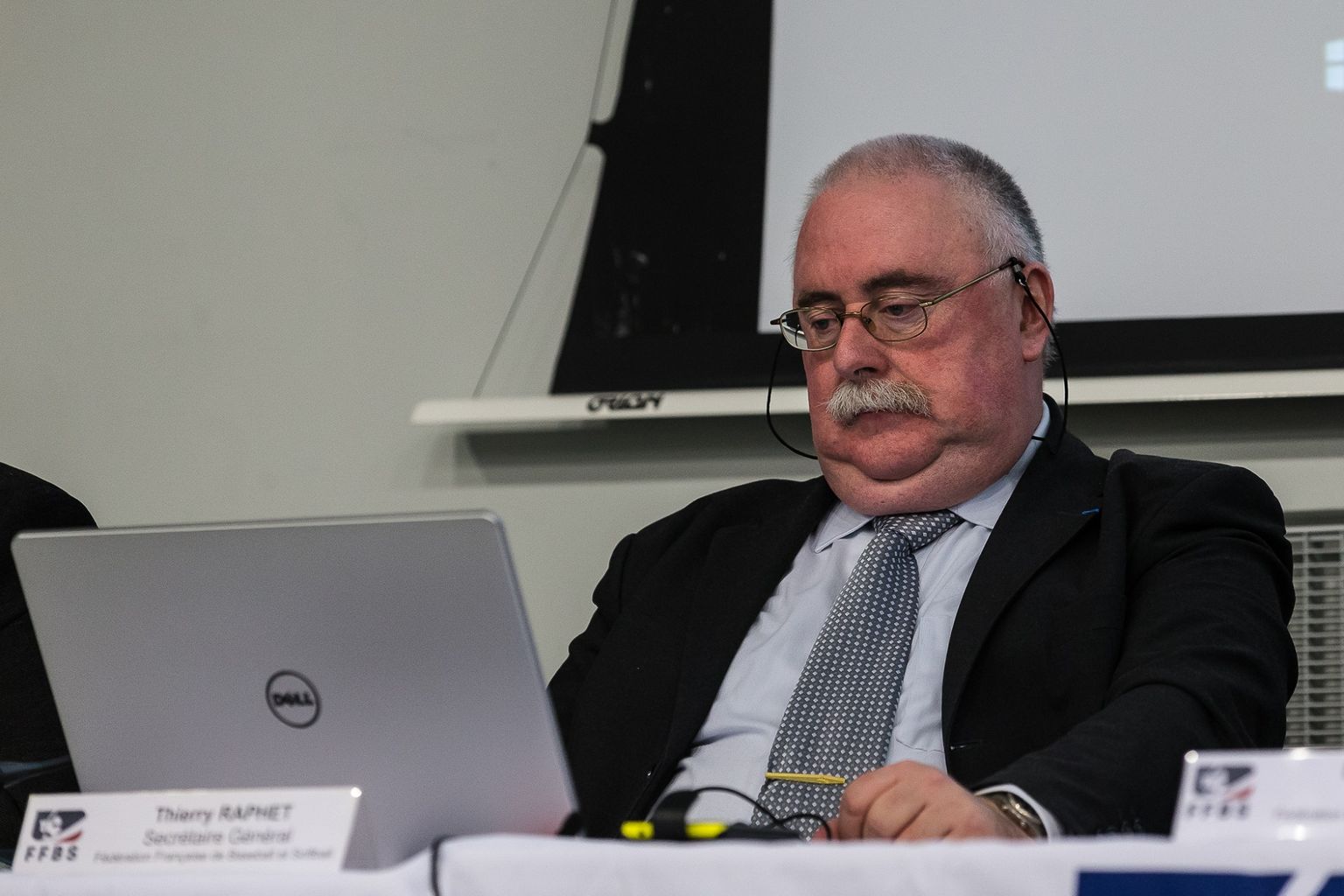
T.R.: Above all, a baseball and softball enthusiast! I’m 63 years old, married, and a father of two. Now retired, I spent my career serving the state, first in the Army, then at IRD (EPST).
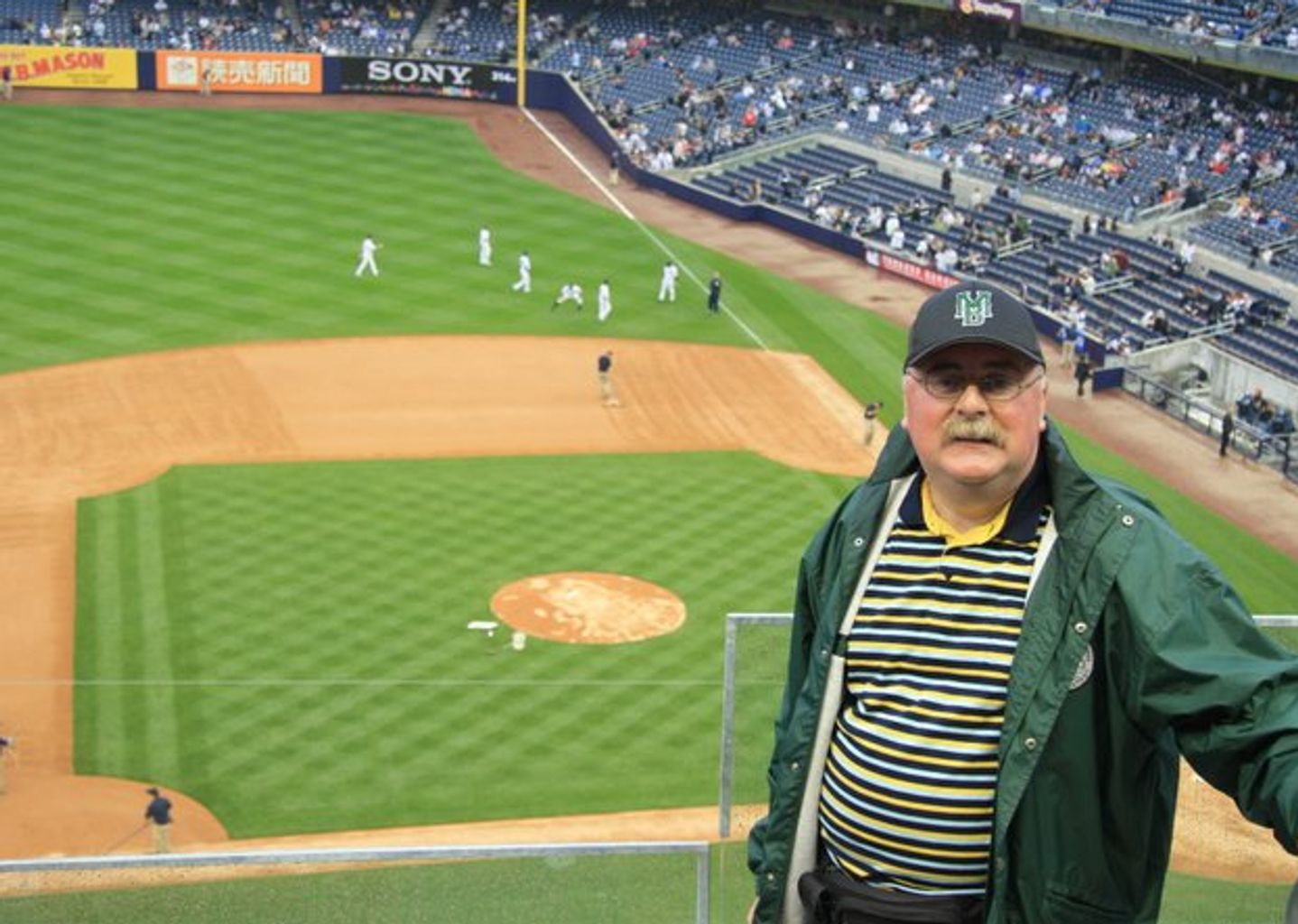
I discovered baseball in 1984 during a trip to Quebec. The game I attended left a lasting impression on me, and I fell in love with this sport and its unique characteristics, where everyone can find their place on the field, where individual expression is valued while serving the collective, and where something is always happening, whether the ball is in play or not and wherever it may be.
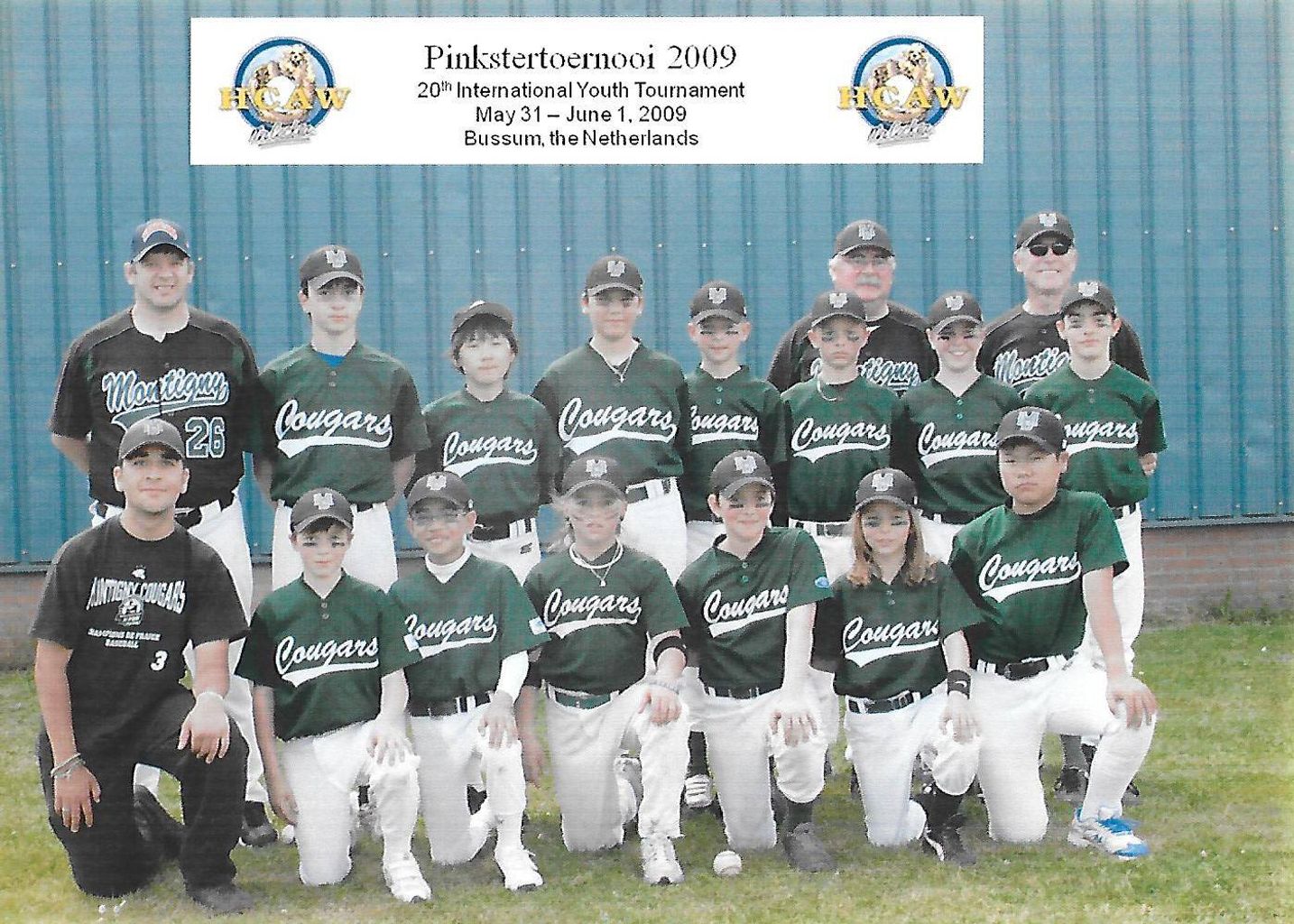
After moving to Montigny-le-Bretonneux in 1994, with my bat, glove, and ball from Quebec, I didn’t immediately join a club. I waited until my son chose the sport at the 2004 association forum to join the Cougars, where I took on various roles, including coach, official, and director.
Later, I took on roles at the Yvelines Departmental Committee, the Île-de-France League, and the Federation, notably as President of the Federal Youth Commission and then as General Secretary alongside President Seminet.
BTVF: In 2014, you took on the responsibility of the Federation’s secretariat. After 7 years of dedicated volunteer work, what are your thoughts on the work accomplished?
T.R.: Along with the leadership team in place, I worked to continue the reconstruction efforts that President Seminet had initiated after his election in 2010. The 2010s were fruitful for the Federation, which settled a historic debt while structuring itself, launching numerous development programs, and initiating many new initiatives, particularly in youth practice, training, communication, events, and international affairs.
Nothing is ever perfect, and we certainly couldn’t implement all the proposed projects, but I believe the numbers speak for themselves: a 50% increase in participants over the decade, a dynamic that currently results in the record number of licensed players set in 2021, over 200,000 euros of debt erased, a budget increasing to over 1.5 million euros, an expanded practice offering, particularly after the arrival of our new urban discipline, Baseball5, and a sport that still suffers from a lack of visibility but has gained credibility with both public and private partners.
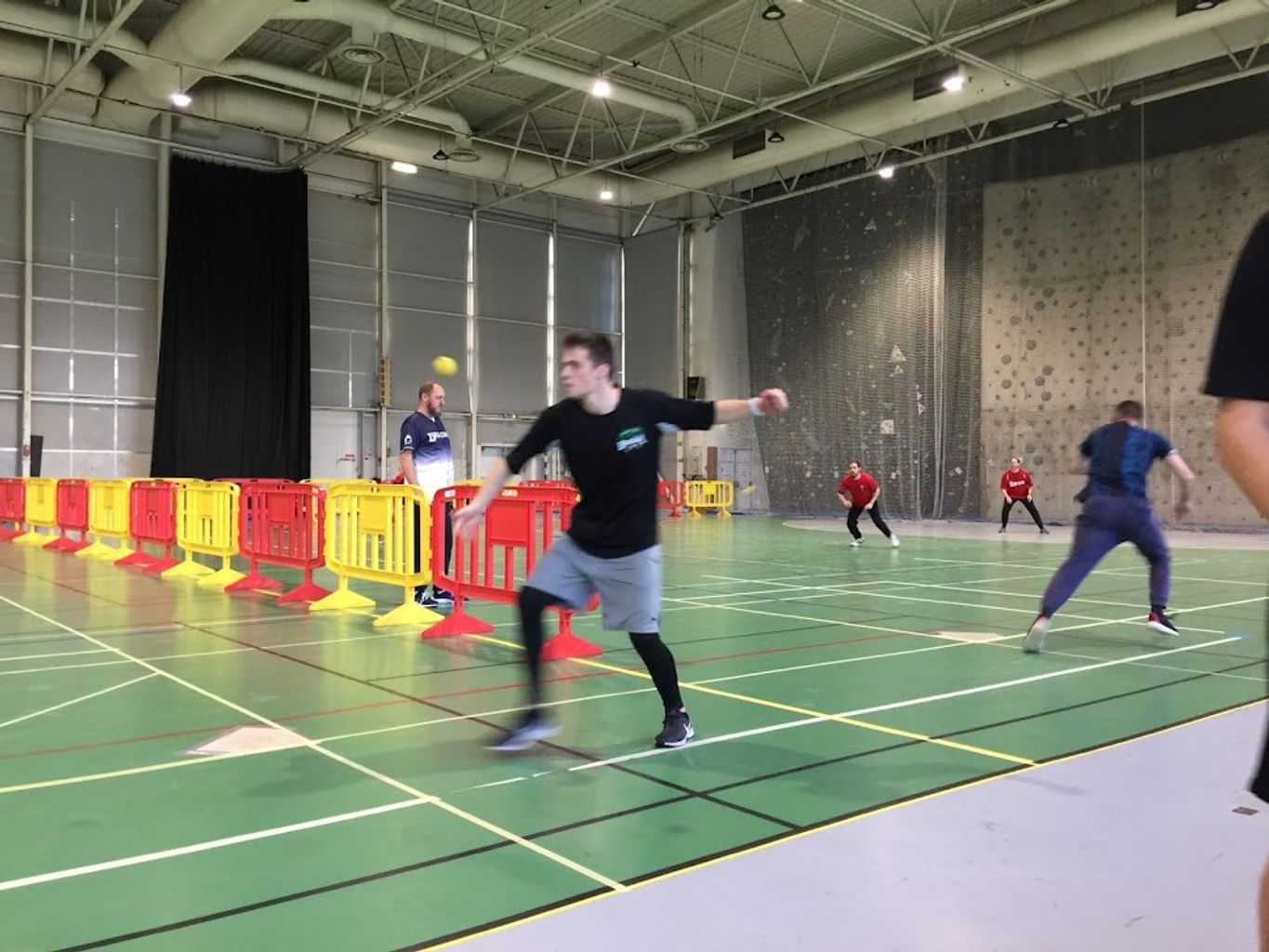
Guillaume Raphet, Son of…
I take this opportunity to congratulate Damien Guonie on his election as General Secretary. I am happy to pass the baton to him and have full confidence in his ability to fulfill this vital role for the Federation’s proper functioning.
I also want to highlight the work of the headquarters staff and the members of the National Technical Directorate, with whom I have been working for many years and without whom the Federation could not function. I thank them all and renew my trust in them. I look forward to continuing to count on these teams to successfully carry out my duties during this term.
BTVF: You have been very involved in junior championships and events in France. How do you envision the development of youth baseball?
T.R.: It’s no secret that I have been heavily involved in the development of youth baseball, both as a member and then President of the Federal Youth Commission, but also as the head of the French Baseball 12U and 15U teams for many years.
I believe that young people are the future of our sport, and they have been at the heart of my involvement and one of the Federation’s priorities over the past decade. A lot of work has been done on evolving rules and regulations, equipment, and competitive offerings to promote youth baseball, and the numbers speak for themselves with an overall increase in licensed players across different age categories, reflected in participation in regional and national events. We have almost reached 50% of licensed youth players in the Federation, and I hope we will soon cross this symbolic milestone, which was one of the goals set in early 2010.
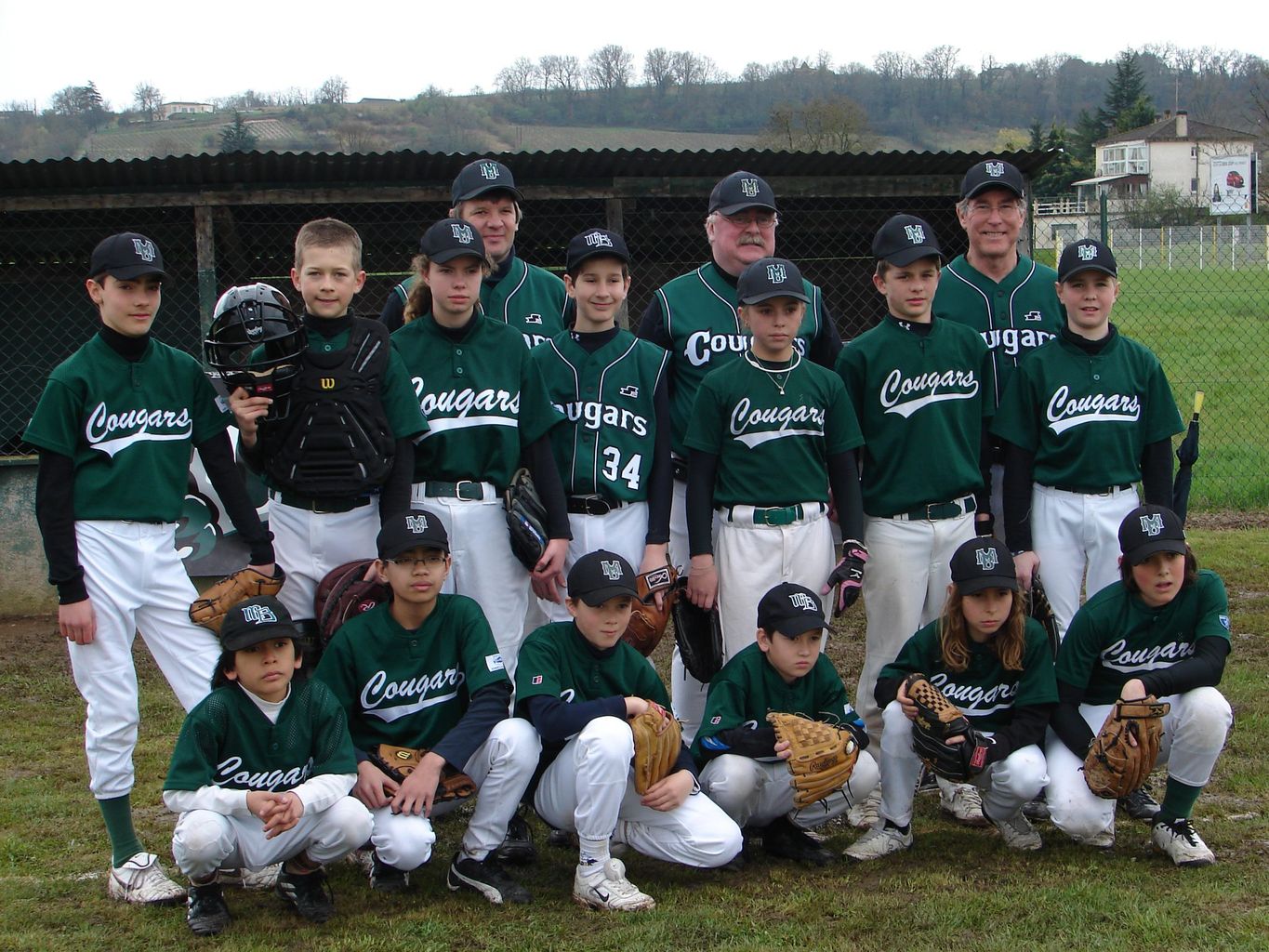
Beyond the sport, I also consider the club as a school of life for young people, a place of meeting, sharing, personal and collective growth. For all those who join our clubs, playing goes hand in hand with learning common values, a healthy lifestyle, and living together. Our goal is for them to flourish as athletes and as young citizens.
BTVF: In your speech as the new President, you mentioned two challenges: the erosion of volunteerism and the expectations of practitioners. Can you elaborate on your ambitions in these areas?
T.R.: I spoke about the expectations of practitioners, but the term ‘demands’ you used reflects part of this evolution, a certain consumerism in sports, the idea that a membership fee in a club equals a service without any kind of reciprocity, which is yet inscribed in the DNA of a sports association, that of participating in its functioning in a selfless manner. When you join a club, not everything becomes a given. It is normal to expect benefits, but they must be considered in an associative context and not in a clientelistic relationship.
Most clubs do not have employees and rely on the investment of passionate volunteers, who are unfortunately becoming fewer and fewer. Sometimes, their proper functioning or even their survival is at stake. It’s quite paradoxical because most of our licensed players are passionate and would be at a loss if, overnight, they could no longer play due to a lack of officials to referee or score the matches, coach the sections, or directors to manage the provision of equipment and the search for public and private funding, among other things.
If the Federation is a driving force in providing tools that facilitate daily management, particularly through the various partnerships signed as part of the MVP Club and in the support, training, and assistance offered to directors and officials, it is clear that everything always starts with an associative project at the local level. The clubs that develop are those that succeed in uniting and rallying around a common project, those where people consider themselves as belonging to a family, a community.
In this area, our ambition is to continue helping clubs to perpetuate their functioning, to enhance the associative model among our practitioners, and to find a balance between service and consumerism.
Regarding expectations on the sporting level, we will continue, as we have done so far, to be vigilant about the evolution of societal trends and to respond to the new expectations of practitioners. From a historically ‘purely competitive’ practice, a ‘competitive leisure’ practice is emerging today, demanding more flexibility, as well as other practices such as leisure or health sports, or more recently eSports. We need to find how to respond to these evolutions, drawing on the complementarity of our different disciplines, in order to satisfy all members of the baseball and softball community.
BTVF: Sports calendars are becoming increasingly packed across all disciplines: Baseball, Softball, Baseball5, and Cricket. What hopes and strategies do you have in terms of the notoriety of these sports in France?
T.R.: We are a little-known sport in France, evolving in a very competitive environment alongside culturally established disciplines with incomparable resources. We have naturally progressed in notoriety through all the actions taken in recent years, and our main shortcoming is a lack of visibility. While everyone knows that baseball and softball won’t replace football in France, we have a certain margin for progress in terms of media coverage of our sport.
It’s quite frustrating to often hear that people like our sport when they discover it (the decrease in licensed player turnover at the Federation illustrates this in part), while our difficulty lies precisely in our ability, as a federation and clubs, to make it known that baseball and softball exist in France.
Our initial efforts focused on, on one hand, the overhaul of the Federation’s visual identity, the creation of a modern internal website, and the implementation of photographic coverage of our activities, and on the other hand, as you point out, on the implementation of an event strategy (including the creation of new competitions) which, beyond being a means of improving infrastructure, is an excellent way to attract the attention of the media and the general public. During the pandemic, we launched a major communication campaign ‘take the game challenge!’ and offered kits to clubs, an initiative that they embraced and which allowed us to register a record number of new arrivals in our associations.
We have also relied on ambassadors of our sports, such as Mélissa Mayeux or Andy Paz, whose life and athletic journeys are inspiring and highlight our disciplines, as well as all the actions carried out by the clubs and the sporting results when they are there, like the European titles in Women’s Baseball and Baseball5, to raise the voice of our sport in France.
All these initiatives, carried out locally and nationally by the clubs and the Federation, have helped improve the notoriety of our sport in the territory.
Regarding the image, central in today’s society, we have supported initiatives carried out by the clubs on the capture and broadcasting of their matches and have signed a partnership with SwishLive so that everyone can, at a minimum, offer content to their fans via a simple solution for broadcasting. Inspired by successful initiatives like those of the Templiers de Sénart or the Boucaniers de La Rochelle, more and more clubs understand the importance of communication and project themselves on the promotion of their activities through capture.

We need to transition, in a way, from know-how to making it known, and the broadcasting of our matches, live or in a condensed format perhaps more suitable for the general public, will be one of the challenges of the coming years. It will also require, beyond the question of financial and human resources, a fundamental reflection on the sporting product itself. A 2-hour match broadcast on a Saturday afternoon would certainly attract more fans and newcomers than a 3.5-hour match on a Sunday morning, so we cannot avoid a reflection on which formats are most suitable for showcasing our disciplines.
BTVF: What can we wish for you?
T.R.: I wish us all a return to a certain form of normality in the organization of our activities so that we can project ourselves serenely towards the future and continue to develop our sport.
Interview conducted by Didier Cannioux
2 comments
-

Ancien membre
-

Ancien membre
See the 2 commentsPoste largement mérité au vu de tout ce que vous avez déjà fait pour le Baseball en France
Merci Monsieur Raphet de prendre le flambeau
Community rules
Loading rules…