 ROU
ROU
 SAV
SAV
 PES
PES
 PHA
PHA
 REN
REN
 NAB
NAB
 COM
COM
 COL
COL
Specialist or Versatile?

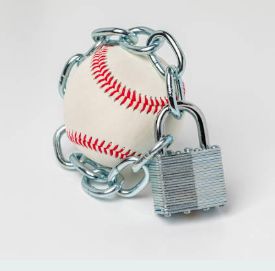
Bat-and-ball sports are naturally versatile. Catching, throwing, and hitting the ball are completely different actions. A unique physique and mindset can be tailored to each. With young players, coaches try to identify what will be best received, anticipated, and executed. The beginning of specialization starts: you’ll be a pitcher, you’ll be a catcher, you’ll be first base, you’ll be the cleanup hitter…

To reach Major League Baseball, the competition is so fierce in the minors that players arrive with hyper-specialization. They train solely for that action and push that skill to its limits to make their mark. However, as in all teams, sometimes multiple players compete for the same position. Occasionally, players switch roles to keep playing. The recent emergence of baseball prodigy Mookie Betts as a shortstop shows he excelled in right field in recent years, but his true position is shortstop.
The ever-changing rules of baseball over the past thirty years also push towards hyper-specialization. The designated hitter, commonly called the DH, is a hitter. They replace the pitcher in the lineup, who long ago gave up hitting in competition. Each has their role, and the pitcher and power hitter train their specific skills. Recently, there’s also talk of the DR (designated runner), a type of pitch runner who can sprint between bases, which are wider this year. A power hitter and a runner are two roles that may not be compatible. Yet, for the leadoff hitter (the first in the lineup), you can combine both with a hit and a secure first base. Among pitchers, we already distinguish starters, aces, seventh-inning relievers, eighth-inning relievers, and even extra-inning relievers. Specialization within specialization multiplies endlessly.
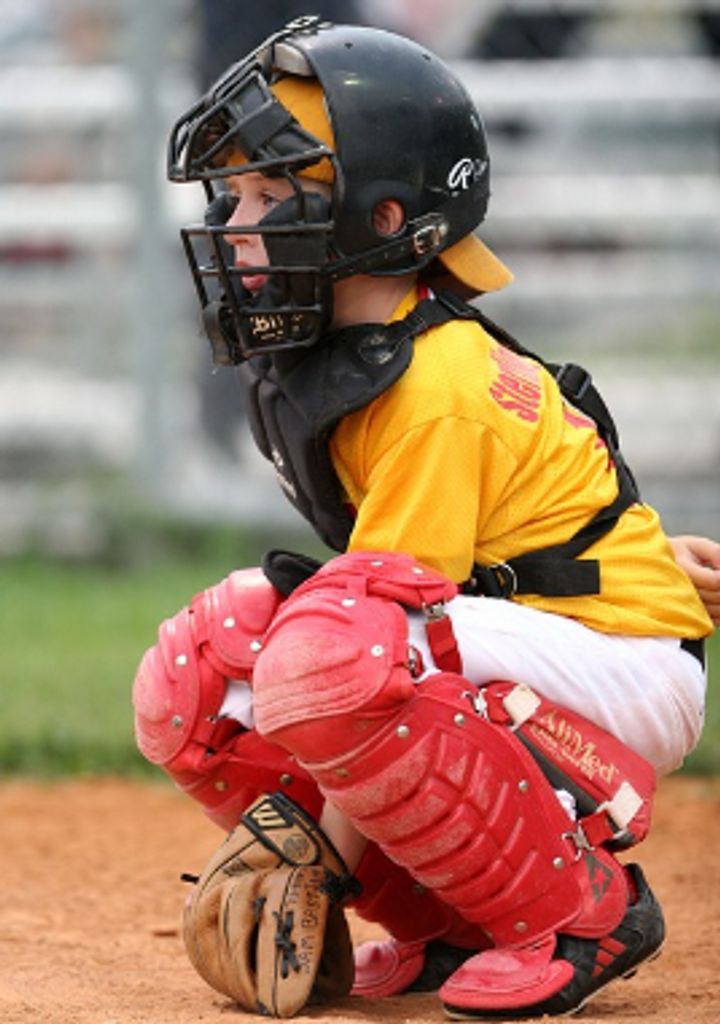
When you have a large player pool, you feel more comfortable placing each specialist in their role. But this risks giving opposing teams certainty about the players they can expect and analyze. And when injuries or days off hit multiple players, specialization becomes a handicap to fill the right spots.
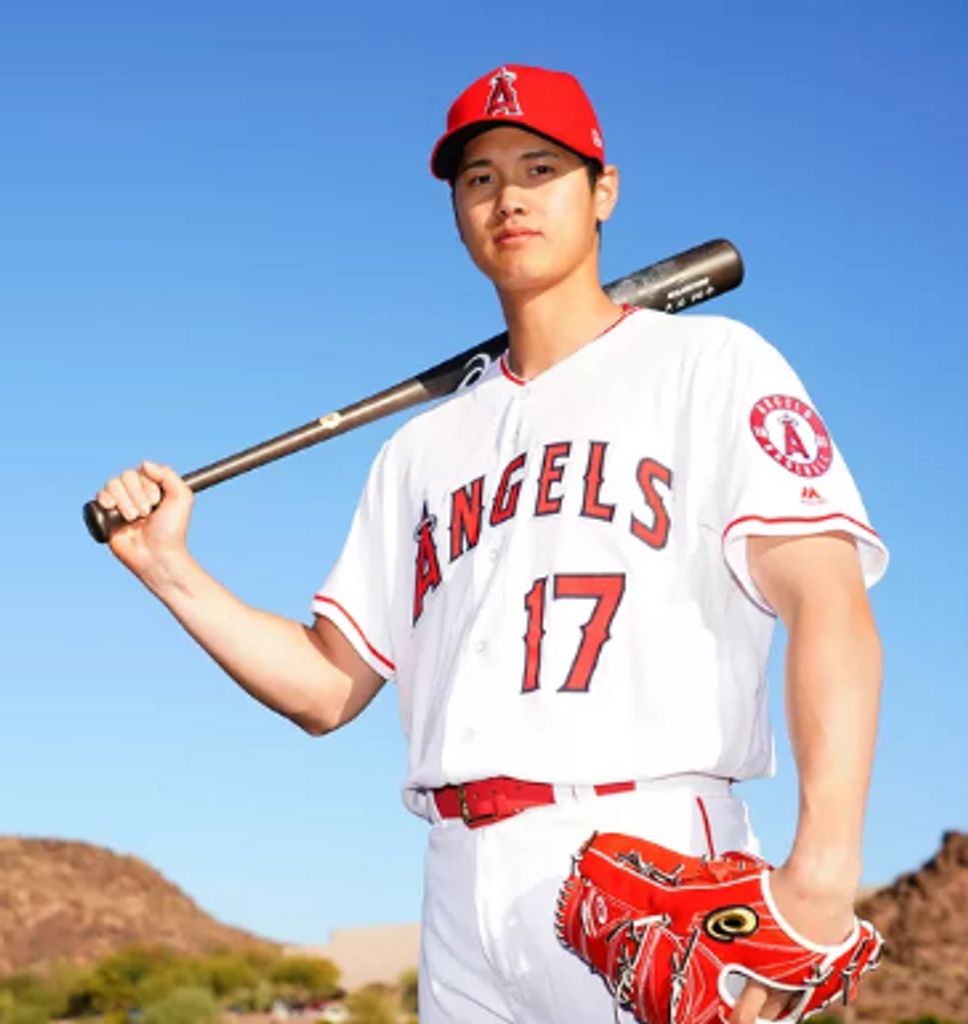
What about a player like Ohtani, who dazzles the baseball world with his talent in two very different roles: ace and power hitter? He proves that talent can’t be confined to specialization and that versatility is a superior strength. But he’s one of the few who can hold that rank. Worldwide baseball, even in France, has retreated into extreme specialization. Yet, the solution lies in openness to multi-specialization, a saving grace for future generations. Limiting oneself to a role inevitably creates blinders that can hinder high-level evolution. It’s better to train versatile specialists, as the opposite isn’t possible. A team’s collective, backed by the personal mindset of multi-specialist players, are assets for the coach and fuel winning in all circumstances. Sometimes, we see fielders take the mound due to a lack of available pitchers, and it’s often a disaster (you have to finish the game, and thank the mercy rule for ending the nightmare of a humiliating defeat). And sometimes, we’re surprised to discover a hidden talent who was never really given a chance.
The lesson here is that humans adapt well to multi-specialization and naturally tend towards versatility to develop better. So, let’s try in France not to follow these American rules that advocate for stifling hyper-specialization.


3 comments
-

Ancien membre
-

Ancien membre
-

Ancien membre
See the 3 commentsArrêtons de comparer et essayons de comprendre. Le chemin de la France vers la MLB ne se résume pas par un passage en pôle, les meilleurs player US sont détectés vers 6-9 ans, signé dès les high-school. Continuons de faire rêver nos jeunes pôlistes et leurs parents qui n’ont aucune connaissance du modèle US.
Déjà s’ils arrivent en D1 NCAA c’est le meilleur que l’on puisse leur souhaiter, enfin s’ils y arrivent…
L hyperspecialisation est l apanage du très haut niveau pour un sport unique en pro. A côté de ça, les US sont au contraire spécialisées dans la polyvalentce et la complémentarité des sports au sens large du terme. Il n est pas rare qu athlète universitaire soit bon dans plusieurs disciplines, ce qui est bon pour son développement global. La ou en France nous sommes trop exclusif Sportivement parlant car les sports sont en concurrence durant toute l année.
Les championnats régionaux sont parfaits pour ça , tout le monde doit savoir jouer partout ! 😅
Community rules
Loading rules…