 PES
PES
 PHA
PHA
 SAV
SAV
 ROU
ROU
 REN
REN
 NAB
NAB
 COM
COM
 COL
COL
Pauline Prade

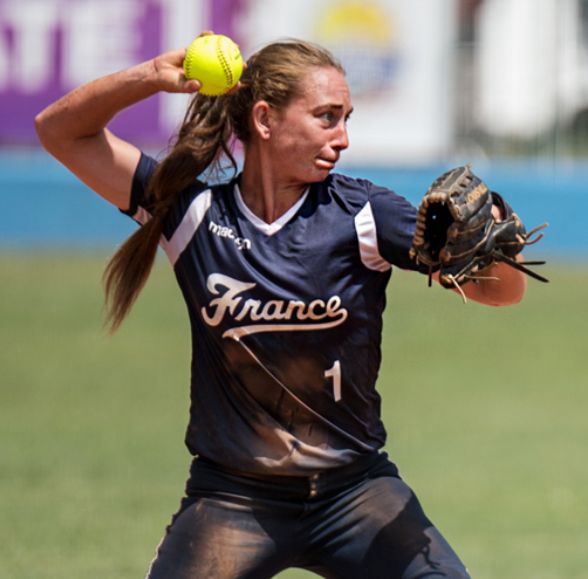
French softball boasts players who shine as beacons for rising generations. National team member, French champion, and coach for multiple teams, Pauline Prade excels in every role. Baseball TV France sat down with Pauline Prade.
BTVF: Who are you, Pauline Prade?
A lifelong athlete and softball player since 2008. I started with the French Cubs of Chartres, the only nearby club, which introduced me to this unique sport. I then joined the Pôle France in Saint-Raphaël in 2009, balancing my athletic career with my academic and university studies.
In 2013, I joined the Comanches in Toulon for my first European Cup, leaving the club only once to play a season in the Dutch First Division in 2016, preparing for that year’s World Championship. I later left the program to launch my professional career alongside my athletic pursuits.
Since 2008, I’ve had the fortune to meet numerous coaches and players from all backgrounds who have shaped me into the player I am today. I am eternally grateful to those who took the time to teach, listen, guide, and help me grow as both a player and a person, allowing me to experience the most incredible moments a sportsperson can have!
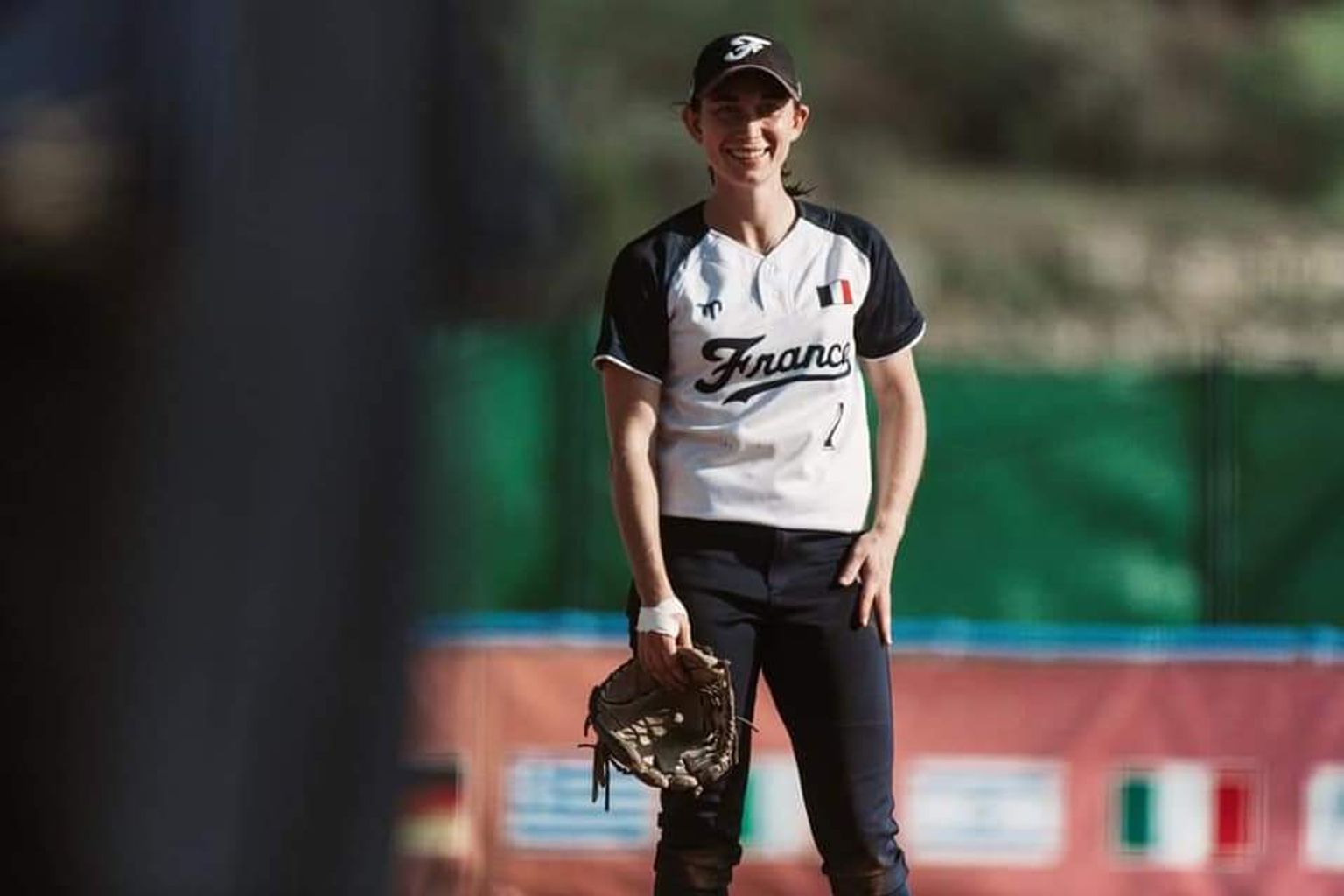
BTVF: Women’s softball is gaining momentum, and the Super League adds a new competitive edge. How do you view this competition and its unique features?
The Super League concept is innovative and delivered on its promises. After participating in the first two weekends, I can confirm it’s a groundbreaking format. It allows us to play with different teammates and face familiar rivals with real stakes. We set aside the national team and club labels to compete with a new team each weekend.
The individual aspect of our sport is highlighted, but the points system shows that no single player can win alone—team performance is crucial.
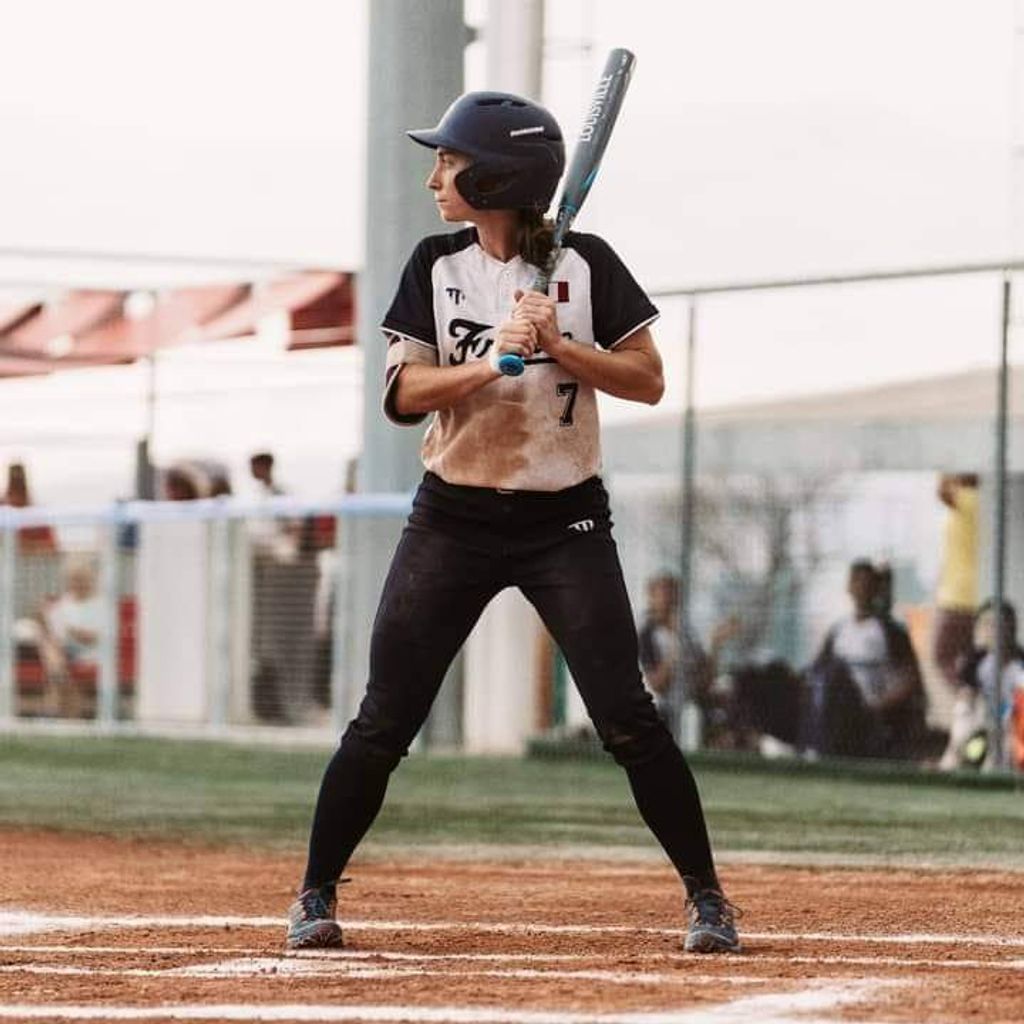
BTVF: You’re now coaching a men’s softball team. How does that differ from coaching women’s teams?
For the 2023 season, I’m stepping into coaching for the men’s team at the Comanches of Saint-Raphaël, though I had some reservations.
I’ve never coached a women’s team, but the management and dynamics are quite different. I find it easier to have frank discussions with the players without tiptoeing around issues!
Coaching offers a new perspective on the game, a must-do experience to understand a coach’s feelings and responsibilities. It’s another fascinating side of our sport. My playing experience helps me relate to the players’ situations, allowing me to share insights from my own perspective.
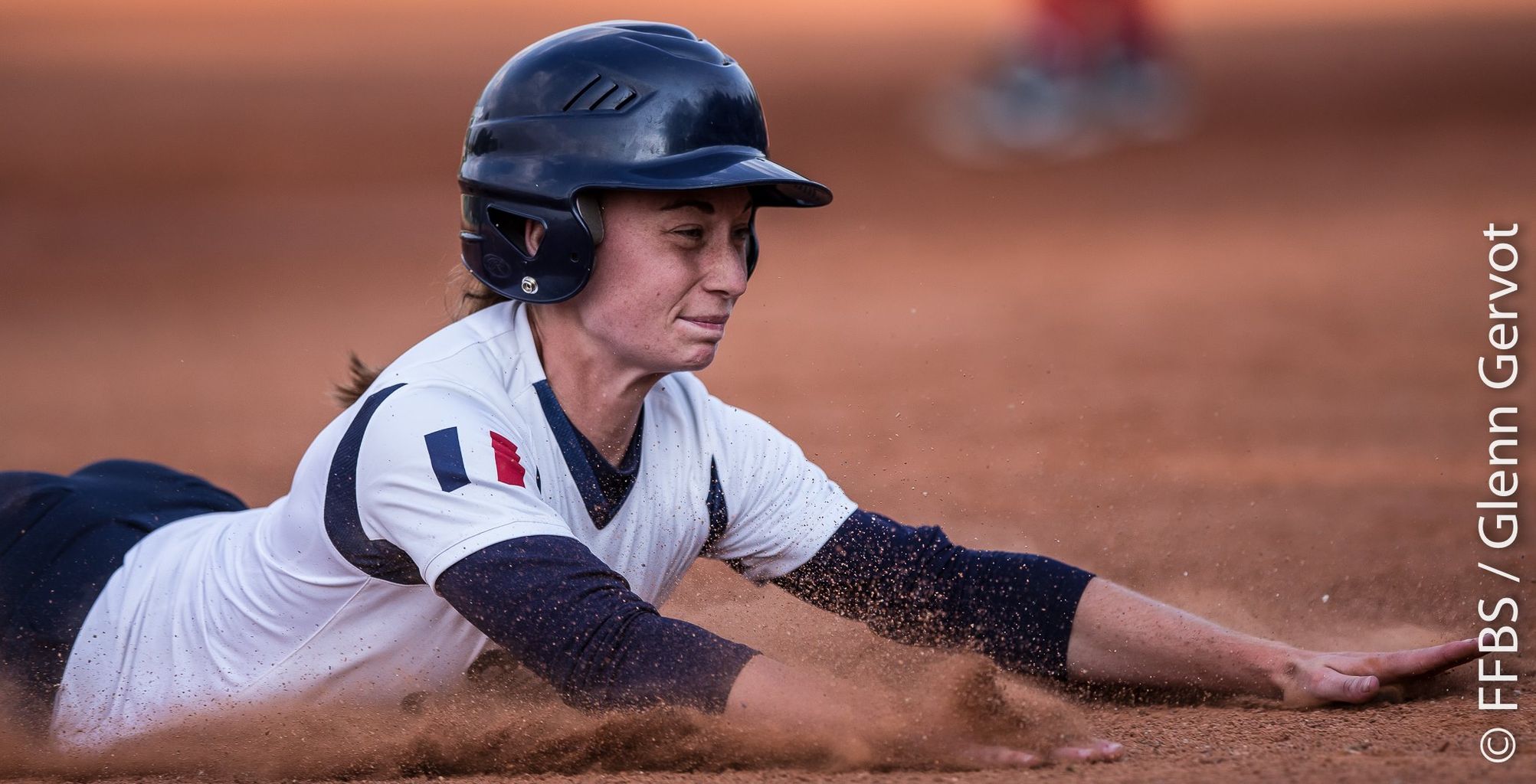
BTVF: The French national team has big goals for the coming years. Having shared many high-level moments with them, what areas do you see for improvement to boost future performance?
I’ve been fortunate to experience several European competitions, from youth teams in 2010 to the senior European Championship in 2022. We’ve come a long way, but there’s still ground to cover to compete with the top teams. Human and financial resources have increased in recent years, culminating in 2019 when we joined Europe’s top six and qualified for the Olympic Qualification Tournament—a well-deserved reward for the players, coaches, and federation.
For years, players who’ve completed their baccalaureate have studied in the U.S. on scholarships, playing far more games at a higher level. These players arrive at international competitions well-prepared, significantly benefiting the national team.
However, despite growth, our resources are still limited compared to other European teams that invest more heavily. We’re doing our best, but it’s not enough to aim for a top six or even top four finish.
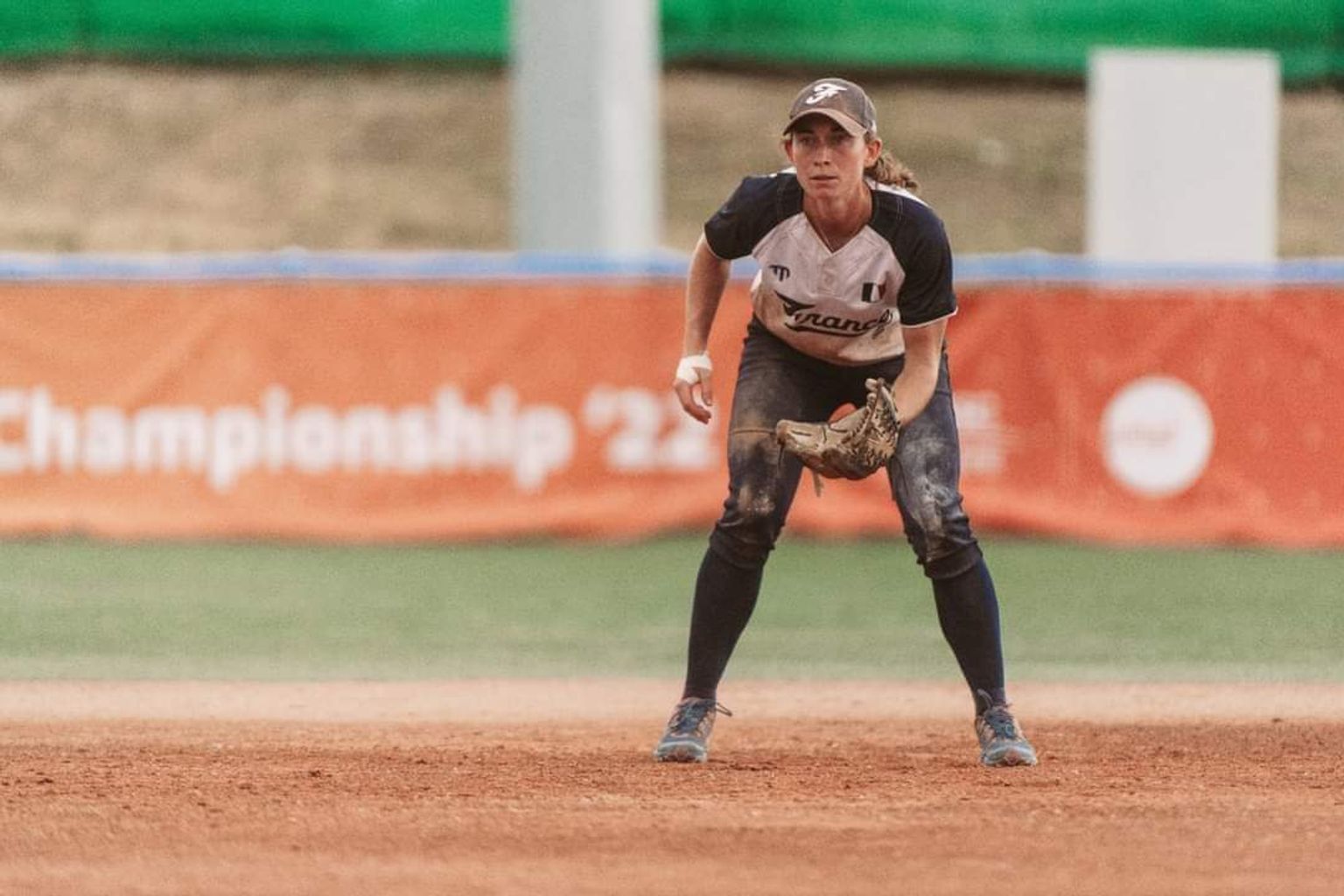
BTVF: What do you wish for?
Success for our two teams in the first division and, above all, the physical fitness to see the season through to a successful conclusion!
React to this article
Community rules
Loading rules…