PES
PES
 PHA
PHA
 SAV
SAV
 ROU
ROU
 REN
REN
 NAB
NAB
 COM
COM
 COL
COL
J.C. Delisle

BTVF: Who are you, Jean-Christophe Delisle?
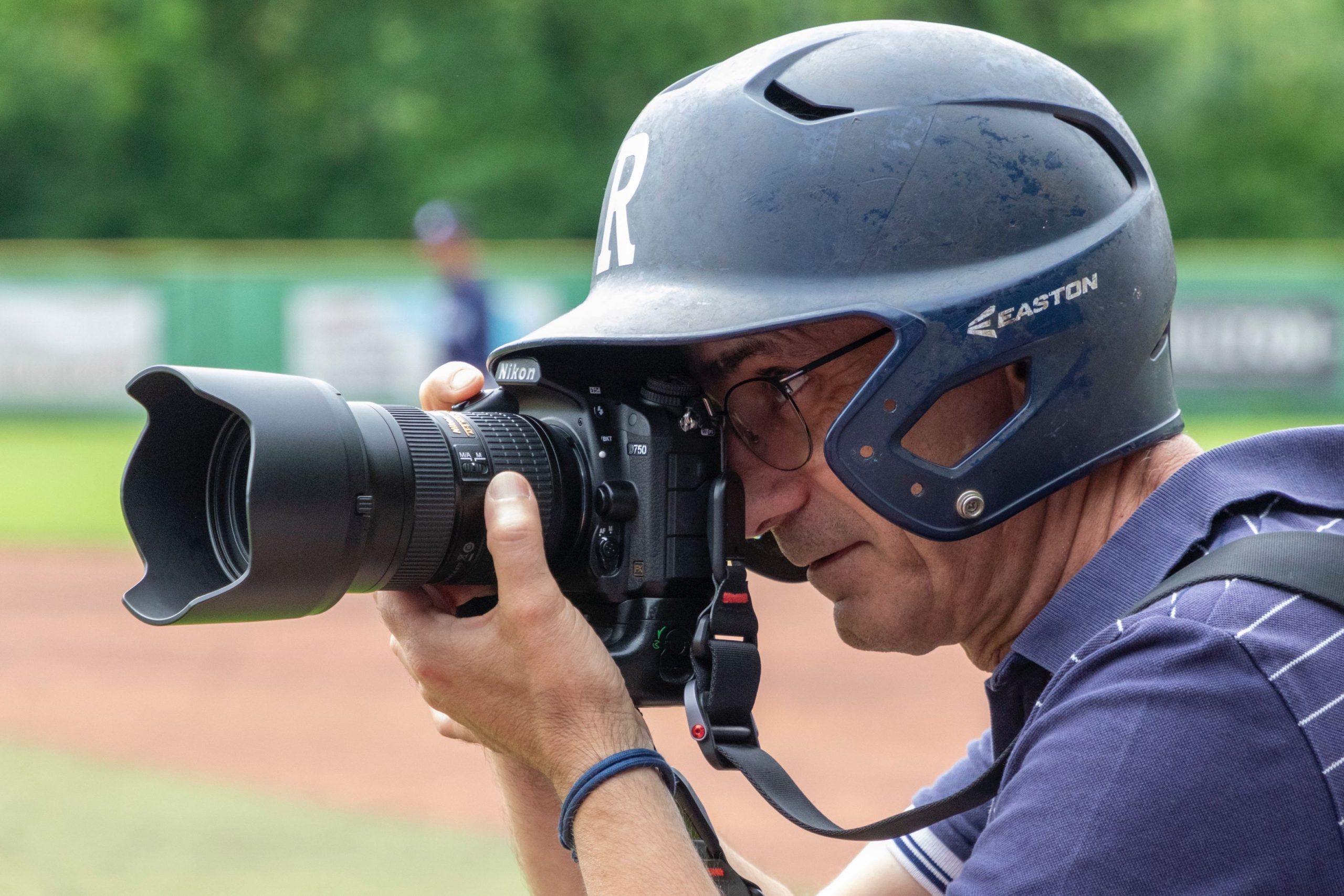
J.C.D: I was born in 1966 in Rouen. I grew up in a darkroom with my older brother, who is also a photographer. I earned my CAP in photography and lab work in 1988, aiming to work independently at the time. I had two professional activities upfront: hospitality and photography. Not easy, you might say? Well, yes… I put professional photography on hold when digital came out, having lost a large part of my professional clientele, which was advertising agencies. I continued studio portraits, which I enjoy the most. My professional and personal life led me to settle in France, as well as in Canada and Ukraine, where I participated as a photographer in several humanitarian missions in the frontline zone in Bombas from 2014 to 2019. Baseball: I have been on the board of directors of the Rouen Huskies since 2017 and am a partner for the club’s photography.
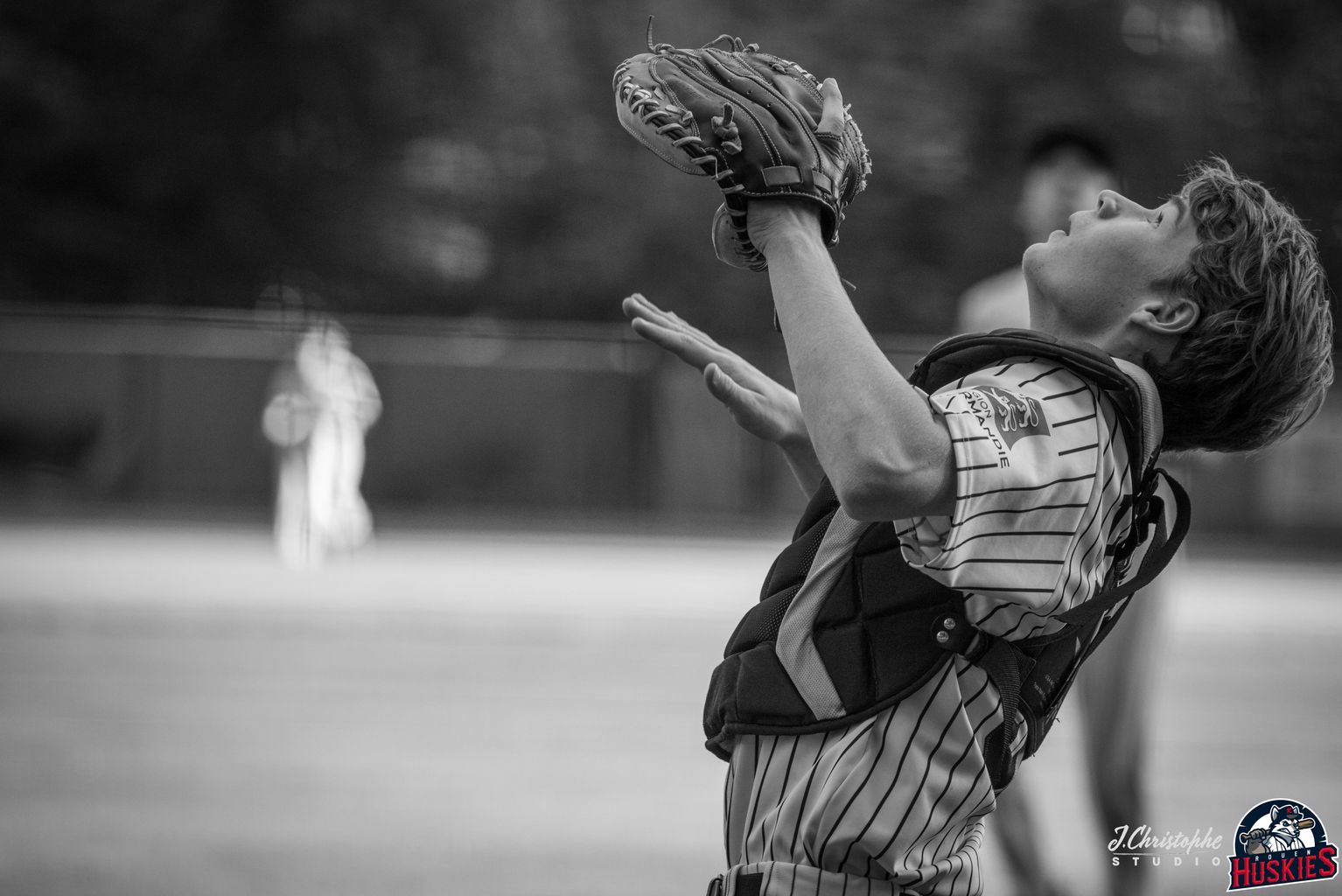
BTVF: Black and white is your mantra in photography. How do you explain that?
J.C.D: It’s my mantra for studio portraits; for sports for promotional purposes, it’s not always easy.
It’s a love story… and a story of taste, but also a story of magic: when I worked in the lab, the joy of seeing your image appear little by little in the trays, the precision needed in exposure calculations…. Not like today where you can easily salvage a mediocre photo.
I find that black and white alone has the ability to enhance lights, shadows, and highlight the expressions and emotions we want to emphasize. Contrasts stand out or are softened depending on the photographer’s or model’s desires. In color, there is no in-between, but the spectrum from white to black is immense. For me, color is a parasite to emotion.
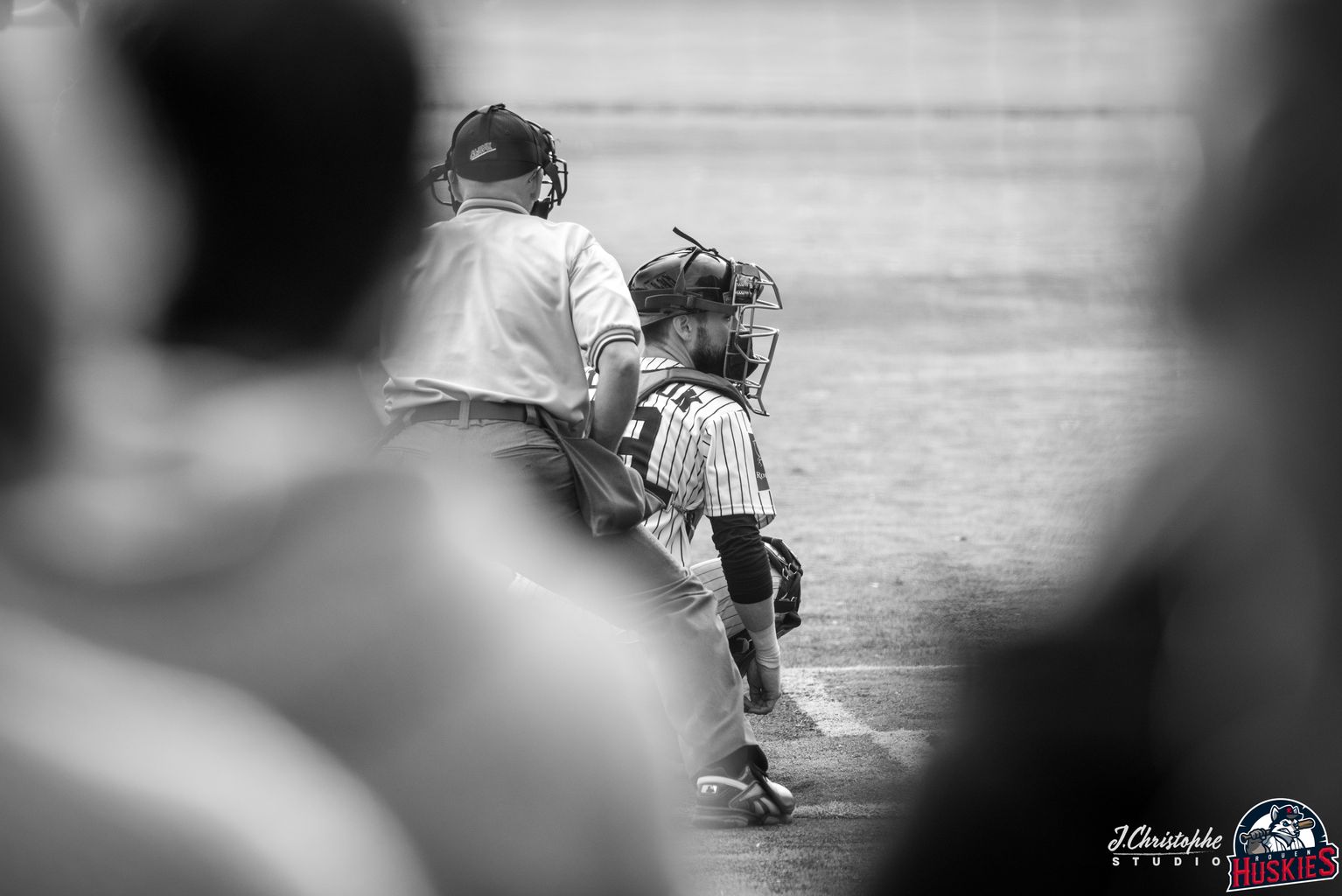
BTVF: The advent of digital has disrupted your shooting and developing habits. How do you feel about it?
J.C.D: At first, I was disgusted because when it came out, digital made me lose my main clients. So, I persevered with portraits and dropped compositional photography for advertising (replaced by digital image banks). And there was little time before I was properly equipped with professional Nikon gear, but still film. Few pros at the time saw this revolution coming, at least not at this speed. So, it took me a while (quite a long time) to switch to digital and equip myself with a complete range. For shooting, it’s definitely cooler because there are no restrictions on the number of shots. When you have to eat up 36-exposure film rolls, it makes you think, lol. The transition also involved computer equipment and training on new software, but in terms of sustainability, it’s still much cleaner than the chemical baths we used before. I continue to work on good preparation for shooting, so without keeping my finger stuck on the shutter.
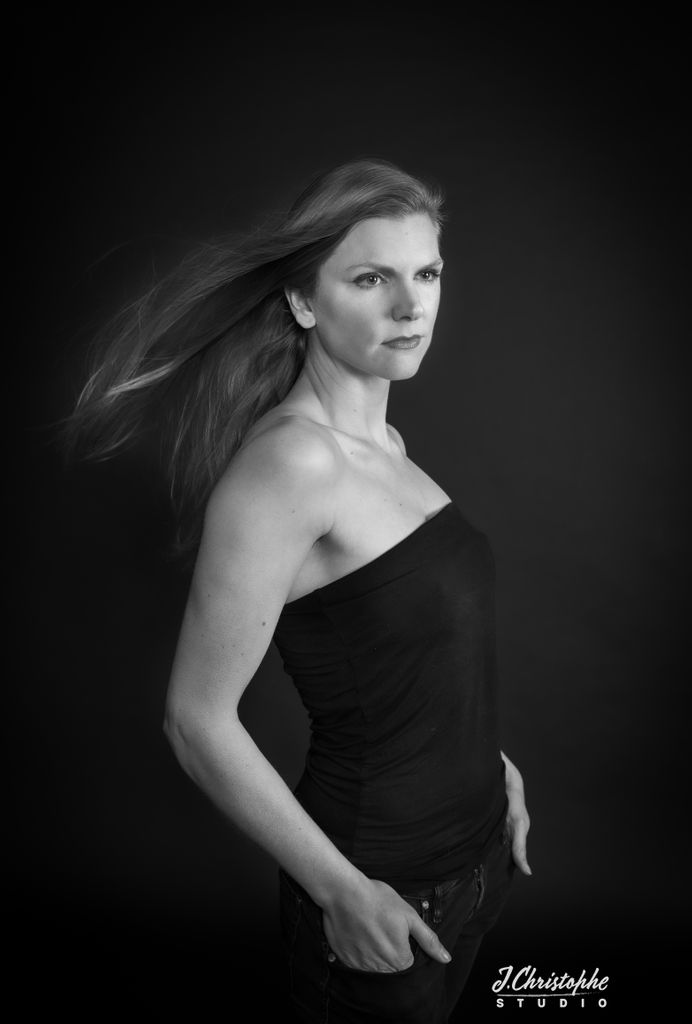
BTVF: Specializing in portraits, you love photographing people. How do you define the photo that will make the difference?
J.C.D: It’s quite complex and sometimes simple! There’s the one you feel right away when shooting. You know it will be good when you press the shutter, the light, the expression, the shadows, the gaze or not… many parameters. Which implies that when there’s no ‘love at first sight,’ there’s a step-by-step process, by elimination, first technical failures, flash not firing, closed eye… then a first selection, the ones you want to work on, then a second where I put myself in my client’s shoes to see what they’re looking for, then another where I select the ones that speak to me, and yes when they speak to me I see images and when I see a photo it speaks to me or not. This happens over several days. I never decide on the final choice at first glance. You often find gems a few days later. You also have to know how to meet the model’s expectations, what they want and are looking for, which implies a good conversation before the shoot.
As for sports; there’s still a good part of luck, having the right lens on the right action… the one that will make the difference will be the one that reminds the viewer of the emotion they felt in that action.
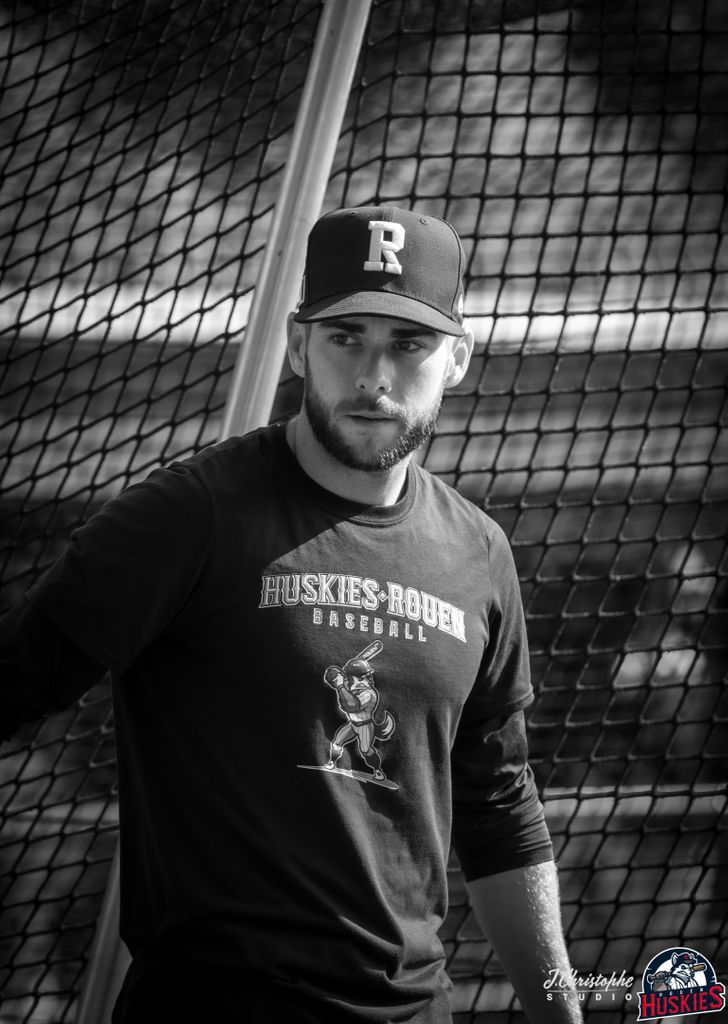
BTVF: Baseball has entered your universe, and you faithfully follow the Rouen Huskies teams. How do you approach the specifics of sports photography, particularly in baseball?
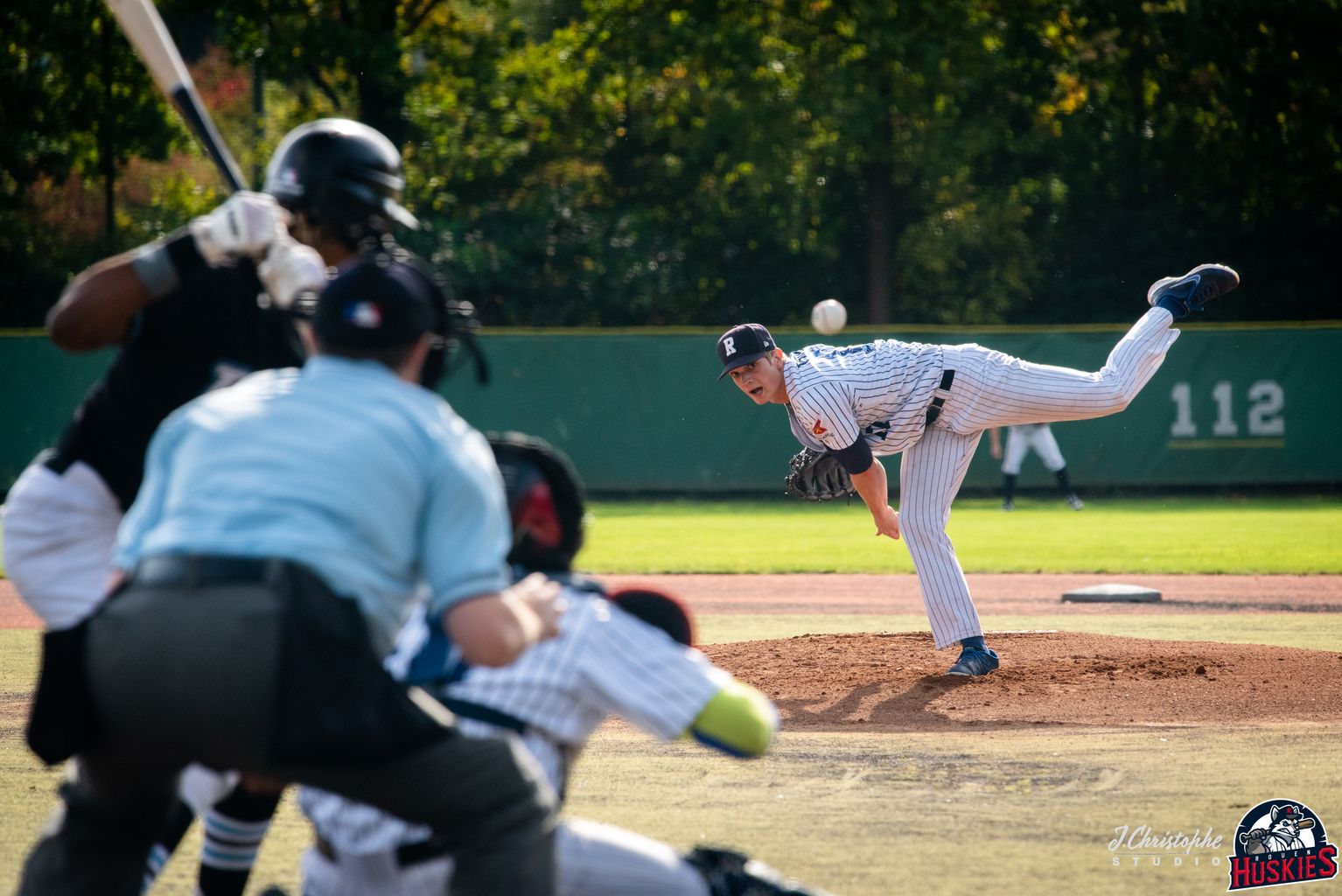
J.C.D: Yes, I returned to baseball as soon as I came back to Rouen when I saw that many former players were still there in management, including the Rolland brothers. I then got involved in the board of directors and of course in photography as a partner for the club, for communications, official photos… but with specific studio equipment not always easy to use. So, I equipped myself according to the specific needs for match photography. My knowledge of the game has of course helped me anticipate possible phases of play, but it’s not always a sure thing. The lens is not always in the right place at the right time of the action. Working in live action is not a problem for me, as I haven’t always worked only in the studio, and live reporting is very exciting with the uncertainty of the right moment. It’s adrenaline-pumping.
BTVF: What can we wish for you?
J.C.D: Keep the good eye
Have a great baseball season and a beautiful European Cup in Rouen. Continue to enjoy working, and may we no longer need you in conflict zones… may photography be there only for the beauty of the game, of life, of people, and not for human stupidity.
Interview by Didier Cannioux