 PES
PES
 PHA
PHA
 SAV
SAV
 ROU
ROU
 REN
REN
 NAB
NAB
 COM
COM
 COL
COL
Alexandre Bertin


He’s French and a new novelist. Baseball TV France met Alexandre Bertin on the occasion of the release of his first baseball novel, Tenth Inning, out this Friday, October 21, 2022, in all good bookstores.
BTVF: Who are you, Alexandre Bertin?
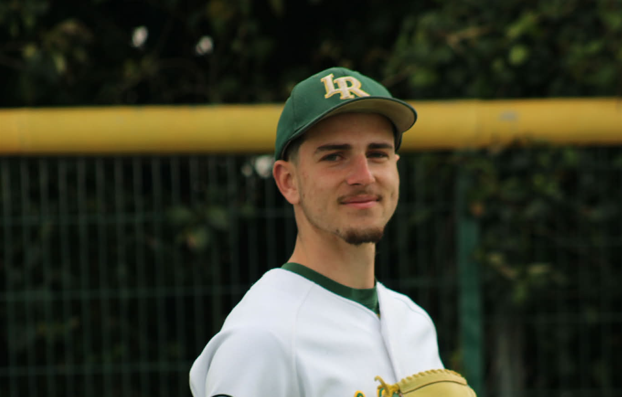
A.B.: Hello Didier and thanks for the invitation. I’m Alexandre Bertin, I live and work near Bordeaux with my wife and two daughters. I play baseball at a very low level (R3) for the Pessac Panthers. We’ve just won the regional championship and should play in R2 next year. Tenth Inning, an American Story is my first novel.
BTVF: Between the idea of a novel, its writing, its editing, and its publication, more than 28 months have passed. What was the most challenging and the most exhilarating part for you?
A.B.: Writing the first draft was really exhilarating. As it’s my first novel, I dove into writing without preconceptions, without pressure. I knew the story I wanted to tell in broad strokes, I knew the ending. What I didn’t know, however, was the path I was about to take to get there. I love comparing writing to hiking: you know where you’re starting from, you know where you’re going, but the journey always has its share of surprises and unexpected twists. That’s probably the most exhilarating part of the project.
On the other hand, the most challenging part is perhaps the waiting between the different phases of the project once the contract with the publishing house is signed. The pace of publishing isn’t the same as that of the writer. The changes in rhythm between waiting and pressure can sometimes get to my nerves, me who is naturally impatient. But I tip my hat to my editors, Danielle Mazens and Jean-Philippe Vest, for the incredible work they did on this manuscript.
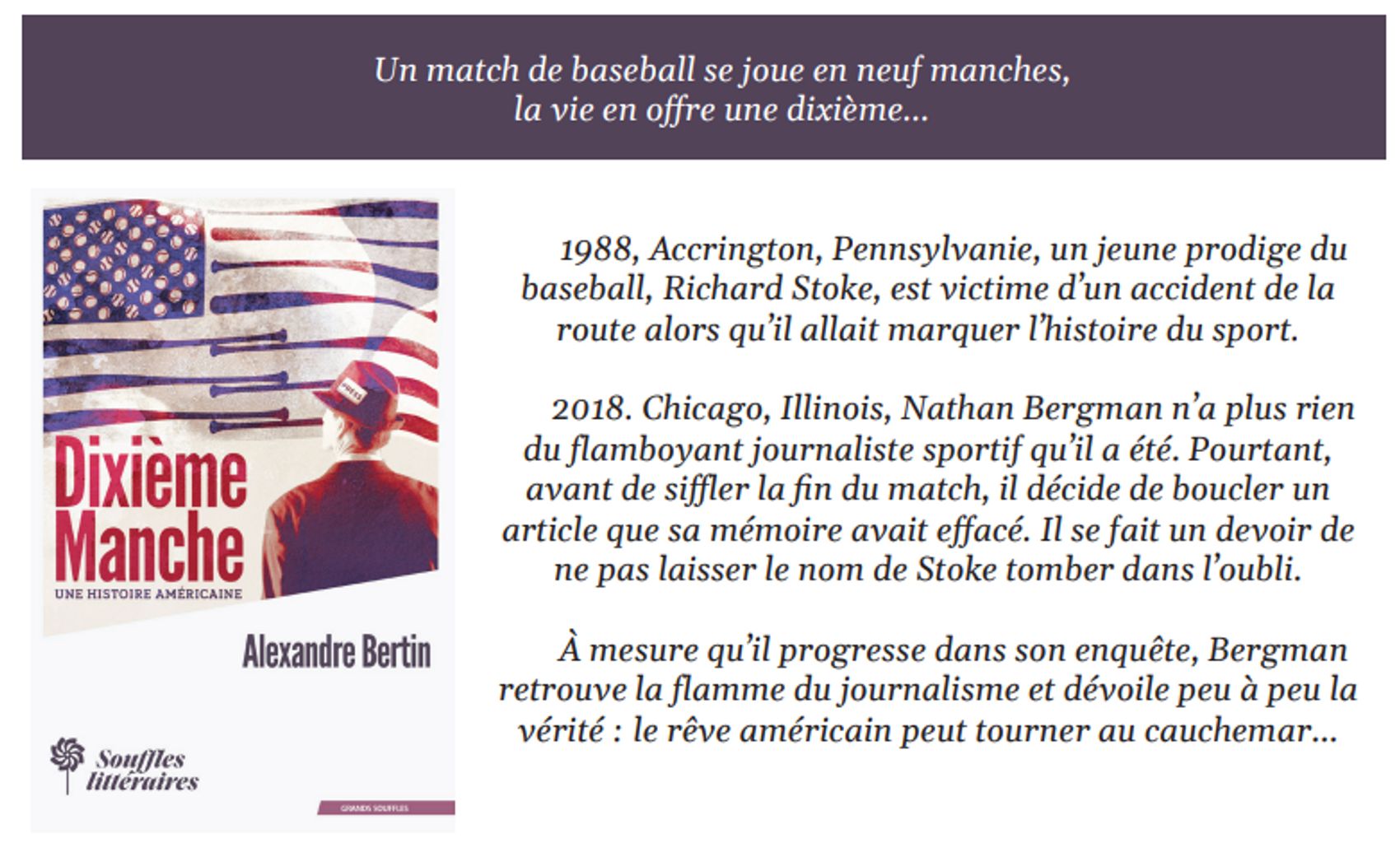
BTVF: Your first novel comes out on October 21, set in the world of baseball. Why did you choose this sport?
A.B.: I discovered baseball four or five years ago out of boredom with other American sports. I knew about baseball, of course, but it seemed so complicated to me that I had never paid much attention to it. And then, one day, I gave it a try and since then it’s become a real passion. What I liked, beyond the sport itself, is all the imagery it evokes. It’s no coincidence that in the collective unconscious, baseball is associated with the American Way of Life. Don’t we talk about a National Pastime more than a sport? And then, I also discovered a community of passionate fans who welcomed me with fervor and without any animosity. Whether it’s my teammates and the coaching staff of the Pessac Panthers or my fellow baseball fans on Twitter, they are all driven by a communicative and benevolent passion.

BTVF: The book’s summary tells us that a type of pitch is at the heart of the plot: the butterfly ball that rises, can you explain why you chose this type of pitch?
A.B.: When I started building my story, working on my plot and my characters, I immediately wanted Richard Stoke, the young baseball player who is the red thread of the novel, to make an impression. The minds of the readers, of course, but also those of the people who had crossed his path during his rise. He had to be given a gesture that would make people talk about him. I quickly made Richard a pitcher, much more conducive to dramatization than a batter. Moreover, among all possible pitches, the knuckleball or butterfly ball is the one that fascinates me the most. Being able to throw a ball without the slightest rotation is a feat that only a few players have mastered in the history of baseball. In the 1980s, the era when Richard Stoke played, there were hardly any players left who threw butterfly balls: a too risky pitch, a gesture that caused too many injuries, only players at the end of their careers allowed themselves to make this gesture. I knew that by giving Richard this pitch and making it his trademark, he would arouse curiosity, enthusiasm, but also acrimony from his detractors. The ideal pitch to write a novel!

BTVF: By setting the action in the USA, you must have done a lot of documentation work. How did you go about it?
A.B.: Of course, when you set your action in a foreign country, especially centering the plot on several eras, you had to do a lot of documentation work. The first thing was to invent the places where the action took place. Accrington, the scene of the drama, is an imaginary town, as is Beltonville. I didn’t want to use places I didn’t know. For the passages on the history of baseball, indeed, I documented myself but I was lucky enough to be able to count on the keen eye of Gaétan Alibert, a great specialist in the history of this sport, always ready to give me advice. For the rest, I dove into history books and if that wasn’t enough, the Internet helped me a lot.
BTVF: What can we wish you?
A.B.: Above all, I would like this novel to help baseball gain popularity in France. It’s really a great sport, very complete, democratic, which breaks down gender barriers since girls and boys can play together. It’s a sport that teaches humility (it’s much easier to fail than to succeed) but also the desire to always do better. Personally, of course, I want the novel to be read by as many people as possible and not just baseball specialists. Incidentally, readers who know nothing about baseball can very easily read this novel. It reads like a journalistic investigation.
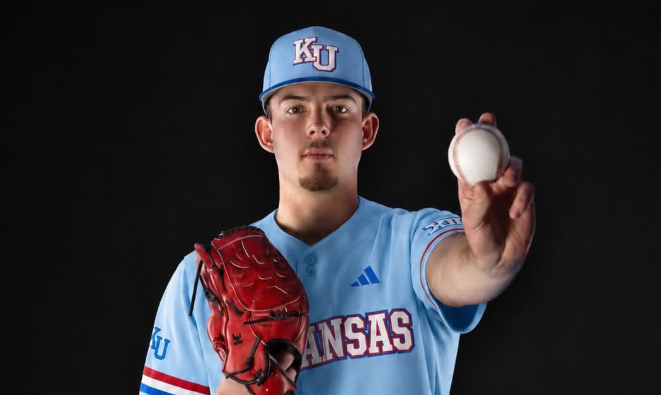
An example of a knuckleball or butterfly ball.
1 comment
-

Ancien membre
See the 1 commentHate de lire cela !
Community rules
Loading rules…