 PES
PES
 PHA
PHA
 SAV
SAV
 ROU
ROU
 REN
REN
 NAB
NAB
 COM
COM
 COL
COL
Romain Martinez Scott

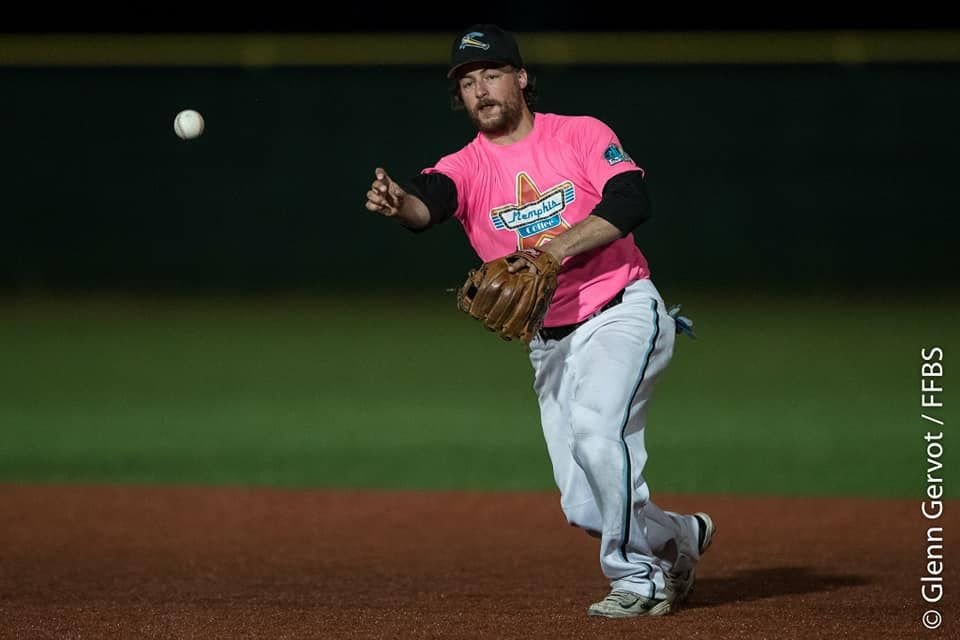
From the young history of French baseball, many personalities have already emerged. Over the past few decades, the sport has become more organized, producing numerous talents. Some players have come and gone quickly. Others, local “celebrities,” have remained for a long time, patrolling the fields of their own region or even all of France. And then there are those who grew up faster than most, rising to the highest level. Romain Martinez-Scott is one of those players who brought life to the top tier, representing prestigious teams and the national squad. Interview.
BTVF: Romain, the first question on our minds is: how and why did you discover baseball?
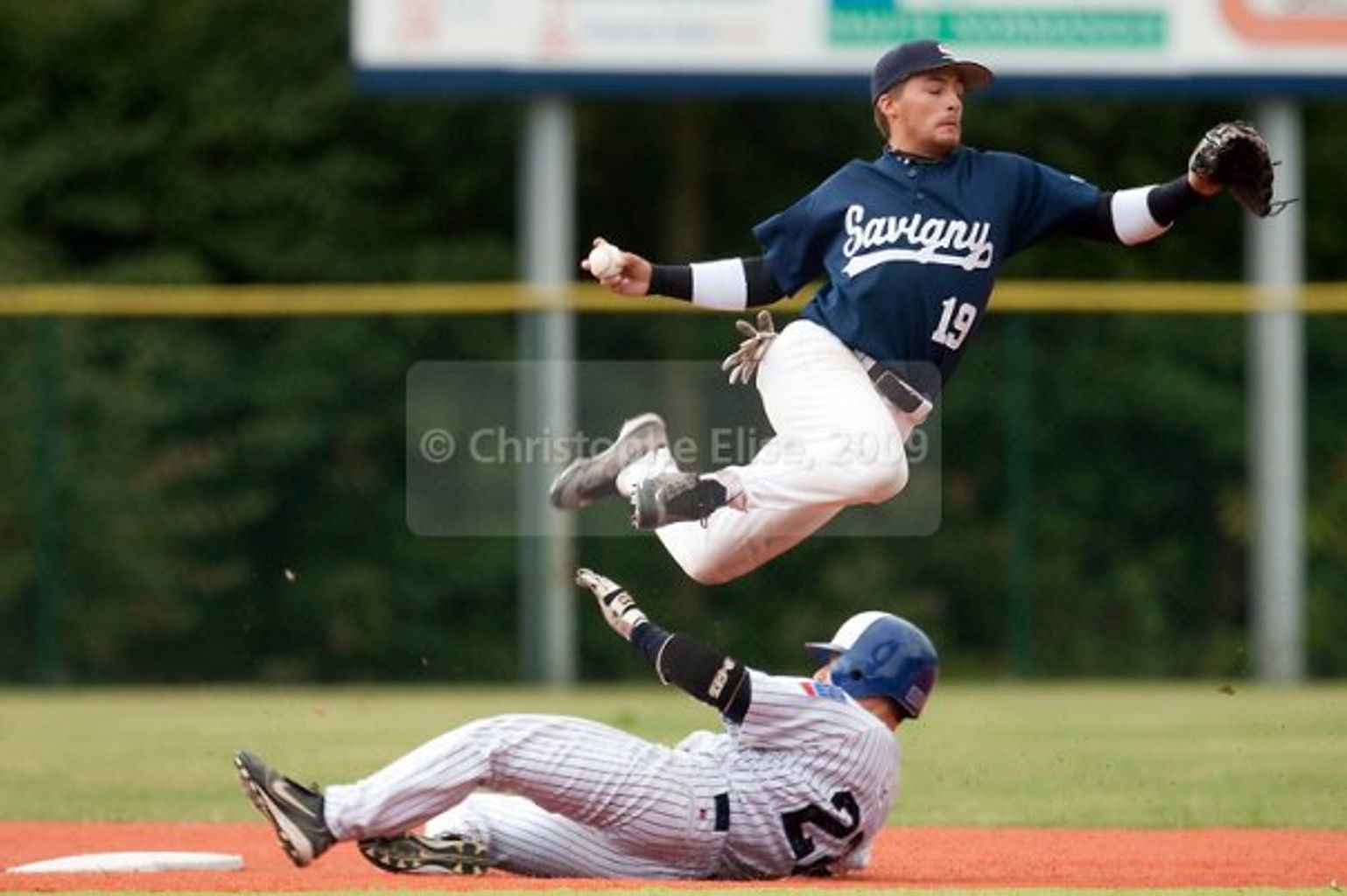
RMS: Baseball and I have a long history. It began with my dad, who was a Cuban political refugee. Like most young Cubans born on the island, my father played the sport. So, it was only natural that my father passed this part of himself on to me. He probably had no idea how big a role baseball would play in his son’s life. I started throwing a ball as soon as my hand was big enough to hold it. My father was my first coach. Later, as I grew up, my parents decided to enroll me in a club. My first club experience was with the “Cro-Magnon” team in Noisy-le-Sec, in the Paris region. I played in the Benjamin, Minime, and Cadet categories. I played alongside players like Jérôme Dussart and Rémi Lejeune, who later became international players. With my father, we then moved to the Web’s club in Noisy-le-Grand. There, I met Laurence Cornaille, a former international softball player. I played as a Junior, Senior, and in mixed softball. I was lucky enough to be scouted and integrated into the France Pole at the INSEP in Paris. I spent six years there starting at age 17. My training began as an outfielder, but with the arrival of Gerardo Leroux, who became my mentor for years, I moved to the infield as a shortstop. I had the chance to gain international experience as a Junior and Senior and to participate in several European Championships: Junior, Esperance (Silver), and Senior three times.
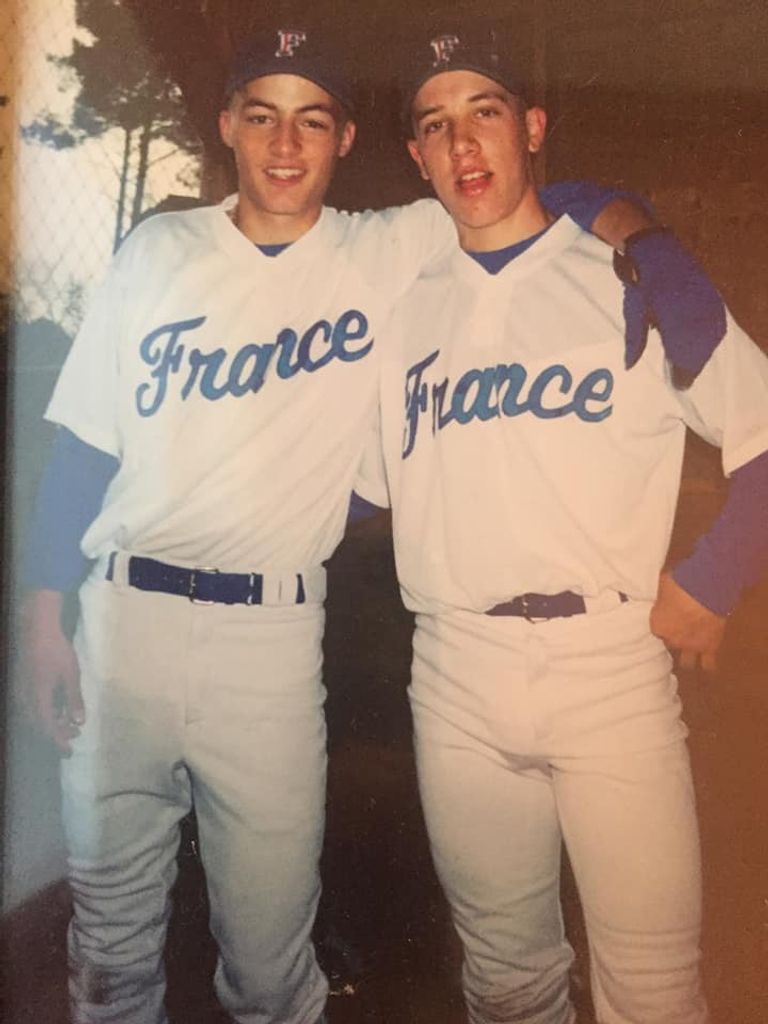
Above: Young international RMC, on the left.
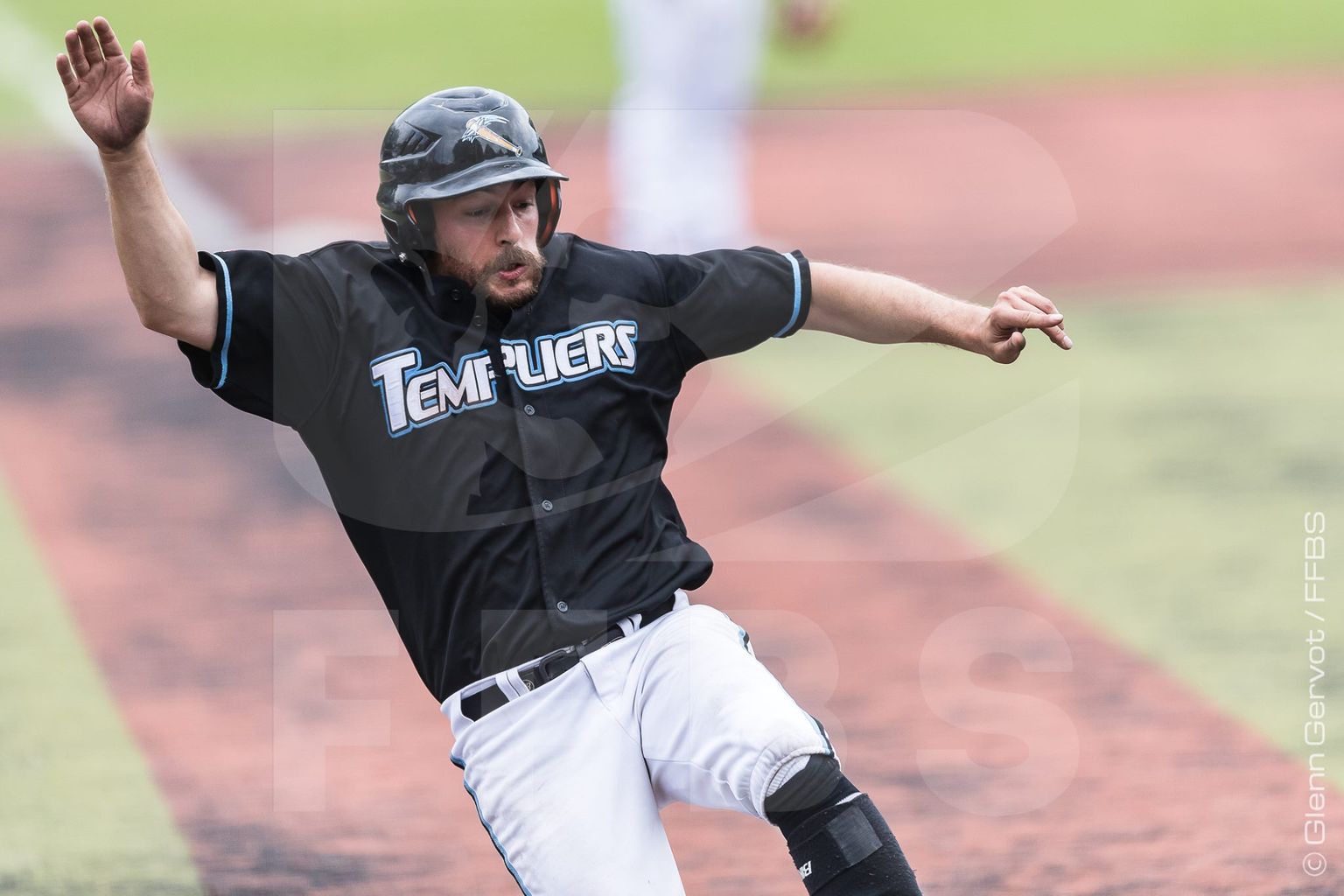
As for my clubs, I primarily played for the Lions de Savigny from 2003 to 2013, which will forever be my favorite team. A club with which I grew up, won my first title, and made lifelong friends. Unfortunately, I had to leave the club 10 years after joining due to field issues. I then moved to the Templiers de Sénart, who allowed me to have fantastic years from 2014 until last year when I ended my career. In 2014, we were double champions: Challenge de France and the championship. This club continued to allow me to compete at the highest level.

Above: With the Lions
BTVF: On the field, what is your best memory? Do you have any painful ones?
RMS: My best memory is undoubtedly my first title with Savigny. Let’s rewind to the 2004 final. We played Montpellier in a “best of 5.” We were down 2-0 after losing two home games. It was the same year the Boston Red Sox came back against the Yankees. We managed to rally. We never doubted in that final. Those games were witness to sensations I never found again. We were in total symbiosis for the victory. I don’t really have any bad memories. Maybe just the defeat in last year’s final against Rouen, where Sam Belisle-Springer’s performance deserved a different outcome.
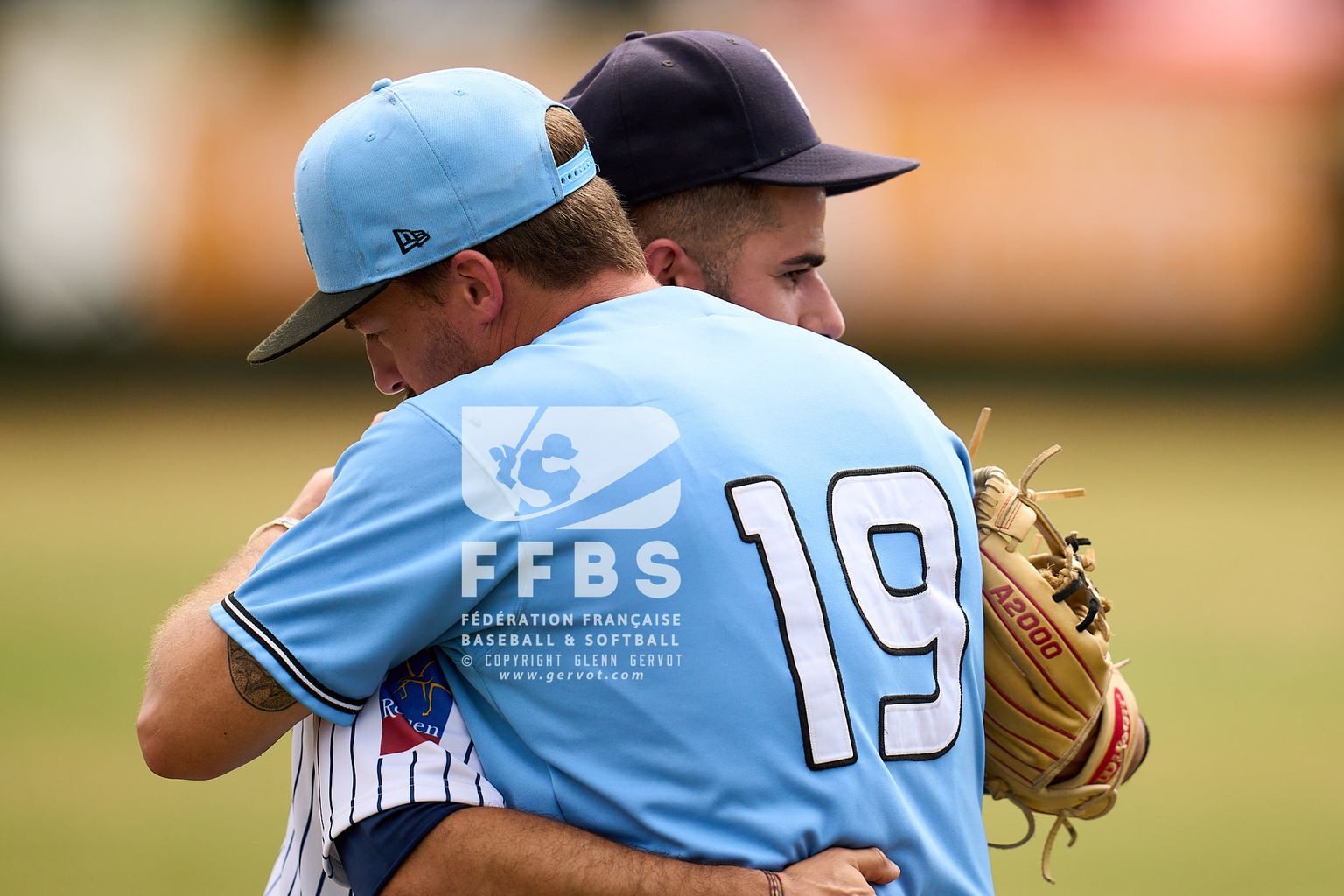
Above: RMC and Maxime Lefevre (Rouen Huskies).
BTVF: How would you describe yourself as a player? What qualities did you have in mind when you stepped up to the plate?
RMS: I was what you call a “utility player.” My main qualities were my speed and my ability to anticipate trajectories, which made me competitive in the outfield. When I stepped up to the plate early in my career, I entered into a “do-or-die” duel with the pitcher. The more dominant he was, the more I wanted to destroy his pitches. With experience, I then adopted a more collective approach to my at-bats. My goal was to be as useful as possible by any means necessary.
BTVF: Do you have a specific play in mind?
RMS: European Championship 2005 in Prague. We played against the Netherlands. I entered the game in the middle of the inning. On my first at-bat, I hit a shot to left field. In my mind at that moment, I had lobbed the ball to the Dutch outfielder. So, I gave it my all to make the most of my contact. I eventually reached second “safe.” I realized that no one was playing the ball. That’s when the umpire looked at me and gave me the home run sign. I was so surprised that I didn’t know how to enjoy that moment. We ultimately lost that game 17-1. Our only run scored was my home run, the only one of my career.
BTVF: Do you have a favorite player or player in France? Elsewhere?
RMS: I’ll choose three:
Mélissa Mayeux. I admire her journey. She has faced so many obstacles and what talent! I wish her a very long career.
Léo Jiminian. First player to sign with the NCAA. I had the chance to play with his father Carlos. I also had the chance to play with him. Watching him play, I couldn’t help but think of my beginnings (without having the same qualities).
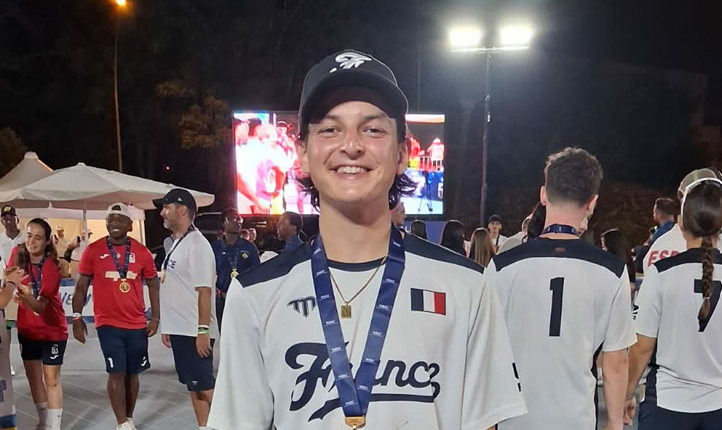
Mathis Meurant. Here’s another player who shows enormous maturity for his age. At an impressive level, he’s a player who loves to learn and is always open to advice.
BTVF: A favorite club?
RMS: “Go Fishes!” The Marlins, whom I had the chance to see in Miami during my visits to my family. But since they lose quite often, I fall back on the Yankees: Laughs!
BTVF: We recently learned that you have become a consultant for Bein Sport. What a great opportunity! Tell us how it happened.
RMS: It was Matthieu Brelle who introduced me to Bein, having been a consultant himself for a while. He introduced me to the “Mlbextra” team. I did a trial in August 2021 with Benjamin Bernard. They call me from time to time. I take this opportunity to thank the whole team!
BTVF: What do you think of the French championship today?
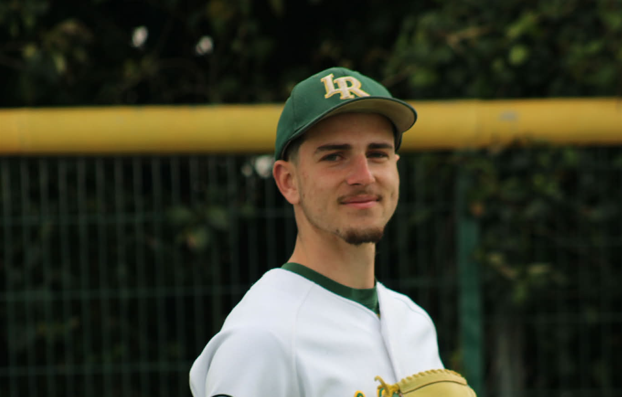
RMS: The level of the D1 championship depends a lot on foreign recruitment. In France, it’s complicated to balance multiple careers: professional, high-level sports, family… Countries like Italy and the Netherlands work in this direction. Today, they are the best European nations. I would like to point out that I find your live broadcasts very beneficial. La Rochelle, Montpellier, Sénart, Rouen…
BTVF: How do you see the evolution of French baseball?
RMS: French baseball will evolve a lot, especially thanks to Baseball 5. This version of baseball will enjoy great visibility (schools, leisure centers, etc.). My personal future will now be spent with my family on weekends, but obviously always with passion, more with softball than with baseball. I hope “Bein” will always want me in the future! Laughs!
BTVF: Our traditional question at BTVF: what can we wish you for the future?
RMS: Well, it’s simple, a good night’s sleep because it’s late now! Laughs!
Interview by Vincent Picard
Top of page photo: RMS with the Templiers de Sénart (second from the right).
2 comments
-

Ancien membre
-

Ancien membre
See the 2 commentsBravo ! Très intéressant
Très belle interview d’RMC j’ai eu le privilège de lui serré la main lors du dernier match de la finale l’année dernière. J’étais triste de savoir que c’était son dernier match et finir sur une défaite. Mais s je me souviens d’un bunt contre les Barracudas en demi finale en 10eme manche qui fait gagner le match au Templiers quel frissons !!!!Merci à lui et bonne continuation
Community rules
Loading rules…