 ROU
ROU
 SAV
SAV
 PES
PES
 PHA
PHA
 REN
REN
 NAB
NAB
 COM
COM
 COL
COL
Gerig and Charcot

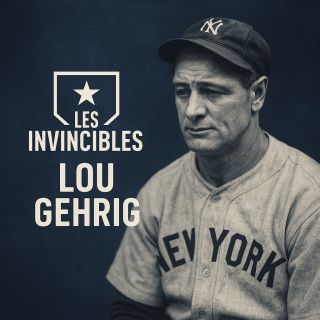
In 2025, the French Baseball Federation organized a day dedicated to Lou Gehrig’s disease, known in France as Charcot’s disease. Let’s take a moment in this winter season to talk about this serious neurological condition that affects motor neurons, the nerve cells responsible for controlling voluntary muscles. When they degenerate, the muscles no longer receive signals and gradually atrophy. Symptoms include muscle weakness, cramps, fasciculations, and difficulties speaking or swallowing.
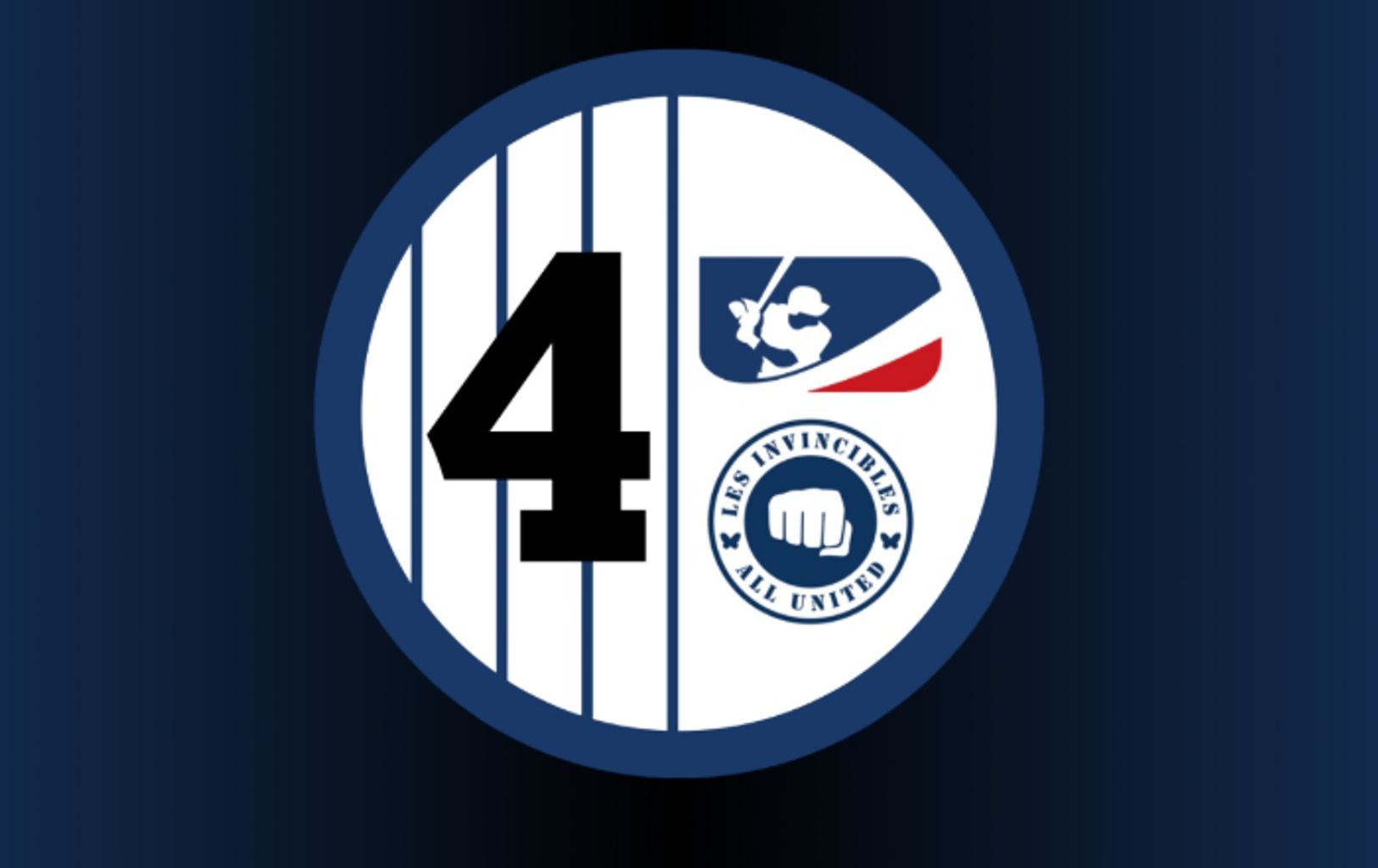
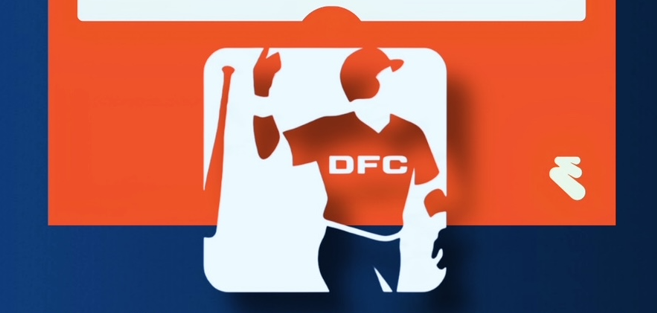
The created badge combines the logos of the FFBS and the Invincibles, and refers to the New York Yankees’ jersey of Lou Gehrig, whose number 4 has become a symbol and has even been retired by the American club
The name ‘Lou Gehrig’s Disease’ comes from a famous American baseball player, Lou Gehrig (1903-1941). Lou Gehrig was one of the best hitters of his generation and played for the New York Yankees for 17 years. In 1939, at the age of 36, he was forced to retire from his sporting career after symptoms of ALS appeared: fatigue, weakness in his arms and legs, and difficulties holding his bat. Lou Gehrig then gave an emotional speech in front of the Yankee Stadium audience, declaring that he was ‘the luckiest man on the face of the earth’, despite the diagnosis that would eventually cost him his life. His notoriety helped to make this disease known to the general public.
In France, this condition is called amyotrophic lateral sclerosis (ALS) or Charcot disease, named after the French neurologist Jean Martin Charcot who described it in the 19th century. The disease progresses inexorably towards a loss of autonomy and affects around 2,000 people each year in France. There is still no cure, only care to relieve symptoms and slow down the progression.
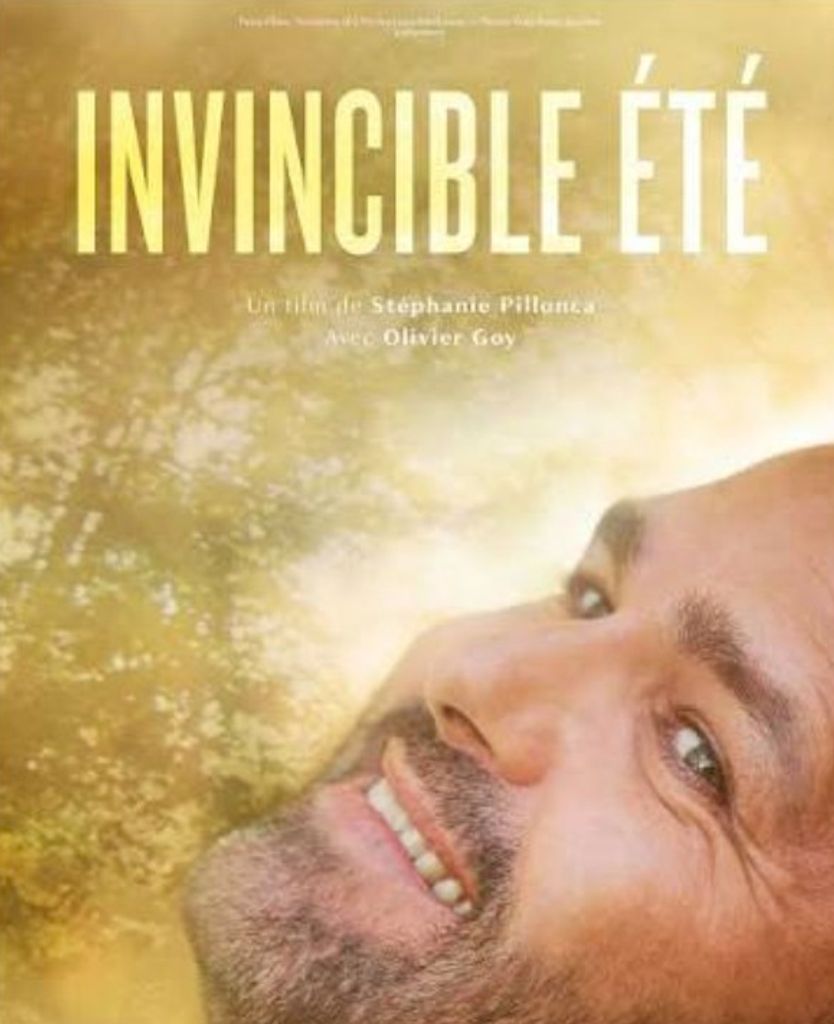
Among the recent testimonies, that of Olivier Goy is particularly striking. An entrepreneur and former CEO of the fintech, he was diagnosed at 46. His illness gradually limited his mobility and speech. Thanks to artificial intelligence, he was able to continue to communicate and share his message. Olivier Goy has written a book, Invincible, to raise awareness and support research, donating the rights to the Brain Institute.
His journey illustrates that, even in the face of ALS, it is possible to remain an actor in one’s life, maintain one’s dignity and mobilize society around research and the support of patients. Through the story of Lou Gehrig and the fight of Olivier Goy, we see that this disease, although formidable, can inspire courage, solidarity and commitment.

React to this article
Community rules
Loading rules…