 PES
PES
 PHA
PHA
 SAV
SAV
 ROU
ROU
 REN
REN
 NAB
NAB
 COM
COM
 COL
COL
Interview with Didier Seminet

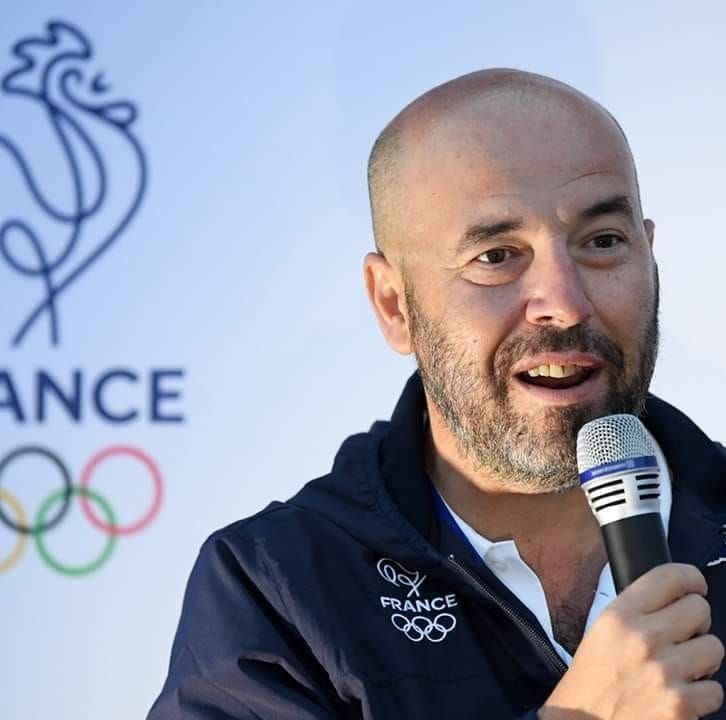
Meeting with Didier Seminet, Honorary President of the French Baseball Federation. He rarely speaks out since stepping down as President of the Federation. Baseball TV France discusses the major topics of French baseball with him.
BTVF: Regarding baseball activity in France, how do you see the developments today?
D.S.: To be very honest, I don’t look at the details of the federation’s activities. I’m stepping back now. As long as the federation is doing things, it’s dynamic. I’ve known a time when it did much less. I prefer more than less. There’s never too much in federal sports, it’s not an enemy, it creates emulation. Even if it’s a small federation, when compared to others, it must serve everyone, all sports currents. A member of the federation is accountable so that everyone finds their place. I’m happy that many competitions are organized.
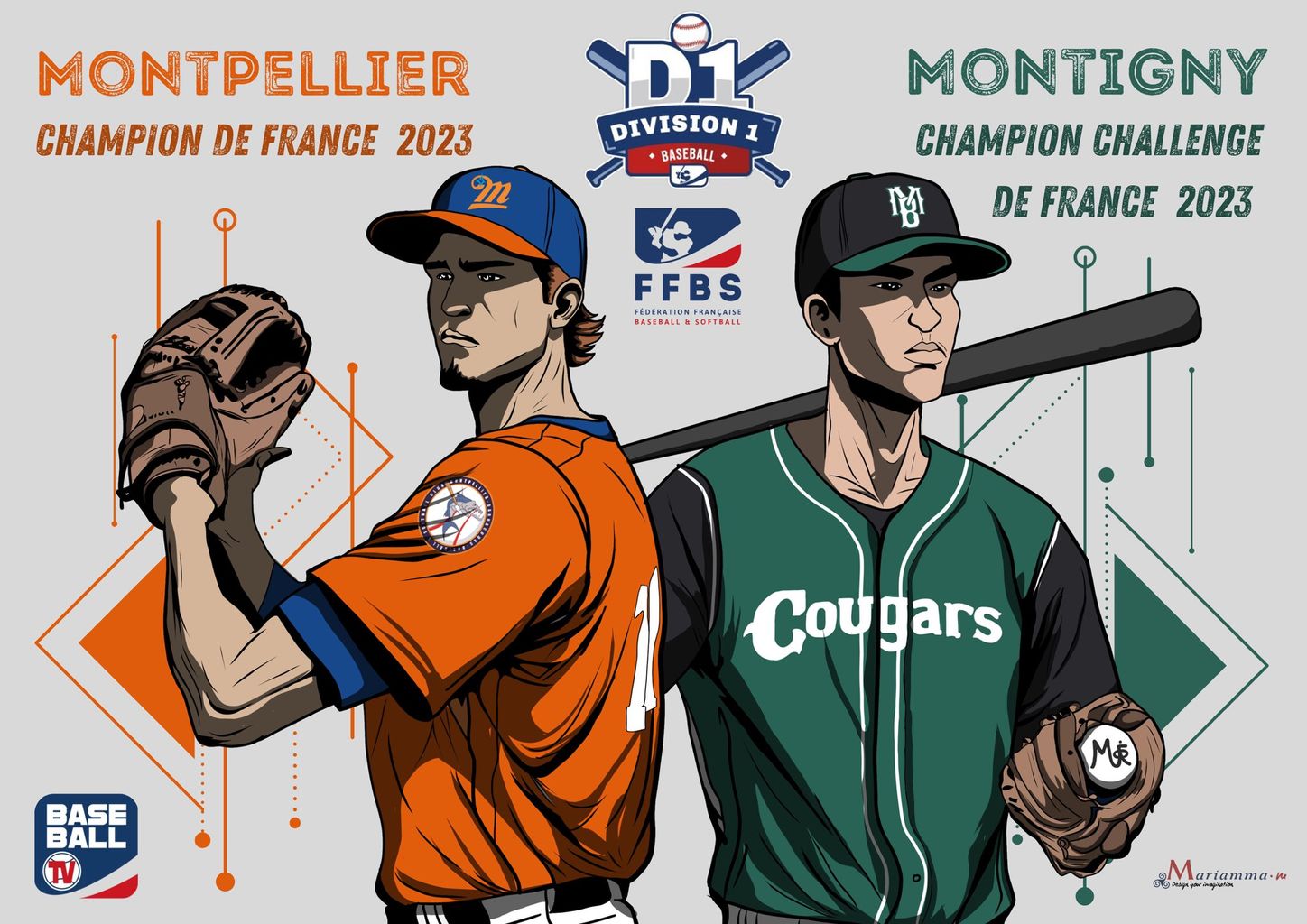
BTVF: This year’s sports results in Division 1 are shaking up the favorites: Rouen is slipping a bit, Montpellier is taking its place, Le PUC is in D2, what is your opinion on these changes?
D.S.: I don’t like that Rouen is toning it down. Because they’ve also toned it down internationally. They’ve been the ones holding the bar in Europe for a very long time. That’s not good news. I hope this leveling won’t be at the expense of the French level. For Paris, I’m not satisfied either, because it’s a club that should be a leader in terms of licensed players, I wish them to quickly regain their former glory. For Montpellier, it’s really good, many players come from the CREPS, that’s a good thing for them. I wish Montpellier the same fate as Rouen.
BTVF: What do you think of the new rules regarding the JFL (Locally Trained Young Players)?
D.S.: It’s a real revolution, because when I was in charge, we were more inclined to open the floodgates to foreigners, imagining that the French who stood out served the interest of the national team. I support the approach without being really for it. Clubs are not at the service of the French team, it’s the opposite. The federation is at the service of the clubs. I understand the need to give French players the opportunity to flourish. I had noted at the time that it was easier to play in Division 1, it was and still is the foreigners who make the difference. Teams play their season on the one or more foreign aces they recruit. If they win 10 games in the season with a dominant pitcher, the team can feel good about their season. We’ll have to be careful that the game remains of quality. However, we must not simply be in the in-crowd. We must open up to other players from different horizons. It’s interesting to see what will happen. For example, a boy like Quentin Moulin, whom I followed last season, doesn’t need the JFL to play, he has his place. He is strong and that’s enough.
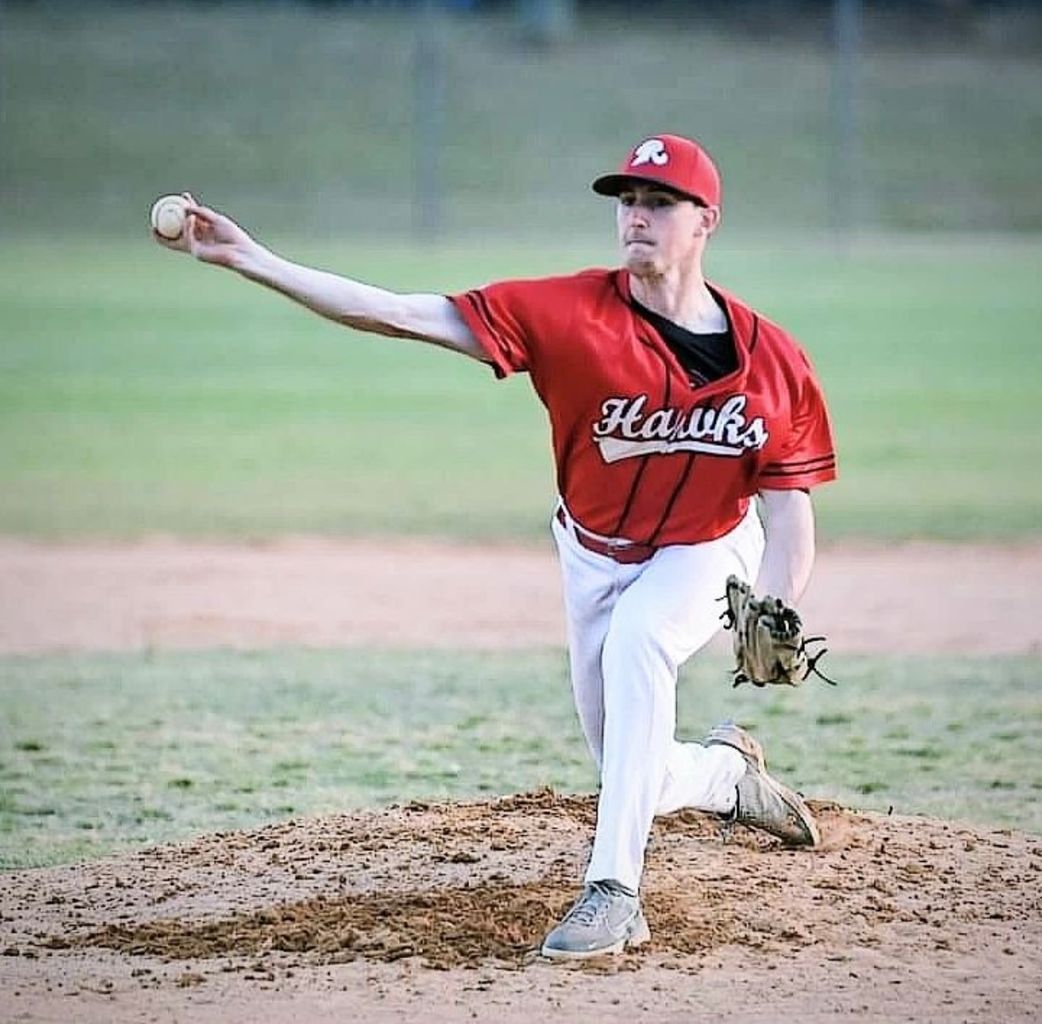 Quentin Moulin in Australia
BTVF: How do you see France developing in terms of players, is it through the rise of pitchers like Lacombe, Antoine or Couvreur?
D.S.: It’s generational, all of this. We’ve known other incredible pitcher eras like Piquet, Leblanc, Meurant, Briones… In the European championship, the French team started with at least five dominant starters. It’s not the French training that is responsible for this, the clubs had the role of inspiring vocations. At the time, the Insep, the Olympic baseball federation, was making players progress from all over France. Now and since then, there have been drafts like Yohann Antonac for example. None of those before went into the MLB system. It’s surely more open today. The MLB system brings out the best performers, we have to use this system. It’s hard I imagine to come back to France, when you’ve known the American infrastructures and organizations. It’s understandable. I hope Mathias Lacombe will perform, he went through the 12U that we reinstated. He has to walk the path of Fred Hanvi or Andy Paz.
BTVF: On the international front, no baseball at the Paris Olympics, no MLB in Paris in 2025, how do you explain that?
D.S.: Two different subjects with the same hat, it’s the credibility of the baseball discipline in France. Everyone knows we exist, we lack weight and we’re not credible. When Paris made the decision for the Olympics, they talked to us about limiting the quota of athletes in the Olympic Village at the time. These are the rules of the game because team sports are impacted by this. The COJO also snubbed Karate, which with 240,000 licensed players carried another credibility. Too many combat sports surely! For baseball, they didn’t want it and they had the right because in Tokyo it was an additional sport. Baseball was removed from the Olympics after Beijing in 2008. They took the right not to include it. The federation has always been there to defend its sport, but to succeed in a meeting, there must be two.
For the MLB in 2025 in Paris, it’s the same, it’s still a problem of credit. The schedule was constraining. The Stade de France, the only place where this can happen to MLB standards, has an economic reality. Nothing happens in this stadium until July 2024 for the preparation of the Olympics. The year 2025 will be a year of profitability, the managers of the Stade de France take fewer risks in bringing a Mylène Farmer than an MLB game and here again it’s understandable.
We must not fall into paranoia against any force contrary to baseball in France. Let’s do even more of what we are currently doing, let’s put ourselves in the best world rankings, let’s put ourselves in the political decision-making institutions. It’s a generation that must move forward in this commitment. We were this close to succeeding, it doesn’t pass. The MLB wants to come, it’s up to us to find the means. These MLB games are an enormous machine, incomparable with the organizations we set up: Challenge de France or Division 1 final. We’re not on the same planet, when you see what happened in London.
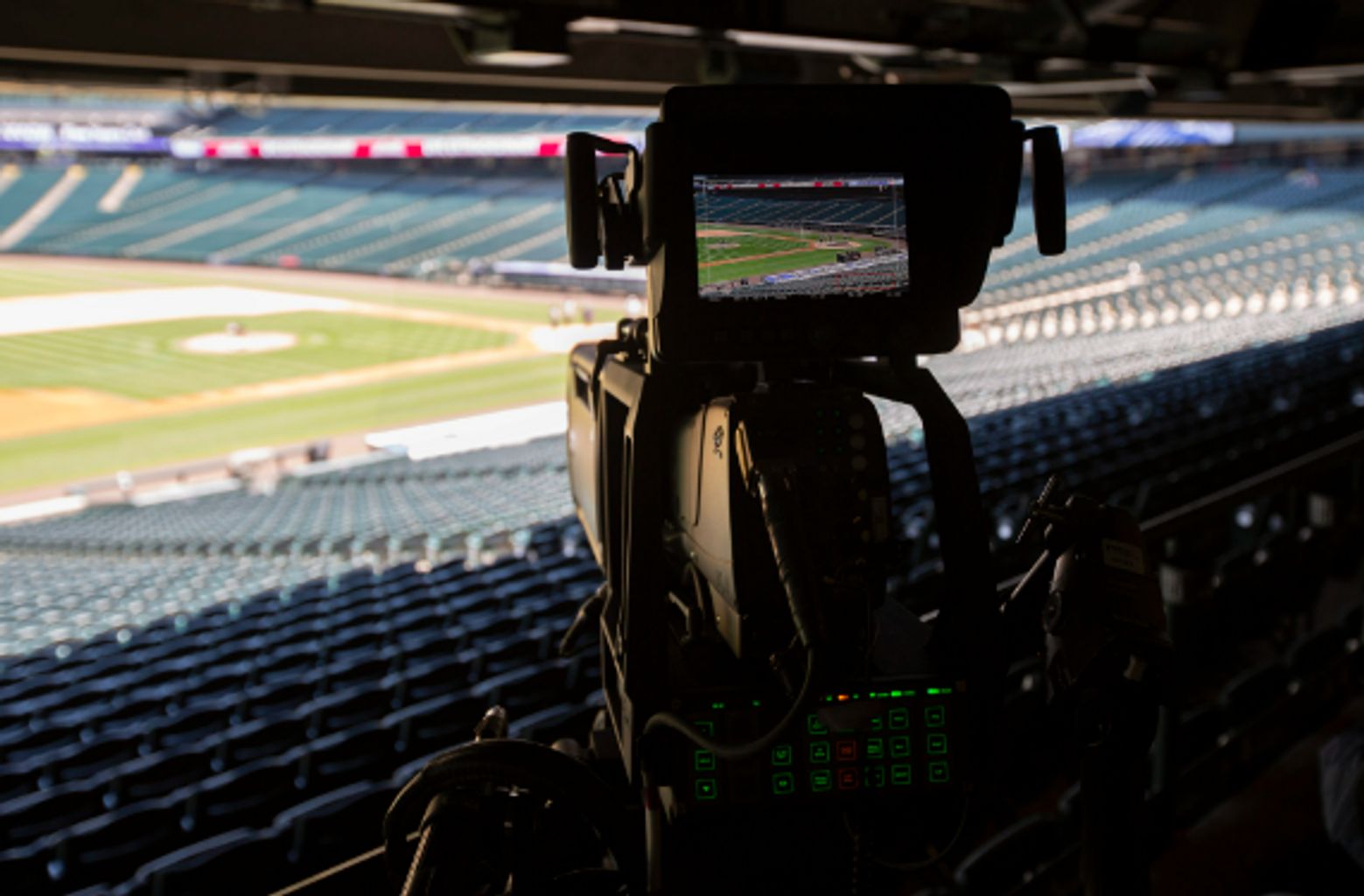
BTVF: Today, the broadcasts of Division 1 matches are becoming almost mandatory. How did the adventure of broadcasting baseball matches start, can you tell us about this adventure?
D.S.: It starts with a boy named Emmanuel Hassier, who films a first match in Rouen during a Challenge de France in 2007 or 8. We created together “Stadeo” with broadcasting rights. Mathieu Brelle Andrade was for example an employee of Stadeo in Sénart. We broadcasted matches from Taiwan, more than fifty. As manager of Sénart at the time, we worked on camera plans. The internet cost was very expensive at the time. Times have changed. Stadeo sold scanning services of VHS tapes to hard drives of the world baseball federation videos. Later, broadcasts from Sénart via youtube appeared.
BTVF: Let’s talk about Baseball 5, how did it start?
D.S.: When I was President, I was looking for a discipline that was easy to implement and would erase all the constraints like complicated rules and the large field. We brainstormed with Eliot Fleys. I was shown T-Ball, but it required equipment, a large field. It didn’t work. While searching the internet for Urban baseball, I came across a 2013 Red Bull video in Havana: “Los quatros esquinas”, the four corners.
I arrived in Doha in 2016 and I tell the story to President Fraccari of the International Federation (WBSC) and present it to him as the future for many countries like Africa for example. He watches the video, closes the PC and says nothing. A few weeks later, during a congress in March, he comes up with the idea that he had a brilliant idea and without flattery claims paternity of this new discipline! Then, it had to be implemented, it would be at 5 and it would be mixed. So today, I retain that there was a will to appropriate the project and above all not to show that it was a small Frenchman who had come up with it. Then we did the first demos in Havana. Already at the time, I felt that it would be the future Olympic sport. However, it’s not won, because North America (USA and Canada) boycotts baseball 5 unlike Japan. The market for big baseball needs it, because the loss of licenses in traditional baseball is accelerating. Let’s not fool ourselves however, the economic system of baseball with its industries of gloves, bats, balls will never be for the development of baseball 5.
I bet that one day it will be the sport of the future at the Olympic level. The Youth Games are the entrance hall of the big games. Baseball 5 will be there in Dakar in 2026. This opens up enormous potential, perhaps for 2032, because regular baseball will be more complicated to program at the Olympics in Australia.
Let’s wish France a medal in 2026. The current first world place of which I am very proud, allows us to believe it. Baseball 5 is only there to help the classic disciplines to attract more licenses, and to progress through technique. Okay, it’s true there are not yet too many baseball 5 licenses in France, but it’s up to the clubs, who remain decision-makers.
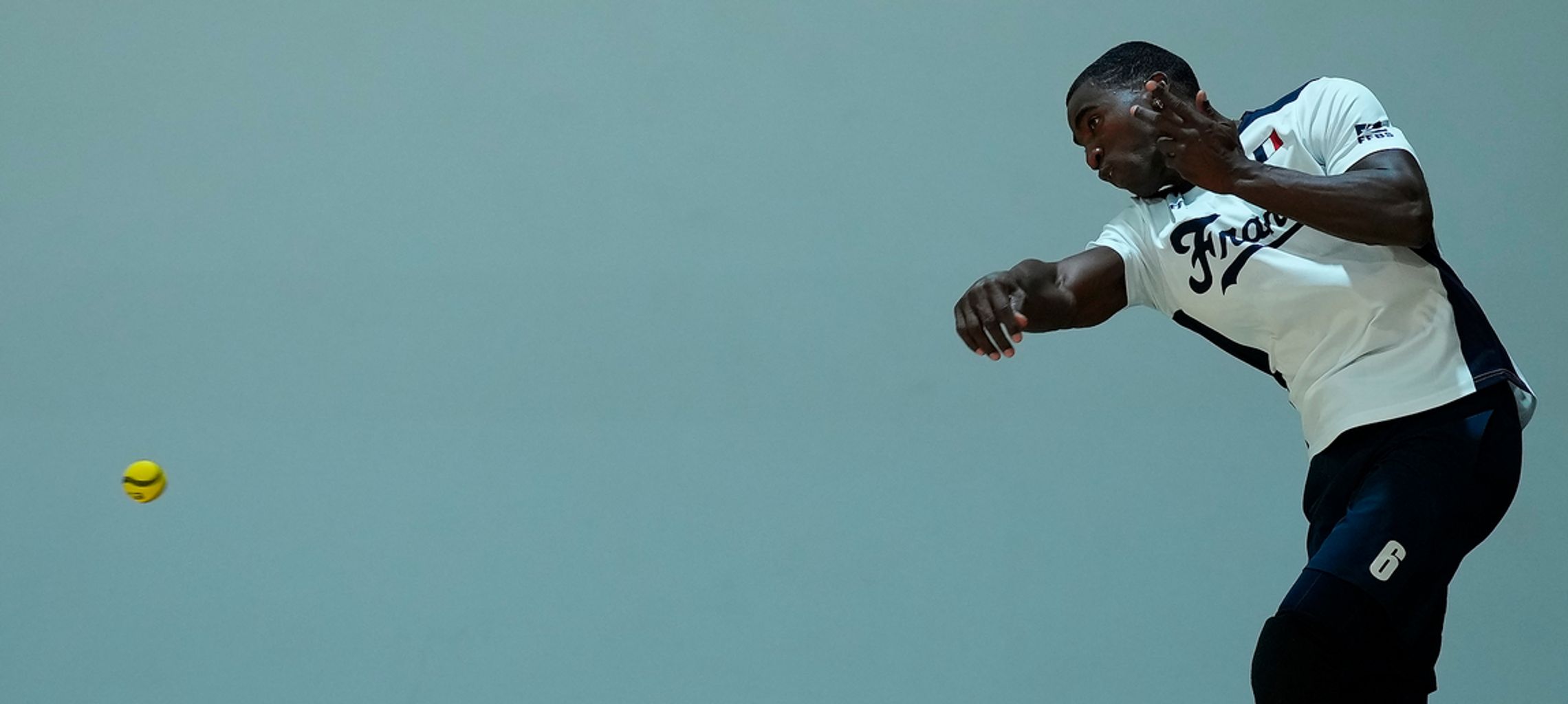
BTVF: In the corridors and on the fields, the subject is buzzing, what about you for a return to business?
D.S.: I’m always there, as Honorary President. I don’t want to take someone’s place. I’m fine with the way I’m consulted. I give my opinion and it’s going well. I’m more interested in helping the development of Cricket. It’s a close relative of baseball that needs to be helped to form a federation in 2025. It’s an Olympic federation that will last, it will be 2028 in the USA, 2032 in Australia and 2036 if it’s India. If I were to return to business, that is to say take a Presidency, I would be more on Cricket. Baseball has become independent, there’s not much money, but there’s no more debt. There are people who project themselves, I don’t see myself replacing someone at this point. At the European level, I don’t close the door, even if it no longer interests me because I did it. If there is an opportunity internationally, I will seize it. The current President must not leave the door open, I will try to take advantage of it. But it’s another thing. International baseball is doing well, it is very weak compared to the professional machine of the MLB. The WBSC has no right over American or Japanese baseball. Yes, the budget of the International Federation is important but it is incomparable with the MLB. 12 million per year against 13 billion for the MLB!
BTVF: What can we wish you?
D.S.: Let’s take care of each other, it’s only sport.
1 comment
-

Fredet
See the 1 commentLe cricket, sport d’avenir en France ?
Community rules
Loading rules…