 PES
PES
 PHA
PHA
 SAV
SAV
 ROU
ROU
 REN
REN
 NAB
NAB
 COM
COM
 COL
COL
Bochy Reflects on the Qualifier

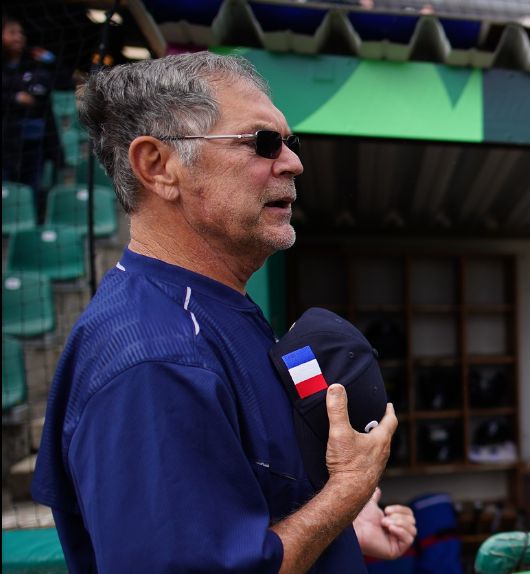
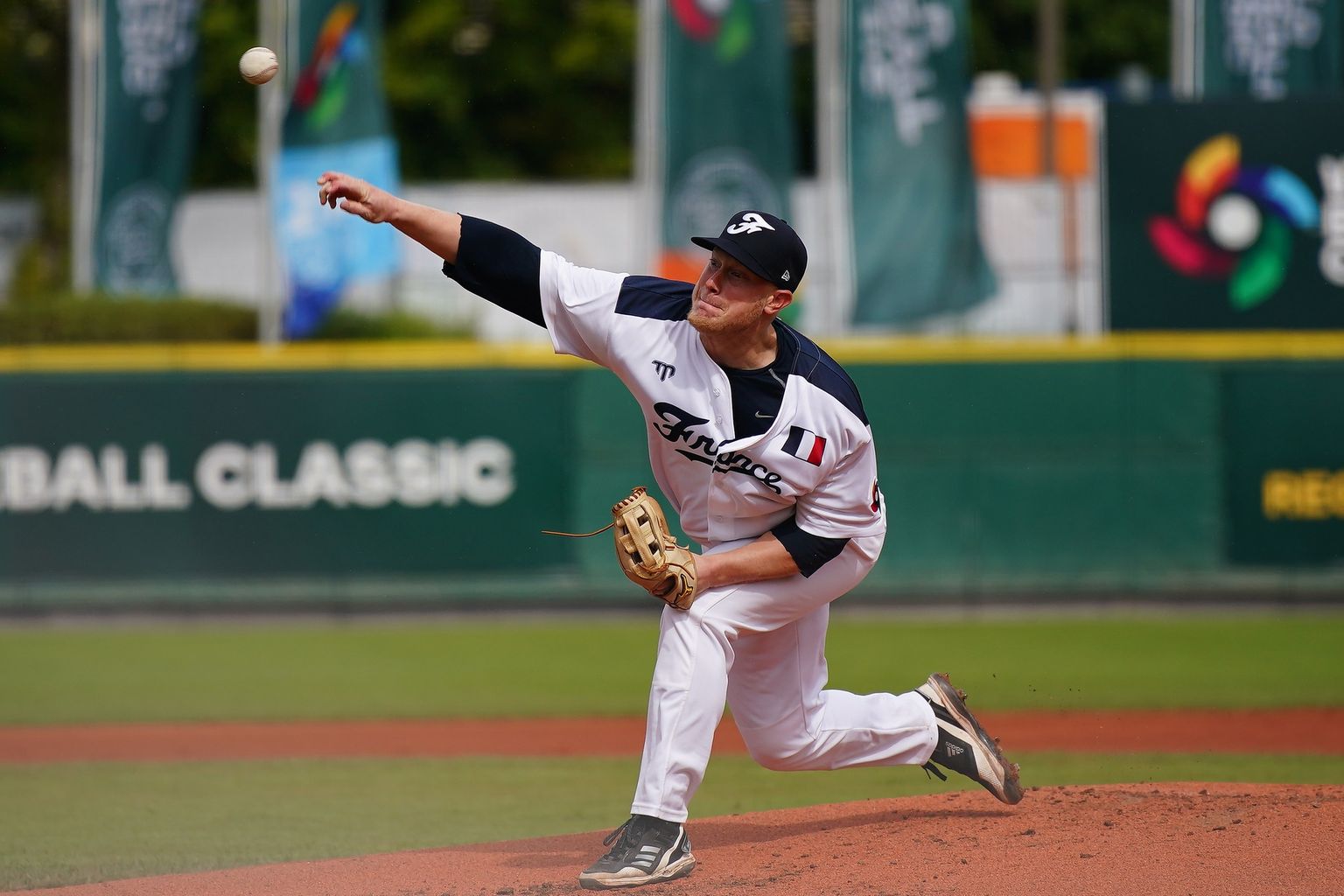
The baseball World Cup qualification phase was a nightmare for the French team. Two shutouts and the prospect of a major overhaul to find sporting success. Let’s revisit this with their coach, Bruce Bochy, on what went wrong and areas for improvement.
BTVF: What’s the first lesson you take from this tournament?
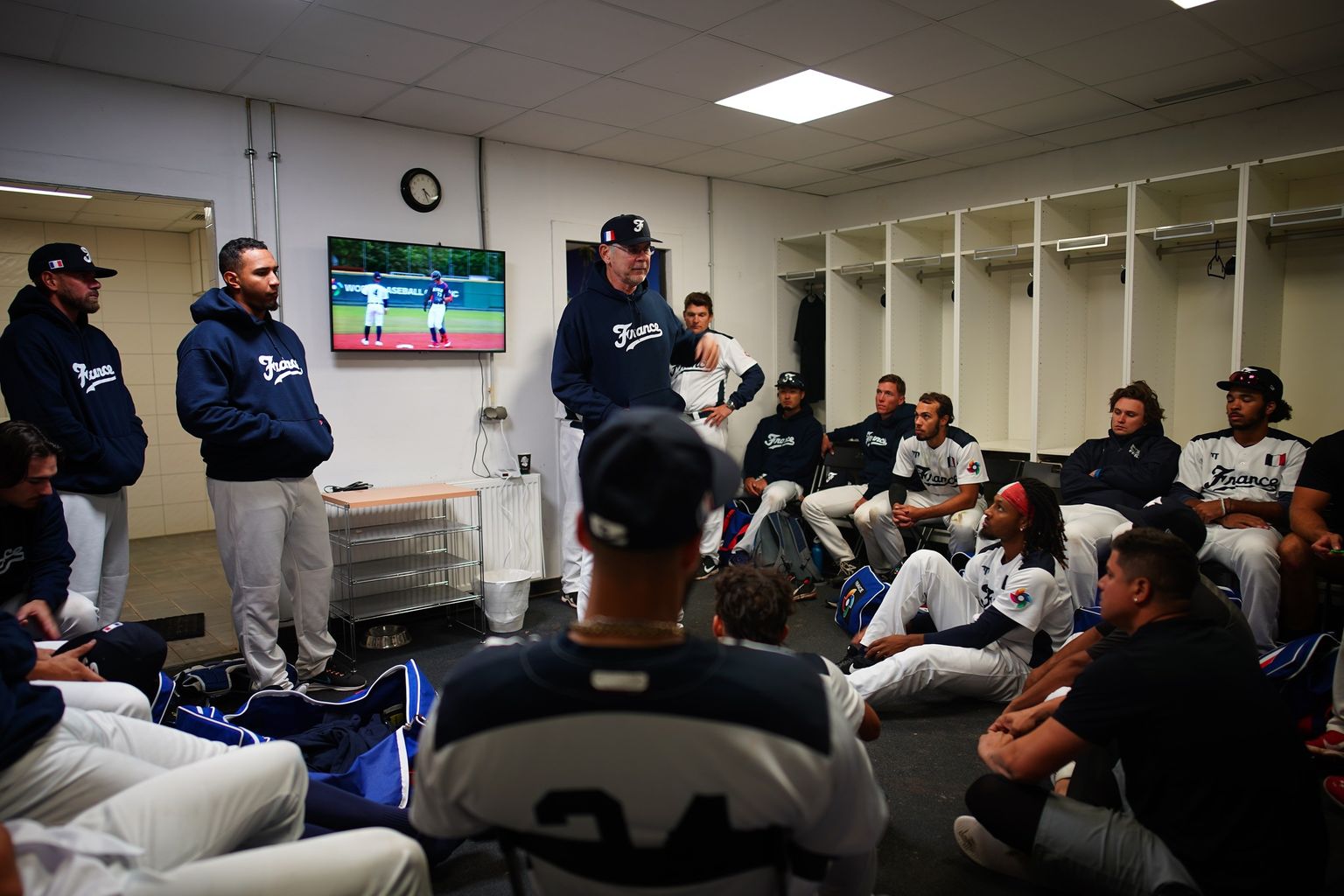
Well, that there’s still work to be done. The level was extremely high with many former Major League players and current minor leaguers, many experienced players. We’re not there yet, especially since four or five of our best players weren’t available (the Alexander brothers, MLB pitchers, former Major Leaguer Cory Gearin, or Brewers prospect Ernesto Martinez, for example).
BTVF: Did you think there could be such a big gap in level between the teams?
With this competition’s eligibility rules, it’s hard to know what the teams will look like before the rosters are revealed. We knew from the start that the level would be very high, and we expected teams like Great Britain and Spain to make the most of the rules to field competitive squads.
BTVF: What obstacles got in the way of the strategies you had planned?
I think we executed the plan with the strengths and weaknesses we had. Both games were tight for five or six innings, then our pitchers couldn’t prevent more damage while our offense didn’t deliver when we had scoring opportunities. We also have to consider the competition format and pitching limits. Strategies had to change as the game evolved.
BTVF: After seeing the Czechs qualify, do you think fielding only French nationals could have changed things?
I don’t think so. The unity of French nationals is what we have at the European Championships, and our results there aren’t more satisfying, so we can imagine the results without eligible players during World Baseball Classic qualifiers would have been even worse.
The Czech team is good because that country has been one of Europe’s most dynamic for 20 years. They have state-of-the-art facilities, dynamic clubs that regularly host international events, good coaches, a competitive league – ExtraLiga where players have been professionals since last year – a national U21 and U18 championship with reserve teams from ExtraLiga as well as enough funds for ambitious national team programs. The national team’s results tend to reflect the overall state of the sport in the country, it simply shows they’ve done good work and deserve their success.
BTVF: The next deadline is the European Championship. How do you think you can improve the skills of French players to be more competitive?
Continue working with the players who were there (15 of the 28 on the roster are French nationals), those who couldn’t be, and with the clubs so players train more and are in better condition to perform. I’ve seen the Toulouse Academy and the work done by top professionals for national team programs, especially those I’ve had the chance to work with on this project. There have never been as many French players in college as today, as evidenced by Léo Jiminian recently becoming the first French-born and trained player to sign with NCAA Division 1 baseball. But it’s a collective effort. All stakeholders in France must continue their efforts to develop all aspects of the game so that one day France can be competitive internationally.
BTVF: The enthusiasm of the French when you arrived in Montigny, in Toulouse (even for rugby) must have warmed your heart. How did you become aware of the French expectations towards you?
I’d only heard about it, to be honest, but I was very surprised and enthusiastic about the love of the game here in France. I’ve met many passionate and talented people who deserve better recognition for their work and for the sport in general. I’m happy to contribute and hope this helps develop baseball in France.
Interview by Didier CANNIOUX
Photo credit: Glenn Gervot


1 comment
-

Ancien membre
See the 1 commentLa bonne nouvelle est qu’il continue le travail !
Community rules
Loading rules…