 ROU
ROU
 SAV
SAV
 PES
PES
 PHA
PHA
 REN
REN
 NAB
NAB
 COM
COM
 COL
COL
A Hairy Tale


Does a mustache or beard make a baseball player more powerful, stronger, or more confident? In this male-dominated world, let’s explore the events that have shaped the history of facial hair.
The symbolism of facial hair has varied across cultures and eras, from divinity among the Egyptians to wisdom among the Greeks, and high status among the Mesopotamians, especially if the beard was curly. It has been linked to other qualities like power or domination, particularly with the dictatorial mustache, openness and freedom with the famous three-day beard. The long beard leans towards philosophy and magic. Finally, it can be a symbol of mischief and fun, especially when playing with the mustache or goatee.
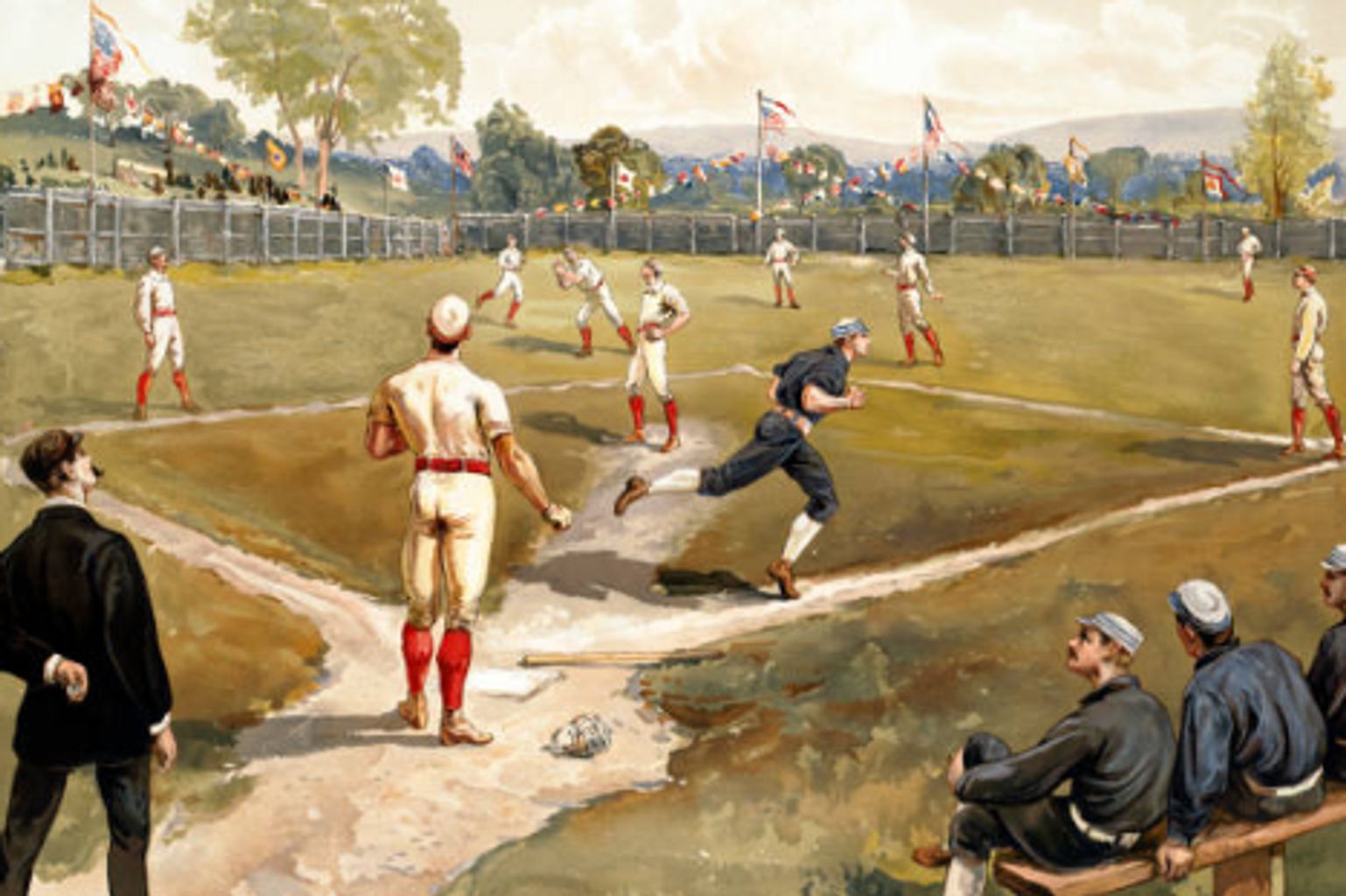
Facial hair in baseball is indeed a topic. First, there’s the famous “as long as we win, we don’t shave” mentality. Common in tournaments and playoffs, this practice peaked in 2013 with the Boston Red Sox, who had started the trend in 2004 when they won the championship after 86 years without a title. That same year, nearly 60% of MLB roster players had either a beard or a mustache.
Back in the 1970s, it was a manager like Steinbrenner with the New York Yankees who completely banned beards. This “shave or leave” rule still seems to linger on the diamond in the Big Apple. Earlier in the 20th century, the mustache trend in civilian life inevitably translated into sports, particularly baseball.
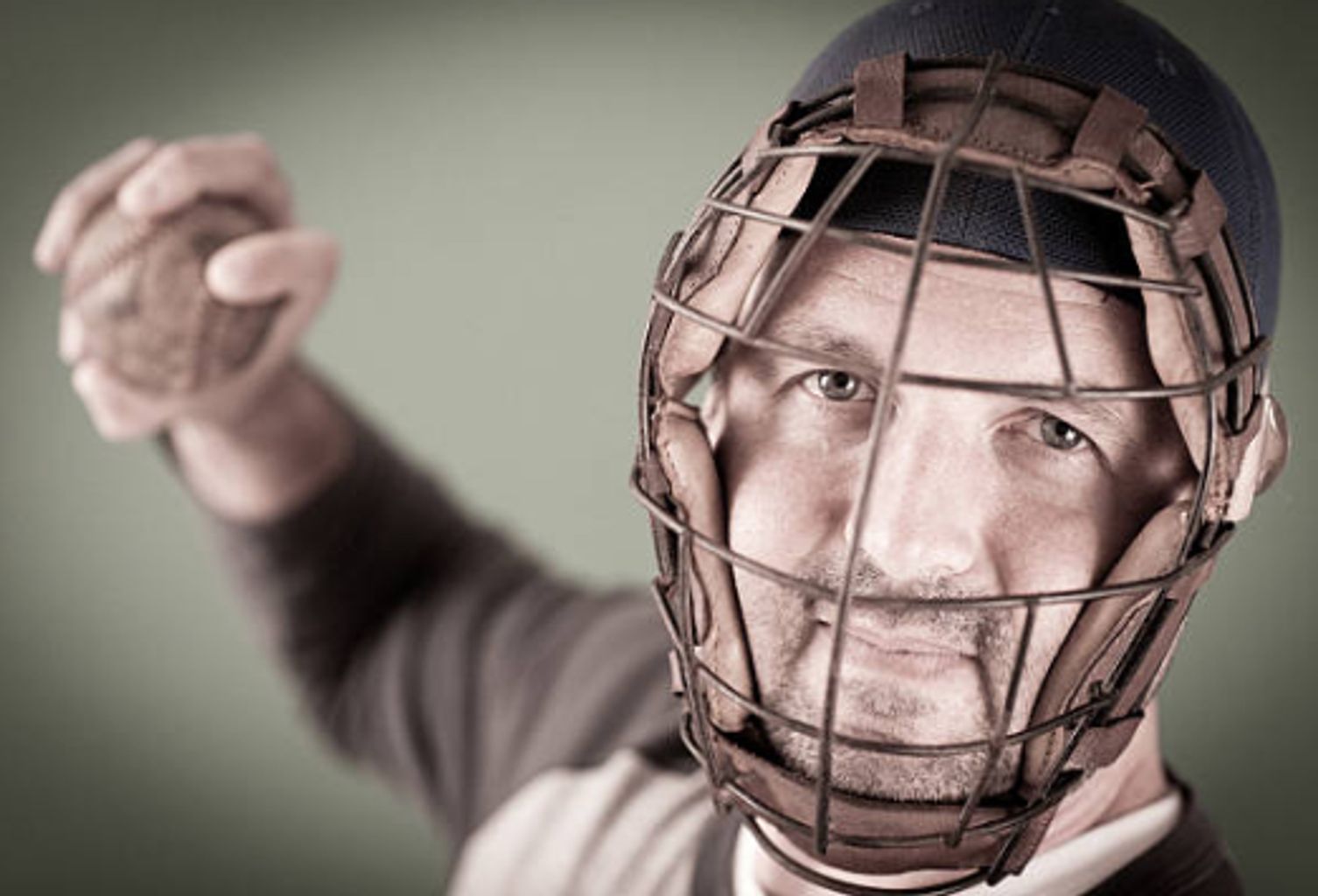
This is primarily a fashion trend reflecting a collective spirit that designates a practice of resemblance and belonging. Eras will alternate between clean-shaven and long, bushy beards, passing through the stylish distinguished mustache. It’s also an extremely personal phenomenon that can reflect a mental state. A good bearded player experiencing a slump might, out of superstition, shave off part of himself to return to good form. Conversely, a pre-depressive state might lead to a certain laissez-faire, resulting in hair growth and a way to hide one’s face and, perhaps unconsciously, one’s emotions.
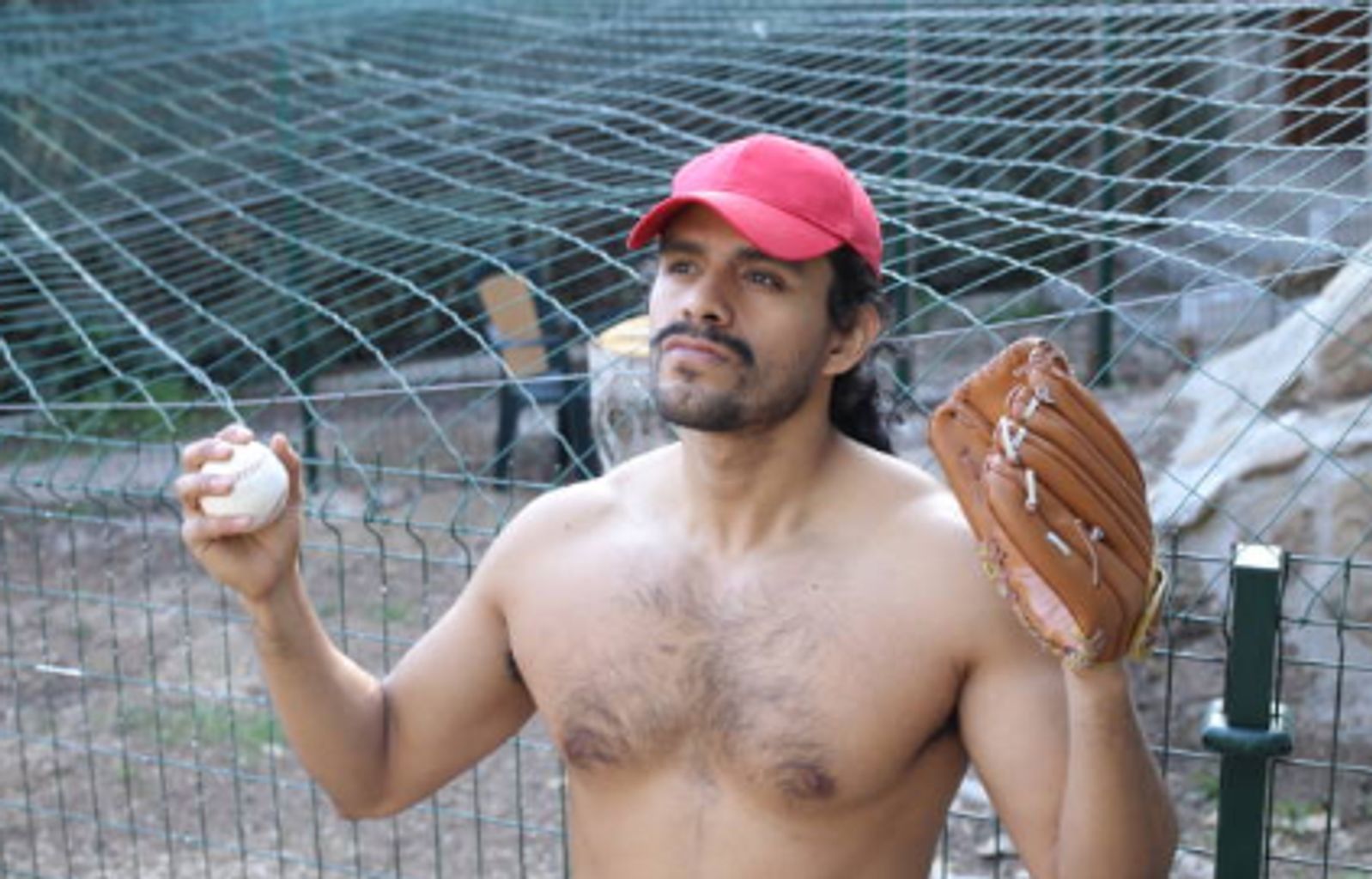
Players like Kershaw, for example, usually have a clean-shaven face during the off-season and a full beard during the playing season. The desire to appear older and more intimidating to opponents might be a natural trend for younger players.
In a game where failure is more common than success, any method to contribute to consistency can be employed. This includes facial hair, jewelry, bag organization, or routines for entering the field.
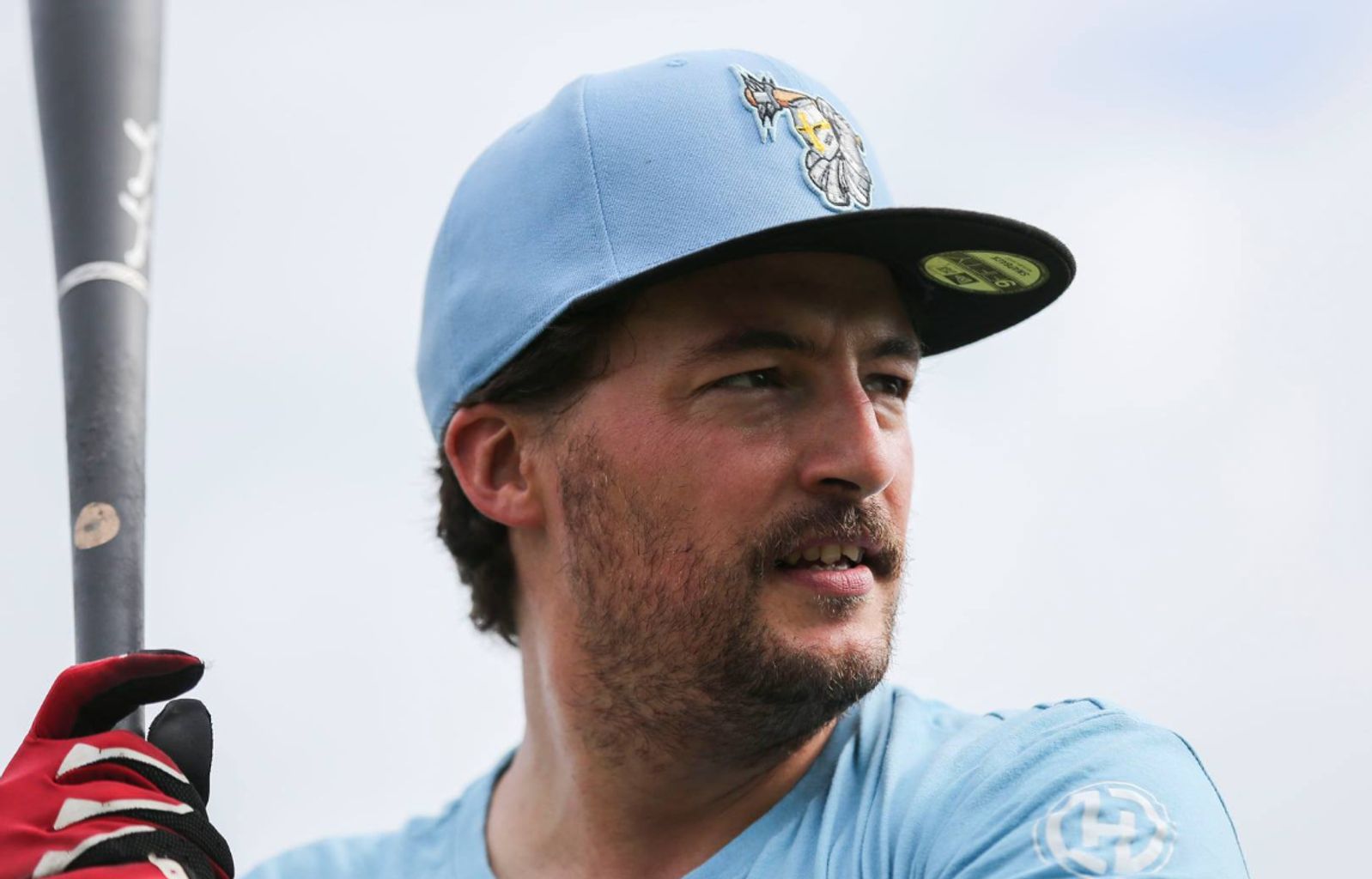
In France, around 2018/2019, the Sénart club’s D1 team had a mustache trend. This also demonstrates a team spirit that goes beyond wearing the same jersey. Players rally around each other. The individual and the collective feed off each other through such behavior. This attitude symbiosis can extend to fans and spectators who identify with their heroes and try to contribute a bit of help by supporting each other.

We could also discuss hair, which is less visible due to the cap but can, whether long or short, play the same role as beards or mustaches.
Feel free to share in the comments if you’ve experienced this kind of phenomenon in your club at any given time.
2 comments
-

sebbourgogne@gmail.com
MVP
-

Prêteras C
See the 2 commentsUn article au poil! 👍
De là à dire que les baseballeurs sont des bêtes à poils 😂
Community rules
Loading rules…