 ROU
ROU
 SAV
SAV
 PES
PES
 PHA
PHA
 REN
REN
 NAB
NAB
 COM
COM
 COL
COL
Is the level of locally trained players improving?

Comparing 2025 and 2026 statistics
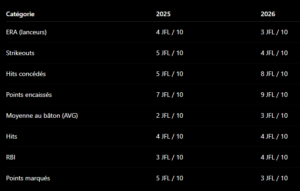
The role of Locally Trained Players (LTP) is one of the key indicators of the health of French baseball. By examining the number of LTPs in the top 10 statistical performances in Division 1, we can assess their real impact on the highest national level. Of course, the season isn’t over yet, we’re only halfway through, but when the editorial team felt this topic, they decided to look into it and… here are the results.
Pitchers: a mixed report
Among pitchers, the results show mixed progress between the 2025 and 2026 seasons.
In the most valued categories, LTP representation has slightly declined. French pitchers held 4 out of 10 spots in the ERA rankings in 2025, compared to 3 in 2026. The same trend is observed for strikeouts, with 5 LTPs in the Top 10 in 2025 compared to 4 in 2026.
This decline may reflect the strong competition from foreign pitchers recruited by Division 1 clubs, often positioned in major roles in the rotations.
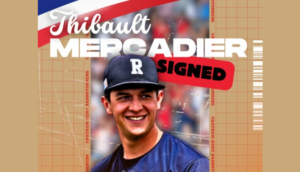
Thibault Mercardier (Huskies Rouen)
In the category of hits allowed, their representation increased from 5 to 8 out of 10. Even more impressive, LTPs hold 9 of the top 10 spots for runs allowed, compared to 7 out of 10 in 2025. The 2026 LTP pitchers are therefore hit harder than the LTP pitchers in 2025 and other foreign pitchers.
These figures show that a growing proportion of French pitchers are not yet effectively limiting opposing offensive production and establishing themselves as essential elements of their teams.
Conclusion, we need to insist and perhaps increase the number of innings pitched by an LTP from 7 to 9 over two games if we don’t want the level to drop.
Batters: encouraging progress
The analysis of offensive statistics reveals overall progress for LTPs.
The batting average (AVG) increased from 2 to 3 French players in the Top 10. RBIs also improved, rising from 3 to 4 representatives. These indicators suggest a better ability of locally trained batters to produce offensively in decisive situations.
The hits category remains stable with 4 LTPs in the top 10 performances for both seasons. This stability shows that the contact level of French batters remains competitive against foreign competition.
However, the number of LTPs among the top scorers dropped from 5 to 3 players. This decrease can be explained by different roles in the line-ups or a greater concentration of key offensive positions around imported players.
Conclusion, the presence of LTPs in the line-up is starting to bear fruit. Here too, we need to drive the point home and add another LTP to the field or as a designated hitter.
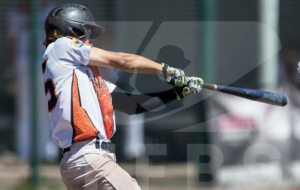
Paolo Brossier (Barracudas Montpellier)
Qualitative progress despite increased competition
The study of different categories highlights a more nuanced reality than a simple opposition between French and foreign players.
If LTP representation has slightly decreased in some prestige statistics, notably ERA and strikeouts, it has progressed in several sectors revealing overall performance: limiting hits, mastering runs allowed, batting average, and RBI production.
Overall, the 2026 figures show that locally trained players remain major players in the championship. Their presence in elite rankings remains significant and testifies to the training work carried out by French clubs.
Outlook
The evolution of LTPs is an encouraging indicator for the future of national baseball. The 2026 statistics suggest that training programs continue to produce players capable of competing at the highest French level and rivaling international talents in the championship, but their progress still requires obligations of representation in the line-up or increased defensive presence.
The challenge for the coming seasons will be to transform this statistical presence into more marked dominance in major categories, notably among starting pitchers and batters after the middle of the line-up.
D.C.
Photo credits: RS Club, Glenn Gervot.
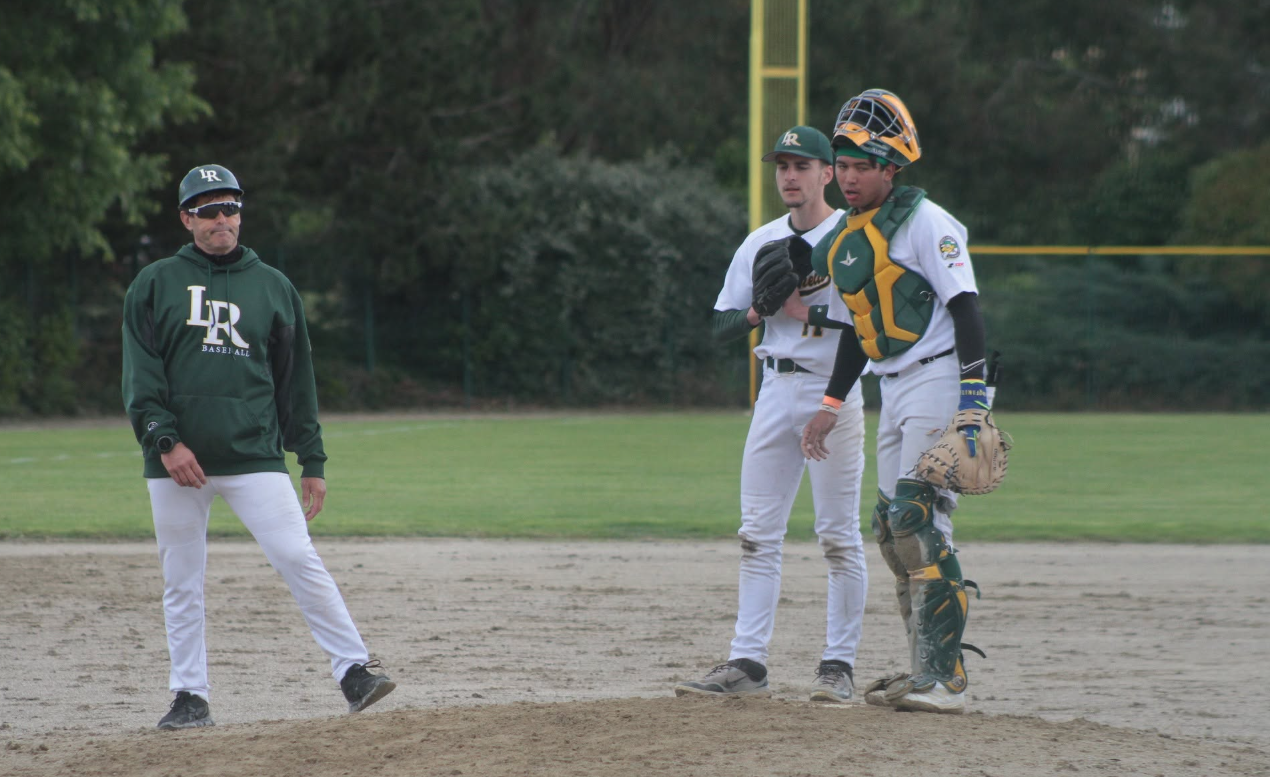
Cover: Romain Krzykawiak (Boucaniers La Rochelle)

React to this article
Community rules
Loading rules…