 ROU
ROU
 SAV
SAV
 PES
PES
 PHA
PHA
 REN
REN
 NAB
NAB
 COM
COM
 COL
COL
The Dark Side of Pitcher Power

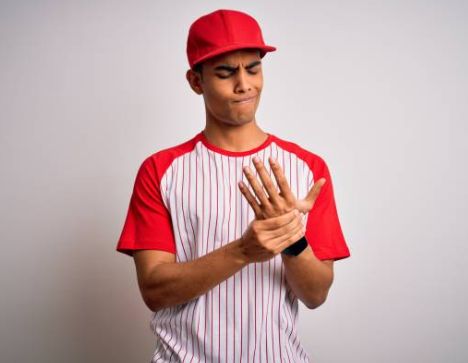
Over the past two decades, baseball has undergone a radical transformation thanks to technological advancements and the proliferation of new statistics. Major League Baseball organizations, or rather the entire baseball world, have embraced this data revolution, transforming the game through metrics that provide unprecedented insights into player performance. However, this statistical adoption is not without consequences. While data-driven strategies have revolutionized how we understand and play baseball, they have also inadvertently contributed to a concerning rise in pitcher injuries.

The Complexity of the Human Body: Beyond Newton’s Laws
In the realm of sports, it’s commonly accepted that success can be achieved by applying Newton’s laws of motion to the human body. However, this approach falls short when dealing with the complex and adaptable nature of human biomechanics. Unlike machines, the human body is inherently unique and intricate, requiring personalized approaches to optimize performance and health.
The biomechanics of pitching illustrate this complexity. Traditional training methods often favor standardized mechanics, ignoring the individuality of each pitcher’s body. This one-size-fits-all approach can be detrimental, as it fails to account for the distinct motor preferences ingrained in each athlete from birth.

The Rise in Tommy John Surgeries
The prevalence of Tommy John surgeries—named after the first pitcher to undergo the procedure—has skyrocketed in recent years. In just the last 40 months, approximately 500 such surgeries have been performed in MLB, with some teams experiencing over 25 to 30. Despite advancements in biomechanics labs and high-tech equipment, severe pitcher injuries continue to rise. This trend highlights a fundamental flaw in the current approach to pitcher mechanics.
Individual Motor Preferences: The Key to Healthy Pitching
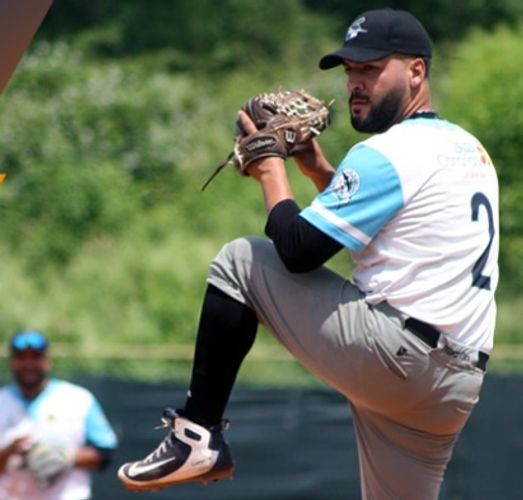
Each pitcher’s body has unique motor preferences that dictate the most effective and safe movements. These preferences are shaped by factors such as genetics, life experiences, and individual anatomy. Recognizing and respecting these natural tendencies is essential for developing healthy and effective pitching techniques.
Pitchers typically rely on either a hip or shoulder strategy for their movements, influenced by the flexibility of their spine. Additionally, they may have a vertical or horizontal orientation in their pitching mechanics. These factors determine the optimal release point and arm position, which are crucial for maintaining arm health and performance.

The Pitfalls of Standardized Mechanics
When coaches, instructors, and analysts impose standardized mechanics on pitchers, they often force athletes to move in ways that aren’t natural for them. This can lead to a host of issues, from decreased performance to severe injuries. For example, altering a pitcher’s natural arm position to achieve a better spin rate or pitch design can increase injury risk. Each pitcher has a unique way of generating power and controlling their pitches, and deviating from this natural method can be harmful.

The Role of Data Analysis in Modern Baseball
The advent of advanced analytics in baseball has introduced concepts such as pitch design, spin rate, and pitch tunneling. These metrics provide valuable insights but have also led to an overemphasis on achieving specific statistical benchmarks. As a result, pitchers are often trained to artificially manipulate their mechanics to improve these metrics, disregarding their natural motor preferences.
This data-driven approach has led to what is known as “analysis paralysis,” where pitchers focus so much on optimizing their metrics that they lose sight of their natural abilities. The obsession with data has overshadowed the importance of fundamental pitching mechanics and the individuality of each player.

Finding a Balance Between Analysis and Individual Needs
While analytics have brought significant advancements to baseball, it is crucial to strike a balance between data-driven strategies and the individual needs of players. Data should be used as a piece of the puzzle, not the sole determinant of how a pitcher should pitch. Understanding and integrating a player’s natural motor preferences can lead to healthier and more effective pitching.
An Argument for Individuality
Consider the example of a Double-A pitcher struggling with his changeup. By adjusting his grip to match his natural motor preferences, he transformed his mediocre changeup into a pitch with remarkable movement. This change not only improved his performance but also demonstrated the potential of considering individual motor preferences.
Conclusion: Rethinking Pitcher Development
The rise in pitcher injuries underscores the need to rethink our approach to pitcher development. Coaches, analysts, and trainers must prioritize understanding and accommodating the unique motor preferences of each player. By doing so, they can help pitchers reach their full potential while minimizing injury risk.
Baseball is an individual game, and each player’s success depends on their ability to leverage their natural strengths. As we continue to explore the intersection of data analysis and human movement, it is essential to remember that the most effective and healthy pitching comes from recognizing and accepting the complexity and uniqueness of each athlete.
Steve Janssen
Website: here


1 comment
-

Ancien membre
See the 1 commentEntierement d’accord !
Community rules
Loading rules…