 ROU
ROU
 SAV
SAV
 PES
PES
 PHA
PHA
 REN
REN
 NAB
NAB
 COM
COM
 COL
COL
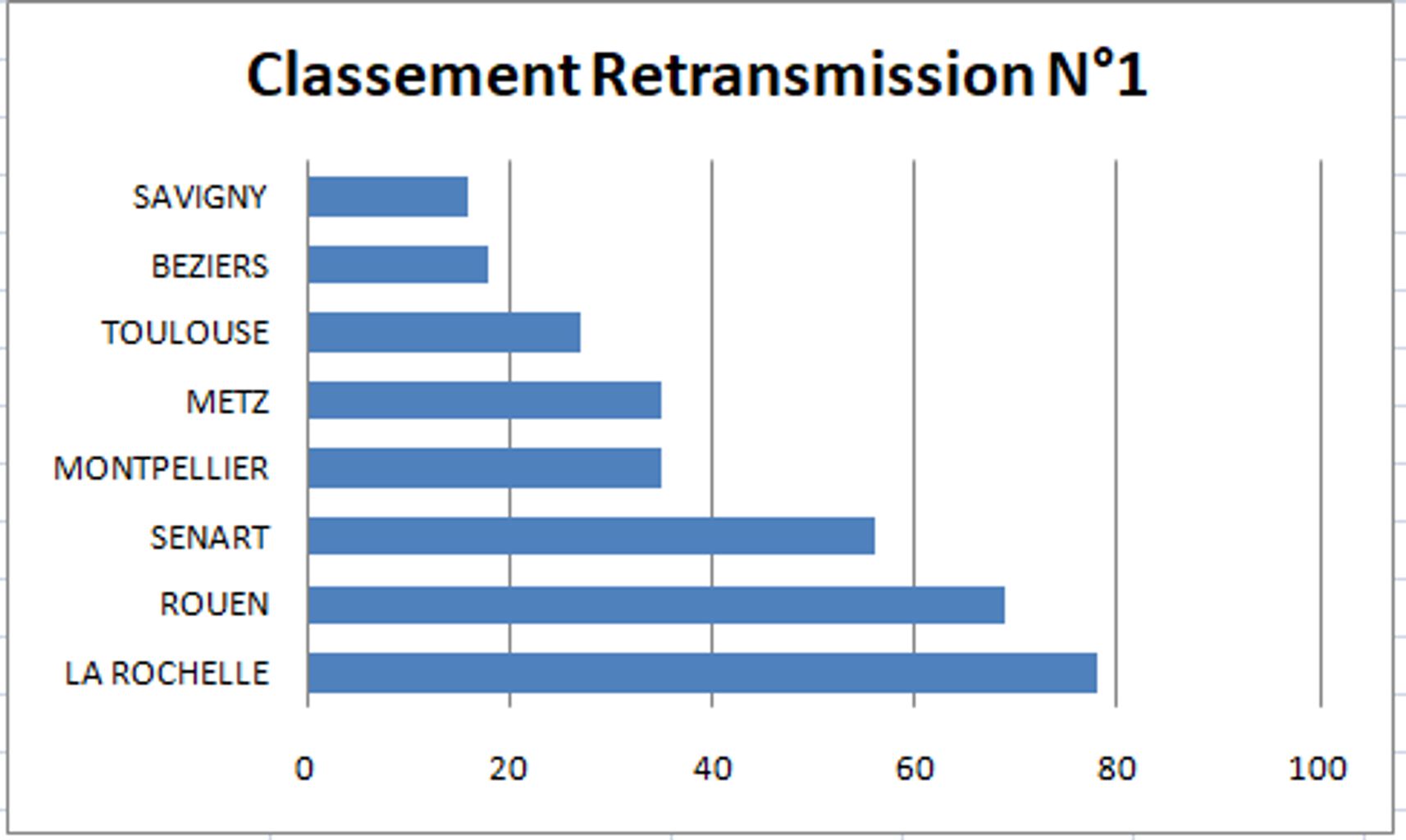
The Broadcast Rankings

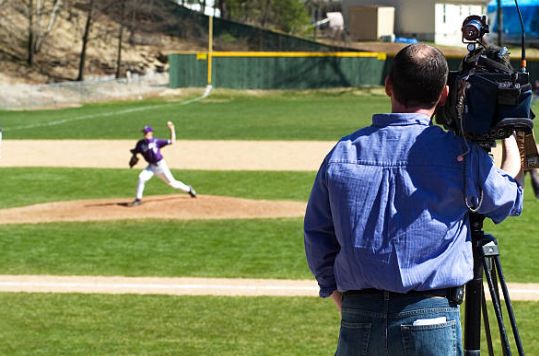
Division 1 finally steps up its game
It took until the 7th matchday of the season, but it’s finally done: all Division 1 clubs have now aligned with the federation’s broadcasting requirements. A major step forward for French baseball, which finally offers full visibility to its flagship championship. This shift to full broadcasting isn’t trivial—it responds to clear strategic goals, which we’ll recap before analyzing the successes—and a few hiccups—of its implementation.
🎯 The goals of D1 broadcasting: ambition and showcase
The Federation has never hidden its intentions:
• Showcasing the French elite with a broadcast quality worthy of the name.
• Attracting new players, drawn in by the power of a coherent, fast-paced, professional media product.
• Engaging and connecting a passionate community, no matter where they are in France, no matter the matchup or the field.
📋 Federal minimum requirements now met
The rules are simple:
• A fixed camera behind the backstop.
• Live scoring.
Good news: all clubs now meet these minimum requirements. A first victory.
But the devil is in the details. While the standard is met, the user experience still varies considerably.
📸 Cameras: angle isn’t everything, but it helps
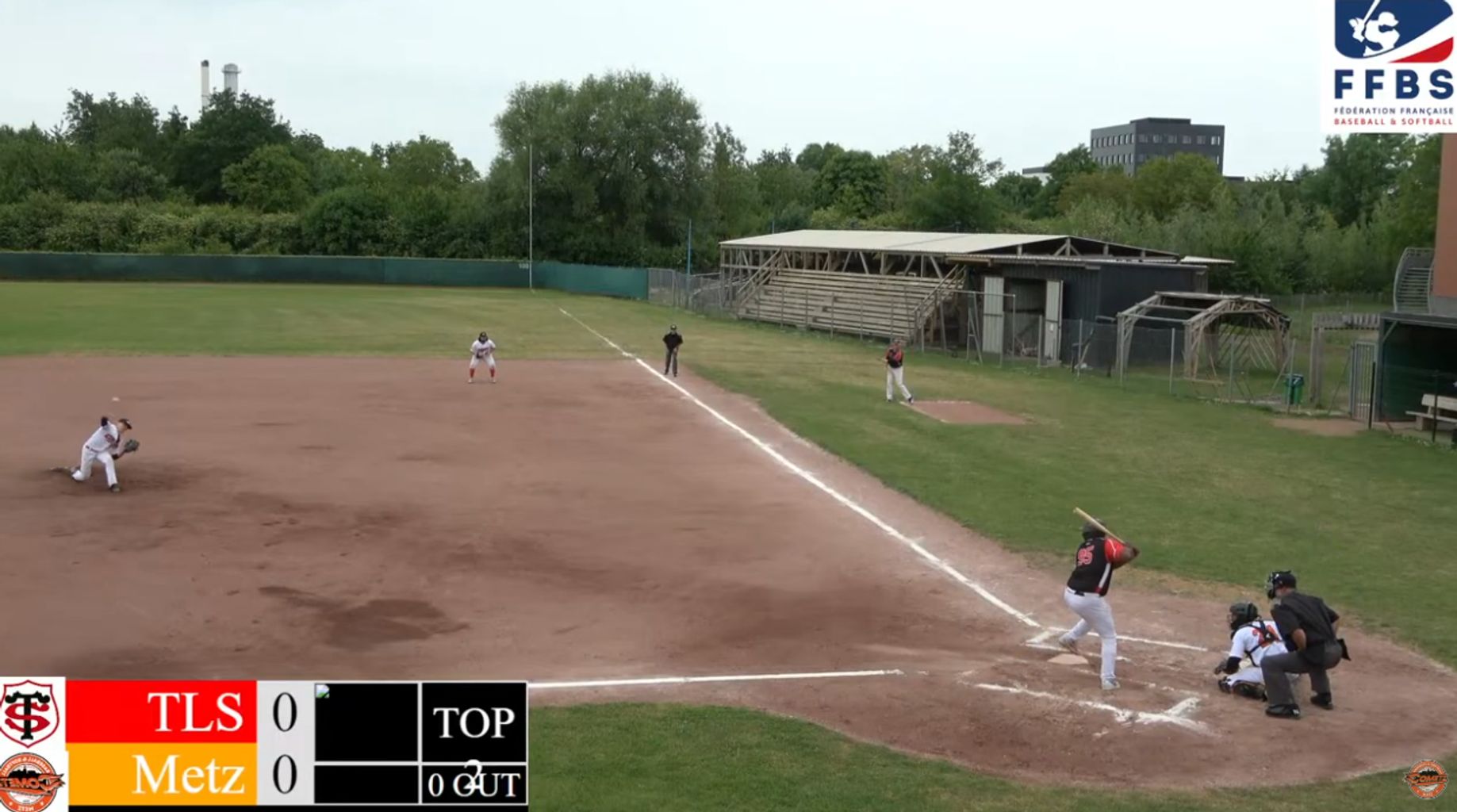
The famous backstop camera, mandated as the base angle, doesn’t always do justice to the game’s readability. Some clubs, like Metz, have innovated by offering side or elevated angles, far more readable for the average viewer. Choices to applaud, which could inspire a future revision of the federation’s guidelines.
🎙️ The lack of commentary: a persistent black spot
A match without commentary is like a song without melody. And yet, half of the clubs still broadcast without any commentary. The example of Sénart is telling: flawless production, multi-camera, but total silence. Result: a technically impressive broadcast, but emotionally flat.
On the other hand, the four clubs that have taken the step of adding commentary offer a live experience that gains in rhythm, clarity, and intensity. The experience is simply more engaging.
📊 Scoring: from useful to visually indigestible
Another point of attention: the integration of scoring on screen. While all clubs broadcast live scores, the quality of the display varies. Too large, poorly placed, sometimes in error, the score box is still a work in progress. The visual standard should prevail: a discreet format, in the top left of the screen, as already practiced by the most advanced.
🌐 Connection: 5G as a lifeline
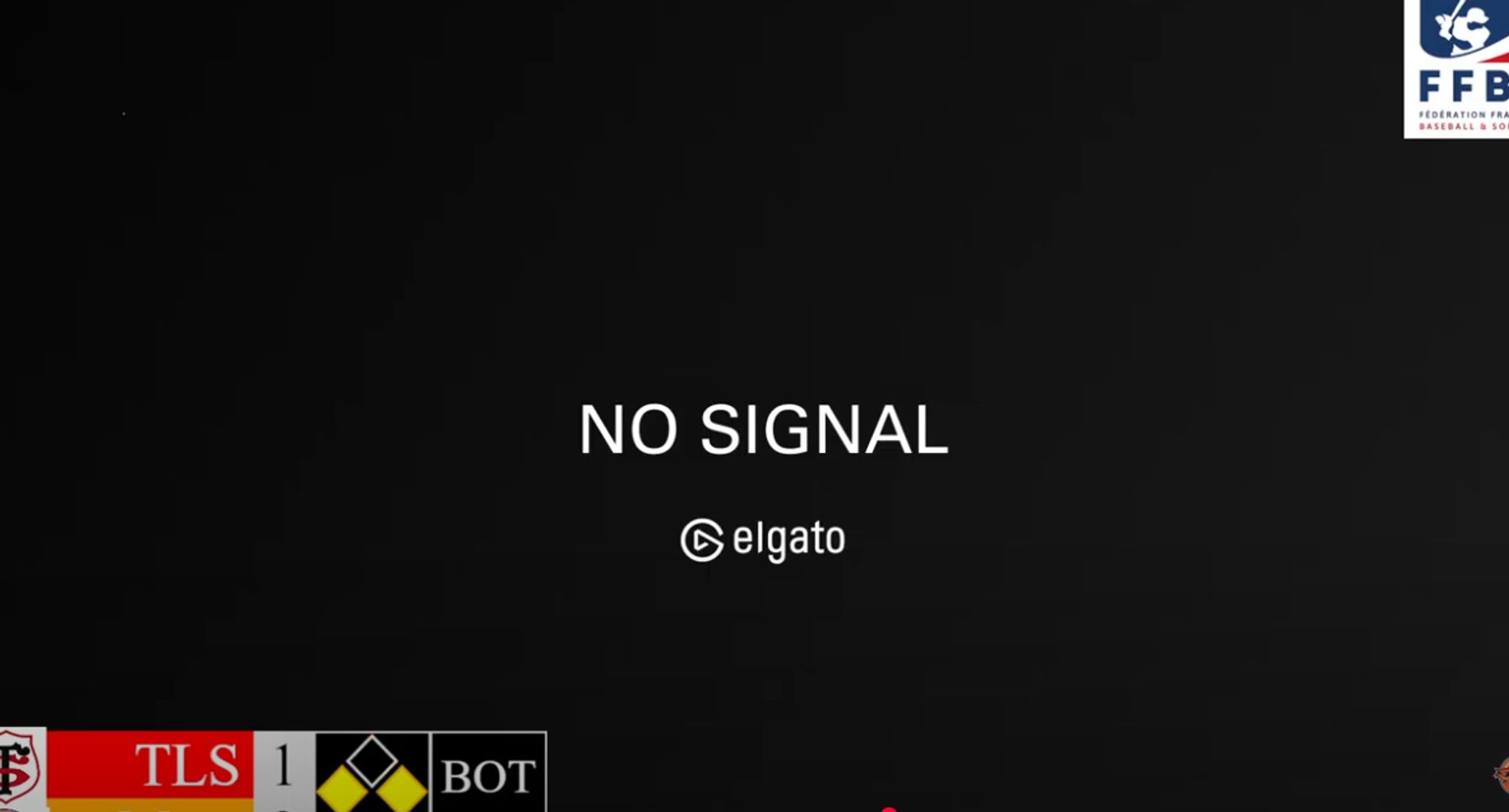
It’s hard to deliver a reliable product without a stable stream. Here again, all clubs have faced technical issues. Wifi, even fiber, or shared connections, often prove insufficient.
The best combo so far? A 5G key on a dedicated router, not shared. It’s currently the only solution that guarantees sufficient stability for a smooth, uninterrupted broadcast. Other problems with electricity, chargers can also diminish the success of the broadcast.
📺 Platforms: between freedom and vulnerability
Most clubs broadcast on YouTube or Twitch, two popular platforms rich in features (replay, chat, subscriptions). But they also come with their risks: Montpellier fell victim to this, its Twitch channel suspended for music rights violations.
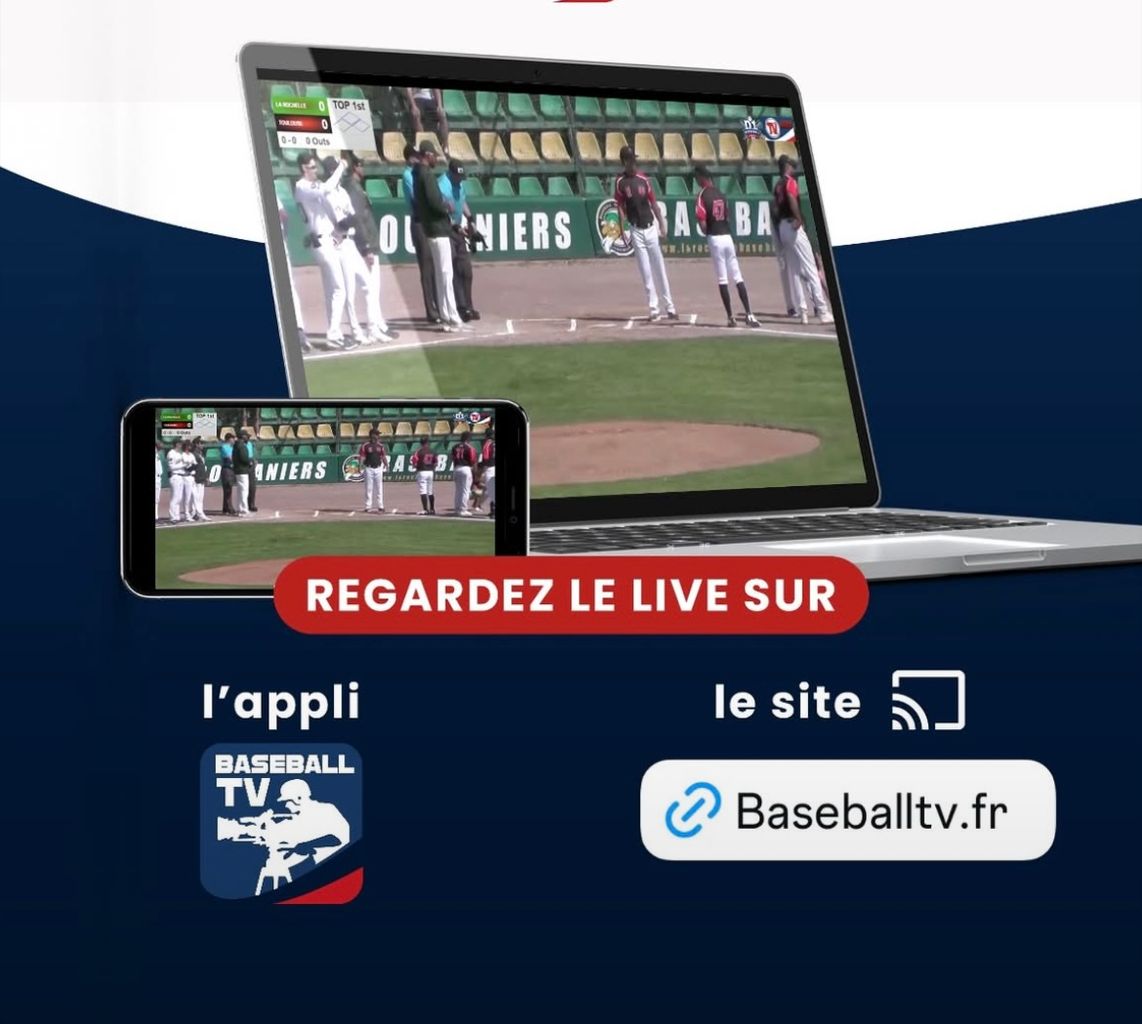
Three clubs made a different choice: the French platform used by Baseball TV France. Free, dedicated, secure, it broadcasts via a mobile app and the website www.baseballtv.fr, with an integrated chat box. A solution to keep an eye on, at the disposal of the federal system.
📊 Balance: an evolving ranking, clubs on the rise
As three clubs that had previously lagged finally join the fray, the D1 broadcasting landscape is gradually becoming more uniform. It’s not the MLB yet, but the qualitative leap is real.
The mirage of professionalization: French baseball seeks its voice (and its means)
Baseball in France continues to seek its place in the sun—and incidentally on our screens. Two recent coups could have marked progress in the sport’s broadcasting… if they hadn’t mainly highlighted the glaring limits of a shaky model.
First feat: the broadcast of the final of the French Softball Challenge on Sport en France. A nice gesture, made possible thanks to well-targeted subsidies. Except that here’s the thing, these exceptional resources can’t become the norm. Imagining a complete championship or even an entire tournament broadcast in this way is budgetary utopia. And it’s not the audience curve, which didn’t exactly set the counters on fire, that will plead for massive investment.
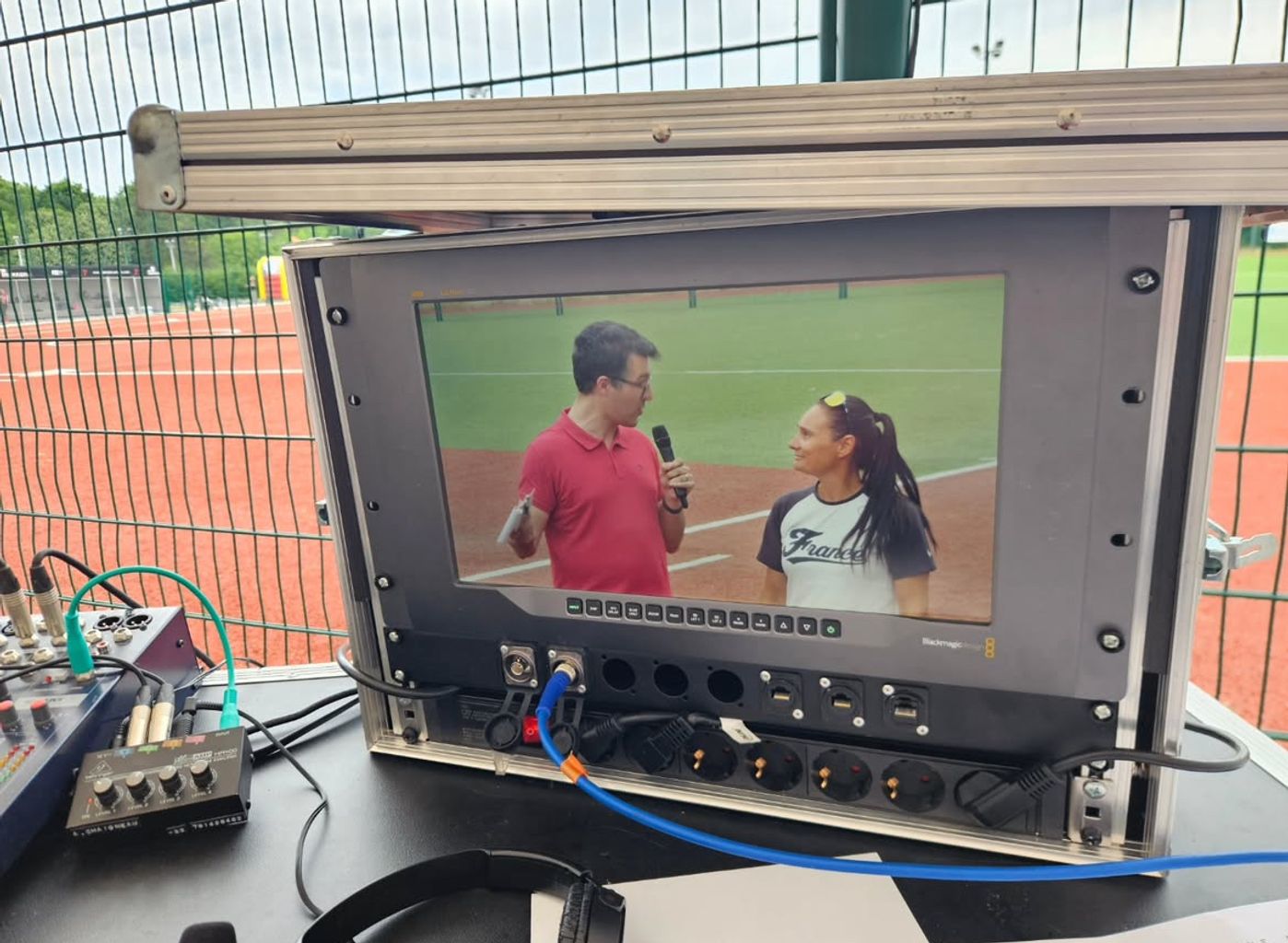
Second example, even more bitter: the European Baseball Cup in Rouen. A paid broadcast on baseballeuropeTV (around €4 per match), production handled by the volunteers of Huskies TV, without a penny for their trouble, and commentary imposed… in English. Also provided by French volunteers, always motivated—but prevented from speaking to their own audience. Result: an event organized in France, by the French, for foreign spectators, while the French fans remain on the bench, held back by price and language.
Professionalization? The word seems too grand for a system that still relies on the arms, voices, and passion of a few diehards. In the meantime, we keep improvising.



12 comments
-

Damien TEYGEMAN
-

Ancien membre
-

Damien TEYGEMAN
-

Ancien membre
-

Glenn Gervot
See the 12 commentsOui nous nous verrons donc dans cette commission . En attendant gardez à l’esprit que les clubs font ce qu’ils peuvent. À l’époque de Stadeo.tv CHAQUE retransmission nous coûtait au minimum 3000 eur de dépenses. Les technologies et l’environnement économique ont totalement changée .
@Damien TEYGEMAN Bonjour, merci de votre volonté de faire progresser la retransmission que nous partageons. La fédération, qui a imposé sûrement trop vite pour les clubs, a proposé enfin un groupe de travail sur la question afin d’aider les bénévoles comme vous et nous à mieux réussir cette partie retransmission. Si la coupe d’Europe avait fait parti des critères de classement, Rouen aurait été premier du classement.
De stadeo à aujourd’hui, de nombreux pas ont été franchi et d’autres encore viendront offrir aux téléspectateurs la qualité qu’ils attendent.
Bien à vous
Pour moi cet article (en vous promulguant à première place du podium comme des affranchis Italien) est tout aussi amateur que les clubs que vous pointez du doigt inutilement.
Réveillez vous un peu ! Pour faire avancer les choses il ne suffi pas de faire un « Classement » … Essayez un peu de penser aux pauvres clubs qui essaient au moins de faire quelque chose … Le baseball Français manque de moyen et de bénévoles pour faire tourner une aussi grosse machine qu’un livestream.
Et désolé de vous décevoir mais je ne vois pas en quoi le Live de Larochelle mérite son « haut podium »…
Tous les clubs font ce qu’ils peuvent avec leurs moyens et la volonté de leurs bénévoles.
Personne n’avancera tant que vous continuerez à jouer les donneurs de leçon !
À Sénart, ce week-end il n’y aura pas de live, fautes de bénévoles . Vous pouvez nous mettre en bas tableau ! On ne diffuse pas pour BFTV , on diffuse pour ceux qui veulent voir du baseball.
Voilà voilà ! Good Games à tous ! Ce week-end #wearefamily 😉
@BTVF sauf que nous ne sommes jamais cité dans ce genre d’article. Ca n’est pas pour savoir si nous sommes mieux ou moins bien mais par ce que nous nous donnons beaucoup de mal pour essayer de faire quelque chose de bien et la promotion d’un média tu le sais c’est importent. Et c’est fatigant d’être toujours celui qui est oublié.
@John Connors
Community rules
Loading rules…