 ROU
ROU
 SAV
SAV
 PES
PES
 PHA
PHA
 REN
REN
 NAB
NAB
 COM
COM
 COL
COL
The Pitcher's Choice

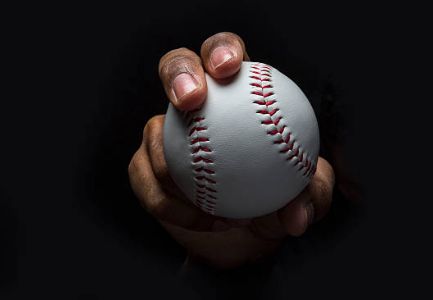
Curveball or fastball: France lags in tracking pitches
In Division 1 stadiums, it’s impossible to know the speed or type of pitch thrown. A statistical blind spot that contrasts with international standards.
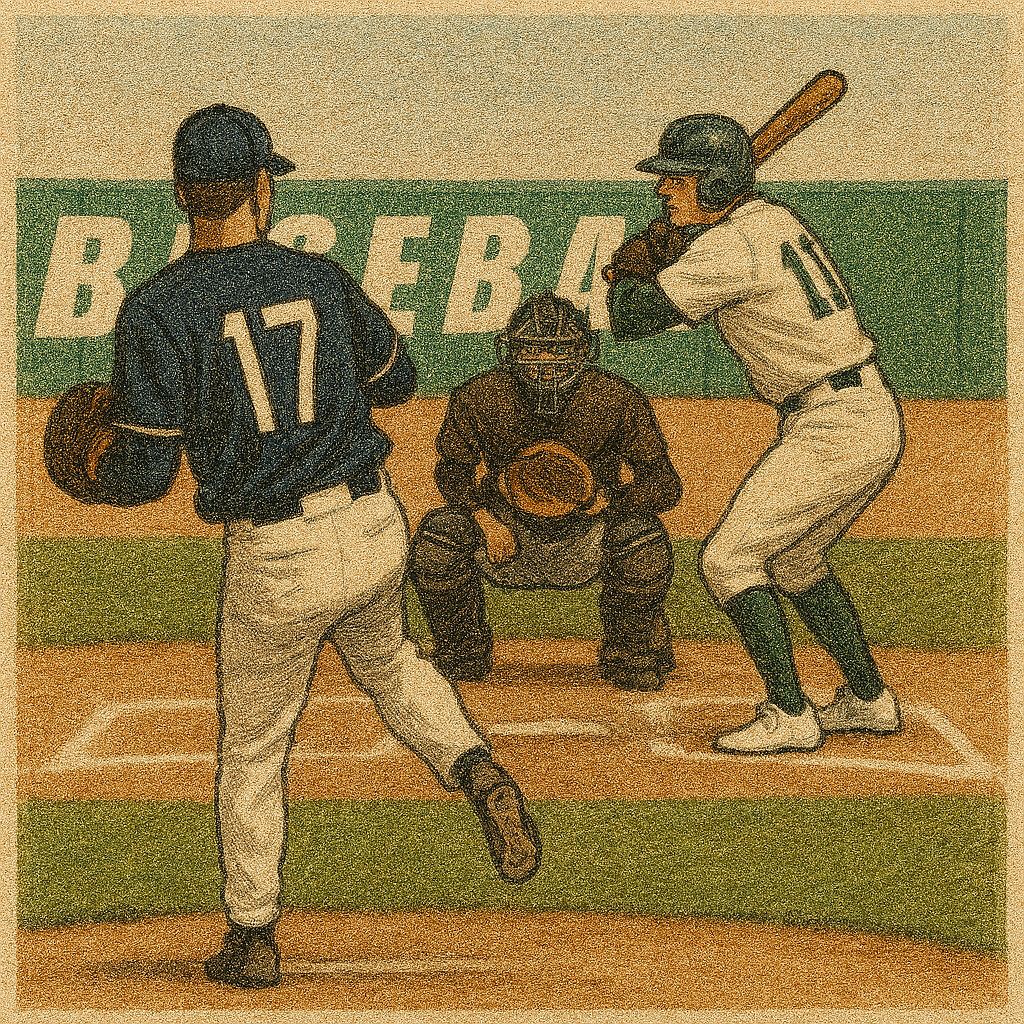
On French championship fields, pitches remain a mystery. Unlike Major League Baseball (MLB), Division 1 isn’t equipped to qualify, let alone quantify, the pitches that unfold inning after inning. Only a few daring commentators dare to identify, by ear and naked eye, a fastball or a curveball. But without radar, without screens, without an official tracking system, everything remains conditional.
We fondly remember the broadcasts at Sénart, where a connected radar displayed the pitch speeds live on the scoring screen. Technology worthy of the MLB… today relegated to the past. To find these precious data again, we would need an organization worthy of the major leagues: a dedicated operator with the scorers, a digital radar per club, and a federal will to pool purchases to guarantee quality and homogeneity. An idea to whisper to the sports commission?
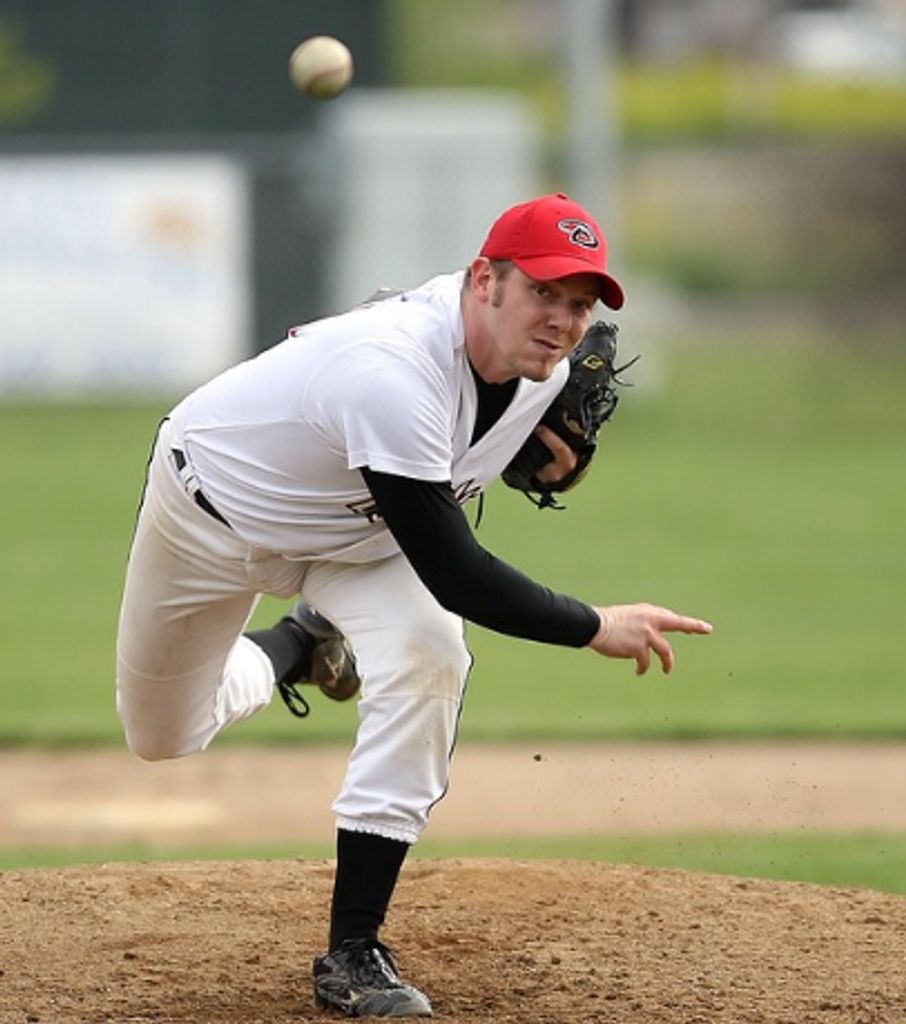
The radar revolution: a matter of tempo
Even in the United States, speed radars didn’t officially become part of the statistics until 2008. Since then, the transformation has been radical. The profile of the modern pitcher tends in one direction only: velocity.
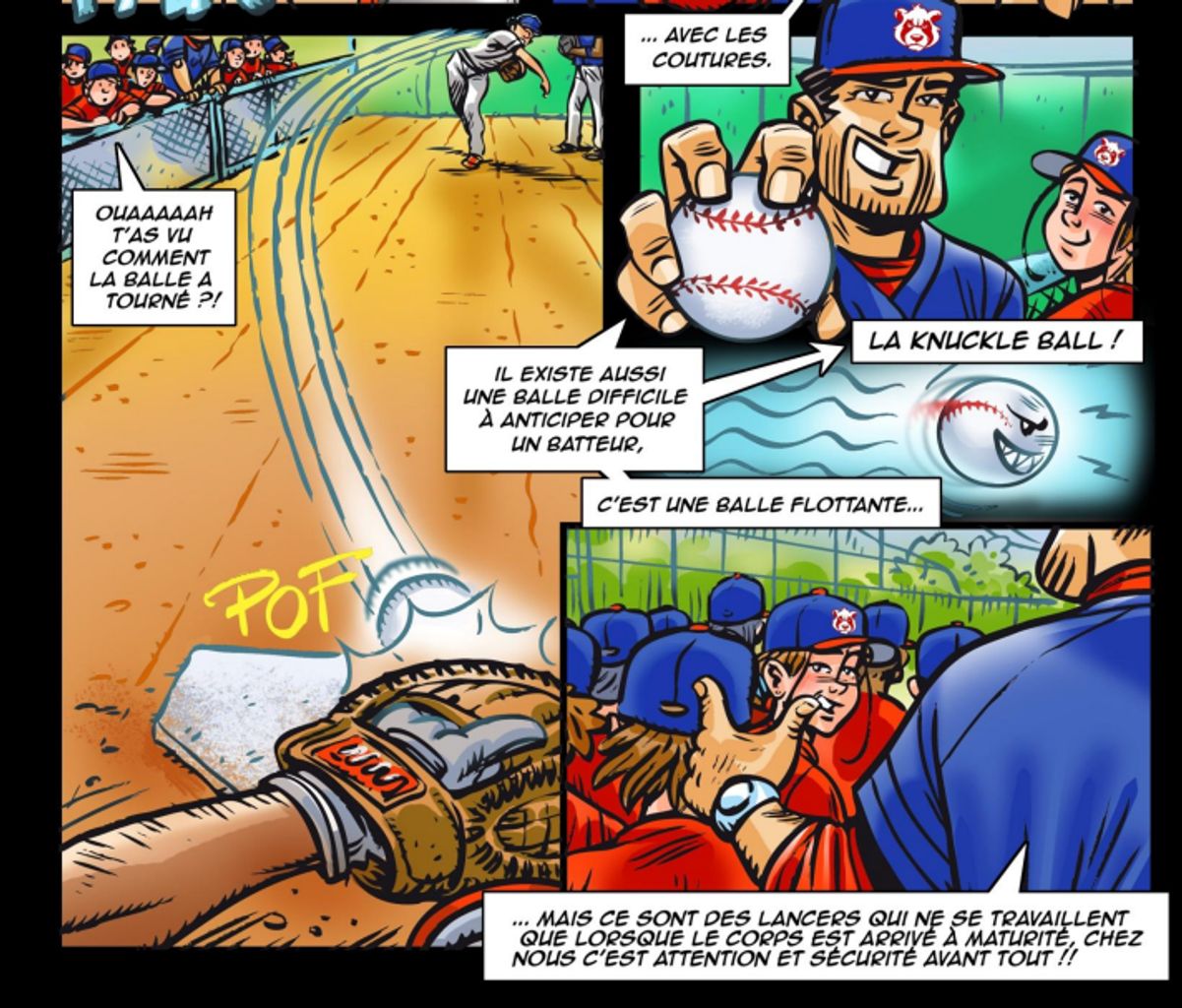
The types of pitches are well known: fastball (fast), slider (slider), curveball (curveball), and knuckleball (knuckleball). Others, more exotic, exist on the margins. Logic would have it that each type finds its place according to the context of the duel with the batter. But the numbers show a clear shift towards speed. The first two pitches (fast and slider) hover between 85 and 106 mph, while the other two (curve and knuckle) stay below.
The statistics confirm the trend: in five years, curves and knuckleballs have gone from 11% to just 8% of pitches. The radar has become an unforgiving judge. In 2008, there were barely 220 pitches exceeding 100 mph. Today, there are nearly 4,000 per season.
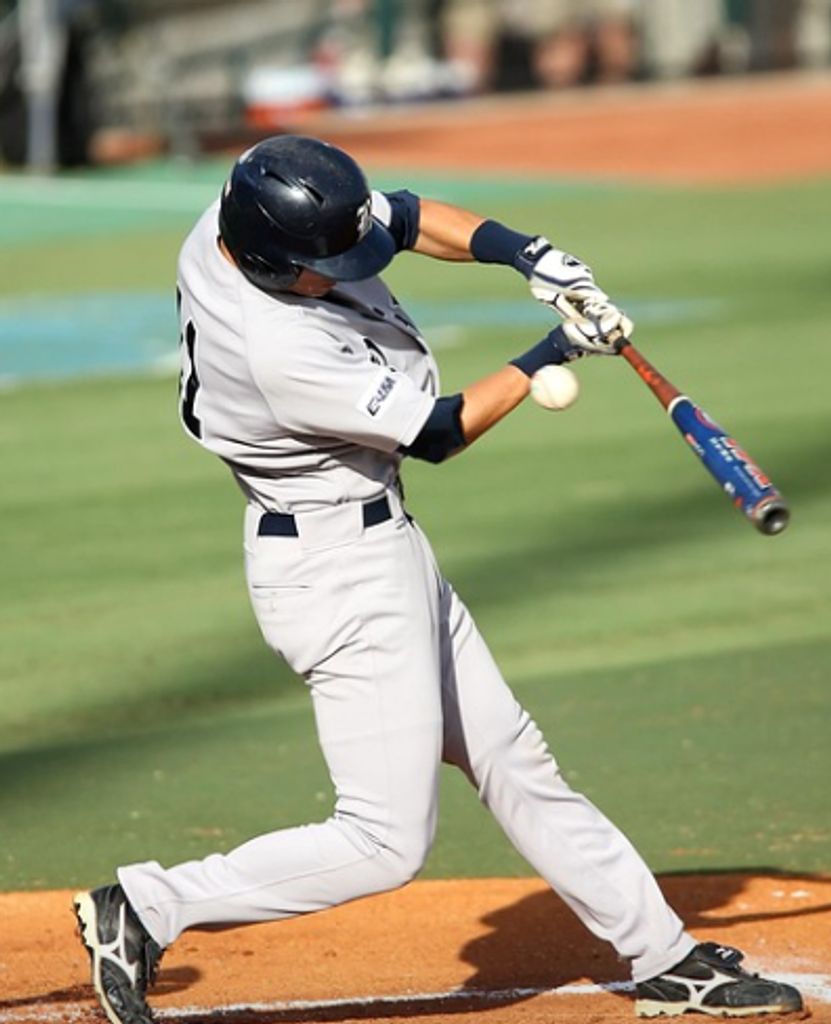
Efficiency or fad?
Curiously, this choice isn’t dictated solely by efficiency. Indeed, the batting average against curveballs is .225, compared to .265 for fastballs. The curveball is therefore objectively harder to hit. Yet, coaches and pitchers favor the fastball, especially to finish at-bats with flair.
Why? Because the fastball allows for spectacular strikeouts, with swings and misses high or low in the zone. Because the thrill of the radar going wild becomes a symbol of dominance. Because in the collective imagination, power impresses more than finesse.
Yet, baseball doesn’t forget its curveball masters. Clayton Kershaw, an icon of the Dodgers, just recorded his 3,000th strikeout with his famous curveball, a celebration far more striking than the 104 mph of prospect Raimon Gomez with the Mets, or even those of Aroldis Chapman with the Red Sox.
And what about France?
Here, no radar, no stats, but a visual observation: no French pitcher trained locally (JFL) seems to reach the speeds of foreigners in D1. Yet, hope exists. Our best arms have already left for abroad.
Mathias Lacombe, under contract with the White Sox, hovers around 96 mph.
Quentin Moulin and Nicolas Antoine, playing in Germany, reach 93 and 90 mph respectively.
The next generation is preparing. They may learn elsewhere than in French schools, but they could well bring back with them the science of the modern pitch. Provided that France finally knows how to observe, measure… and invest.


6 comments
-

David Ten Eyck
-

Ancien membre
-

Ancien membre
-

Pierre57
All-Star
-

Ancien membre
See the 6 commentsPitch tracker / radar, etc, ce sont avant tout des outils d’entraînement. Pensez au prix que ça coûte, et comparez à tout ce qui reste à faire pour le baseball français. Et puis, en tant que téléspectateur – qu’est-ce qui est plus ennuyeux qu’une simulation de la trajectoire d’un pitch? Ou un commentateur qui s’attarde sur les données d’un radar? Mettons plutôt l’accent sur le coaching ‘hands on’ et le storytelling
Et concernant le radar de senart, sauf si il a été vendu il y est toujours. C est Thomas qui m avait trouvé sur eBay, il y a parfois de bonnes affaires la dessus. Je dois pouvoir retrouver les références si quelque un les veut. La mise en œuvre n est pas simple, mais l’usage l’est beaucoup plus
Quasi plus personne ne lance la knuckle ajd donc pas grand intérêt d’en parler sans aborder les lancers plus communs ajd comme sinker, cutter, splitter, sweeper…
C’est bizarre de parler de fastball sans parler de change up. Ces 2 pitchs sont complémentaires. Et la change up est le 3eme pitch le plus lancé en mlb (loin devant la knuckleball) . La courbe est la plus difficile à frapper mais la plus difficile à contrôler . Sa localisation étant plus aléatoire les pitchers ont plus de chance de lâcher un mauvais pitch avec ce lancer . Finir les @bat avec panache ? Sérieusement ?
Est ce que le culte de vitesse pure est vraiment une bonne idée ? Aux US, la vitesse est un élément essentiel mais pas suffisant, les effets, les spots, … c est une approche globale qu il faut … je me souviens d un ricain a un challenge qui lançait à 99 (mesure sur le radar de la Fede …), et bien il a lancé 2 manches car oui cela arrivait vite … mais n importe où … et le nombre de BB était au final important … comme
Le dit une célèbre publicité : sans contrôle, la puissance n est rien …
Community rules
Loading rules…