 ROU
ROU
 SAV
SAV
 PES
PES
 PHA
PHA
 REN
REN
 NAB
NAB
 COM
COM
 COL
COL
Baptiste Blancot

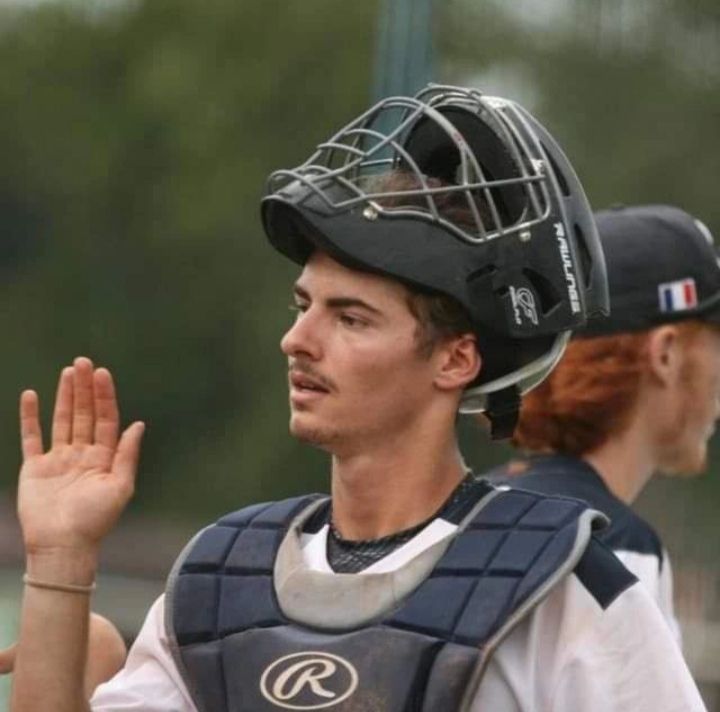
Baptiste Blancot’s incredible journey!
While France implements the JFL rule (and you’re savvy enough from BaseballTV to know what that means), several of our young talents haven’t hesitated to cross the Atlantic to try their luck in Uncle Sam’s country.
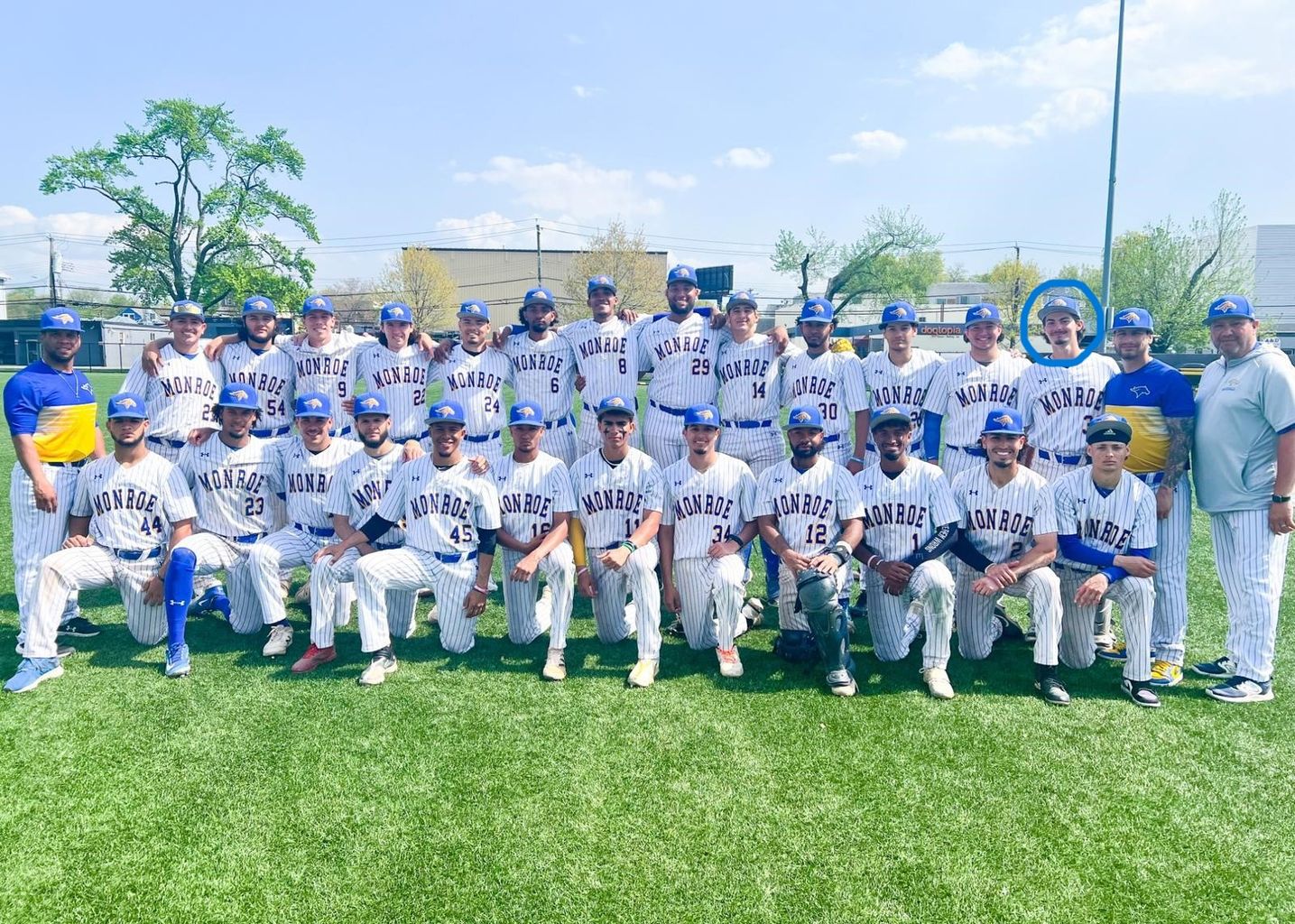
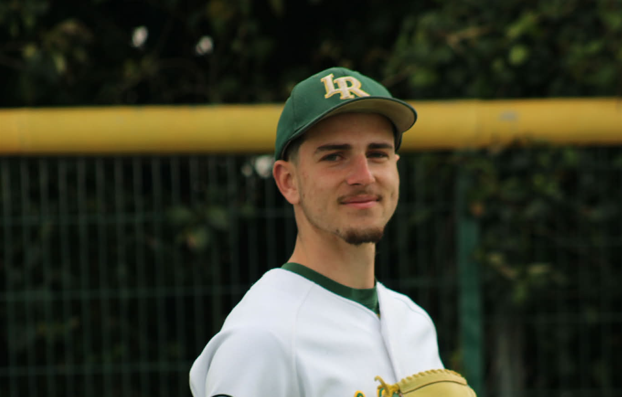
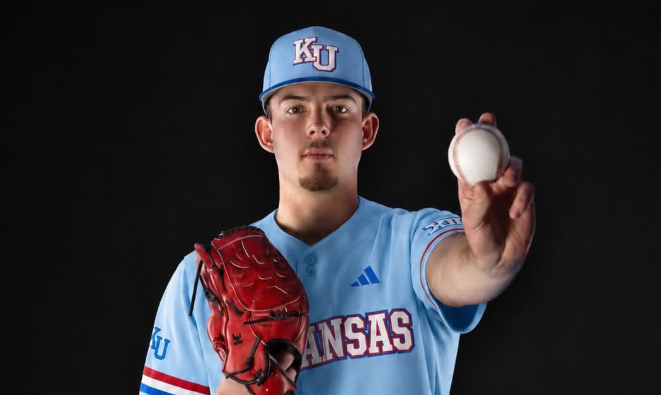
Among them, Baptiste Blancot has just finished his first season with the Monroe Mustangs, based in New Rochelle, New York. Following in his older brother’s footsteps at the Périgueux Angels, Baptiste is galloping toward his destiny at full speed!
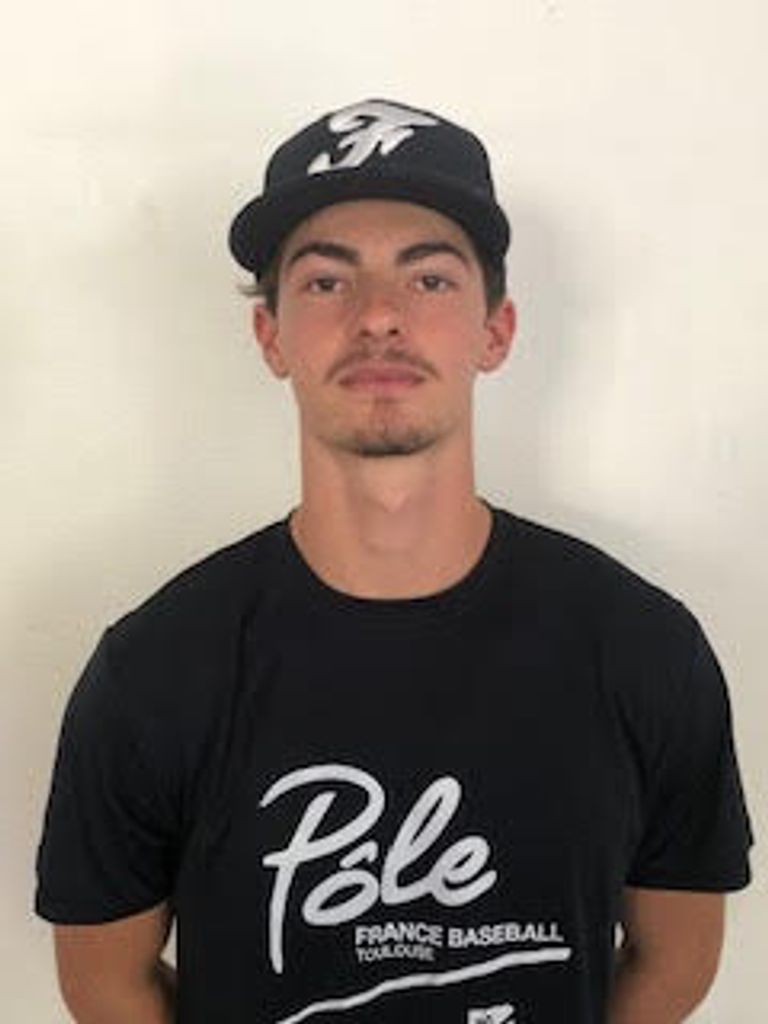
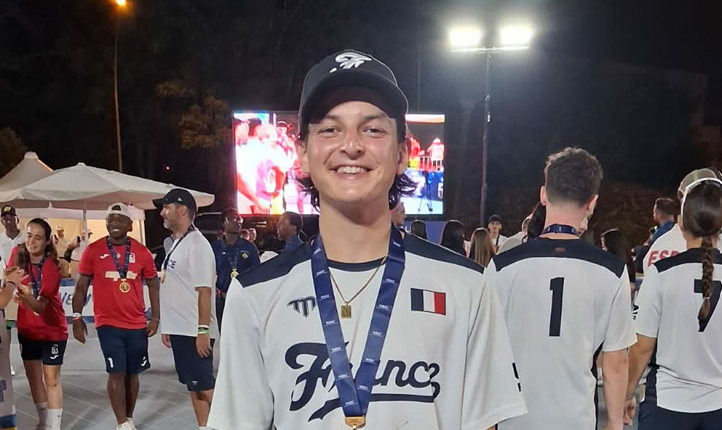
In just ten years, he’s gone from the Nouvelle-Aquitaine team to the Bordeaux Espoir Pole, then to the France Pole in Toulouse. He’s played for the Montigny Cougars and his current club, Stade Toulousain. A member of the French national team since the 12U category, he’s strung together performances that caught the eye of the Monroe College coach last year.
The Stade Toulousain announced his return and his presence for the matches against the Cometz. Wearing the number 14, Baptiste Blancot appears in the lineup. Two matches on the Cyclones de Fénay’s home turf for an eagerly awaited return to French D1.
I take the opportunity to ask him for a few minutes of his time. Without getting on his high horse, he responds to my requests with kindness and simplicity.
BTVF: How does one go from the Bordeaux Espoir Pole to a college in the United States?
The path is long! First, I think the prerequisite is to go through the France Pole in Toulouse and then you have to talk to American coaches, send them videos. You also need stats, show them what we call “tools”: strong throws, fast running, hitting in situations, etc. And then you have to catch a recruiter’s eye, talk to them, negotiate the scholarship…, until you get the chance and opportunity to go there.
BTVF: You’re at Monroe College in New Rochelle. Did you know about this establishment?
Not at all! Boris Rothermundt told me about it. He said Monroe was interested in my profile, that I should get in touch, talk to them, and then I looked to see if it fit with my project, if the connection was good with the coach. In fact, I didn’t think too much about it, I just went for it. Opportunities are rare, so you have to seize them when they come along!
BTVF: What’s the American view of Europe?
They won’t necessarily come to us; it’s harder for them to see us. They’re not necessarily interested in European players, so we, as European players, have to contact them, and then if they’re interested, they’ll open the discussion.
BTVF: And what about your profile, what made the difference for you?
I think it’s my defense that’s interesting, and then what they like about us in Europe is that we’re structured, rigorous players. For example, with the training schedules at Monroe, we had some problems with some players; the coaches like the discipline we have in Europe. I think that’s a factor that helps us catch the eye of some coaches.
BTVF: What differences have you noticed in terms of structures between the United States and France?
Well, in the United States, everything is focused on sports, really everything! Most of the people who go to colleges, I’d say 50% of them, are there to play a sport! We have access to everything! The facilities we have in the CREPS in France, we have the same in a college, in almost all colleges in the United States, including a medical staff! And then, there’s a buzz around the college sports teams: in the evening, when you win, you come back, and everyone is happy, from the teachers to the cafeteria staff. It’s taken a bit more seriously, I’d say.
BTVF: What do you miss the most in the USA?
(the answer comes quickly) French food! That’s what’s been the hardest, I think… yeah, the food!
BTVF: On the France team, there were three matches against Germany, all ending in defeat. What’s missing for France to play a leading role in Europe and worldwide?
First of all, I want to clarify that we have all the talent we need, we have the facilities. But we need to play more! Here, it’s cold half the year, it’s hard to play; yet that’s the key! Playing as many matches as possible in the season.
In the United States, when we’re college players, so in our twenties, we play about sixty matches in three months. That makes all the difference! In terms of the training pipeline, we have everything we need, we’re very well supported by the France Pole, which does a fantastic job for us. And then we’re lucky to have access to superb facilities, it’s a privilege that we need to take advantage of.
BTVF: Do you have any more matches to play with the Mustangs?
No, the season is over with Monroe. So, I was able to cross the Atlantic. The season is over, the classes are too; I’m taking classes in Sports Management. Therefore, I came back as soon as possible to be able to play with Toulouse.
BTVF: What are your medium and long-term goals?
It would already be to have more playing time with Monroe College and of course to perform there, as well as to perform in D1 with Toulouse and with the France team. Being able to represent France and win medals would be amazing! And then I’d like to continue in a college in the NCAA. It’s still far off, but the idea is to finish at the top, why not be drafted! That’s the goal for everyone who’s there. Then depending on my career, we’ll see what happens, either I stay in the USA or I come back to France. But I love France, I love Europe a lot.
(NDLR: Monroe College is affiliated with the NJCAA – National Junior College Athletic Association. The NJCAA and the National Collegiate Athletic Association (NCAA) govern collegiate sports. The NCAA oversees four-year colleges and universities, while the NJCAA governs two-year colleges only).
Sébastien DONDE.
Photo credits: FFBS website, Monroe College website, Trélissac city Instagram page.
React to this article
Community rules
Loading rules…