 ROU
ROU
 SAV
SAV
 PES
PES
 PHA
PHA
 REN
REN
 NAB
NAB
 COM
COM
 COL
COL
The Orange Ball

Baseball adopted white, softball yellow, baseball5 yellow, and cricket red. The color of these balls matters. You, who train with balls that start pristine and end up brown until the stitching gives way, know how to appreciate the whiteness of the ball in a competitive match.
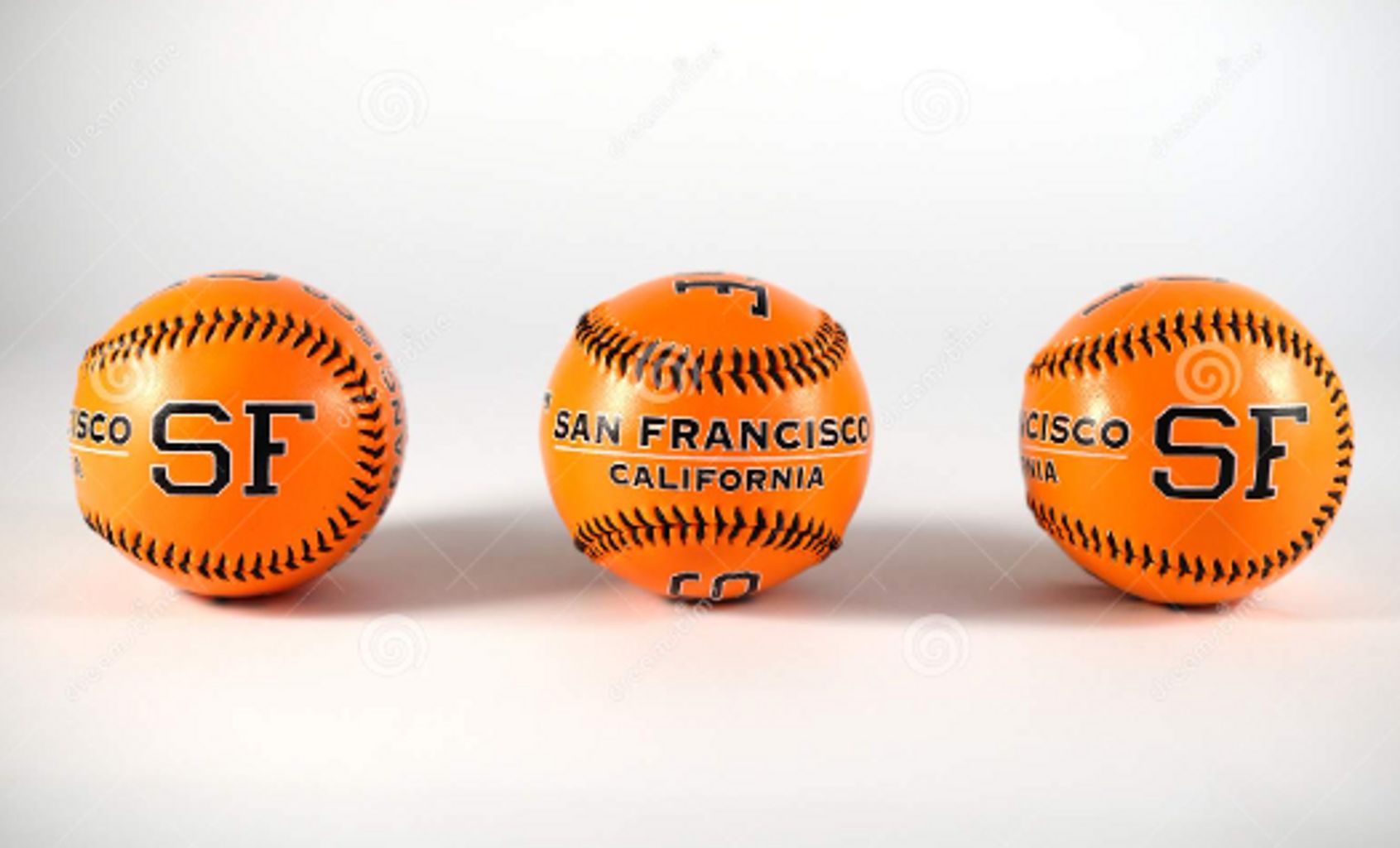
If you’re lucky enough to play on a well-lit field, as night falls, you’ve noticed that yellow stands out better than white. It was with this in mind that an insurance magnate, at the beginning of 1963, launched the concept of the orange ball. Charles Finley wanted the orange ball to replace the white ball for night games.
Let’s revisit this iconoclastic story. Charles Finley had recently become the owner of the Kansas City Athletics franchise. His idea of coloring the ball orange, like using green bats, didn’t last long.
But ten years later, change was in the air—and Finley finally had the chance to make it happen.
The Athletics had moved from Kansas City to Oakland and, thanks to local talents like Vida Blue, Jim “Catfish” Hunter, and Reggie Jackson, had become a powerhouse, winning the American League West in 1971 and the World Series the following year. Finley had become a force to be reckoned with among major league owners. The green and gold uniforms of the Athletics—launched in Kansas City—sparked a wave of color in other teams. His vision of night World Series came to fruition in 1971. And the American League owners approved his idea of a designated hitter for the 1973 season.
Finley managed to persuade the American League officials and the Indians to use the orange balls in a spring training exhibition game on March 29, 1973.
“After a long discussion with Mr. Finley, (owner) Nick Mileti and (manager) Ken Aspromonte, we concluded that the idea at least deserved further study,” said Phil Seghi, the Indians’ general manager. “The results could be interesting.”
Catfish Hunter faced the Indians’ ace Gaylord Perry, but anyone expecting a pitchers’ duel was almost instantly disappointed, as the offensive explosion Finley had promised indeed occurred, with 27 hits and 16 runs. Six home runs were hit, three by George Hendrick, who had arrived in Cleveland five days earlier with catcher Dave Duncan in a trade that sent Ray Fosse and Jack Heidemann to Oakland.
Hendrick couldn’t perceive the rotation of the ball because the balls were dyed orange—including the stitching, so batters couldn’t use them to follow the ball’s rotation. As it was an exhibition and a relatively small number of balls were used, Spalding, the manufacturer, dyed the balls, didn’t tan the skins orange, and didn’t use the usual red stitching.
The orange balls did one thing Finley had promised. They were easier to see. “The orange ball looks like a balloon to me,” said Yankees scout Roy Hamey, who was present at the game. Bill Rigney, in the A’s broadcast booth, also said it looked bigger.
“It’s still too early to make a definitive judgment,” said Mr. Kuhn. “The only thing I’m sure of is that it’s harder to sign autographs.”
The balls were used again in an exhibition game on April 2 in Palm Springs, California, against the Angels, won 8-3 by the Athletics. The event was just as poorly received as the previous week. “It reminded me of an Easter egg,” said Clyde Wright, the Angels’ starter. “I wanted to hide it.”
During the exhibition games, fans reacted extremely positively to the orange ball. Umpires also attested to the advantages of the orange ball, stating that it was not only easier to see from behind the plate but also resulted in more hits and fewer fielding errors during the exhibition games in which the orange ball was used.
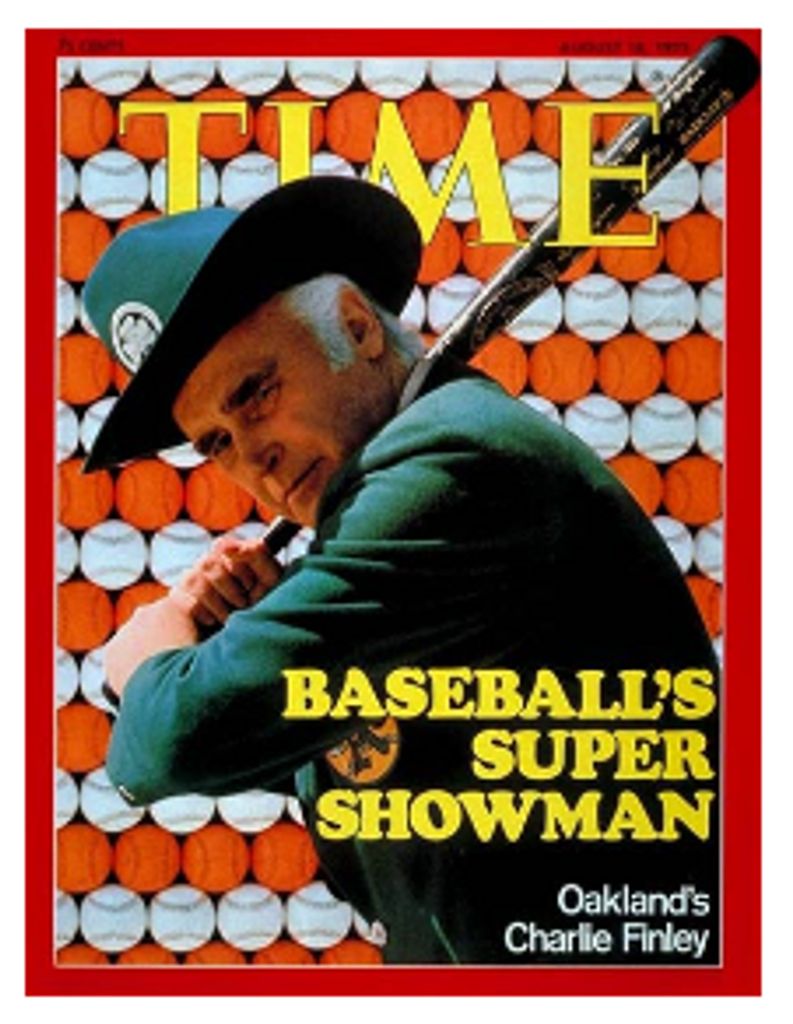
The idea never caught on, but it became an intrinsic part of Finley’s legend. When in 1975, Time magazine featured him in an article titled “Baseball’s Super Showman,” the cover featured a backdrop of white and orange baseballs.
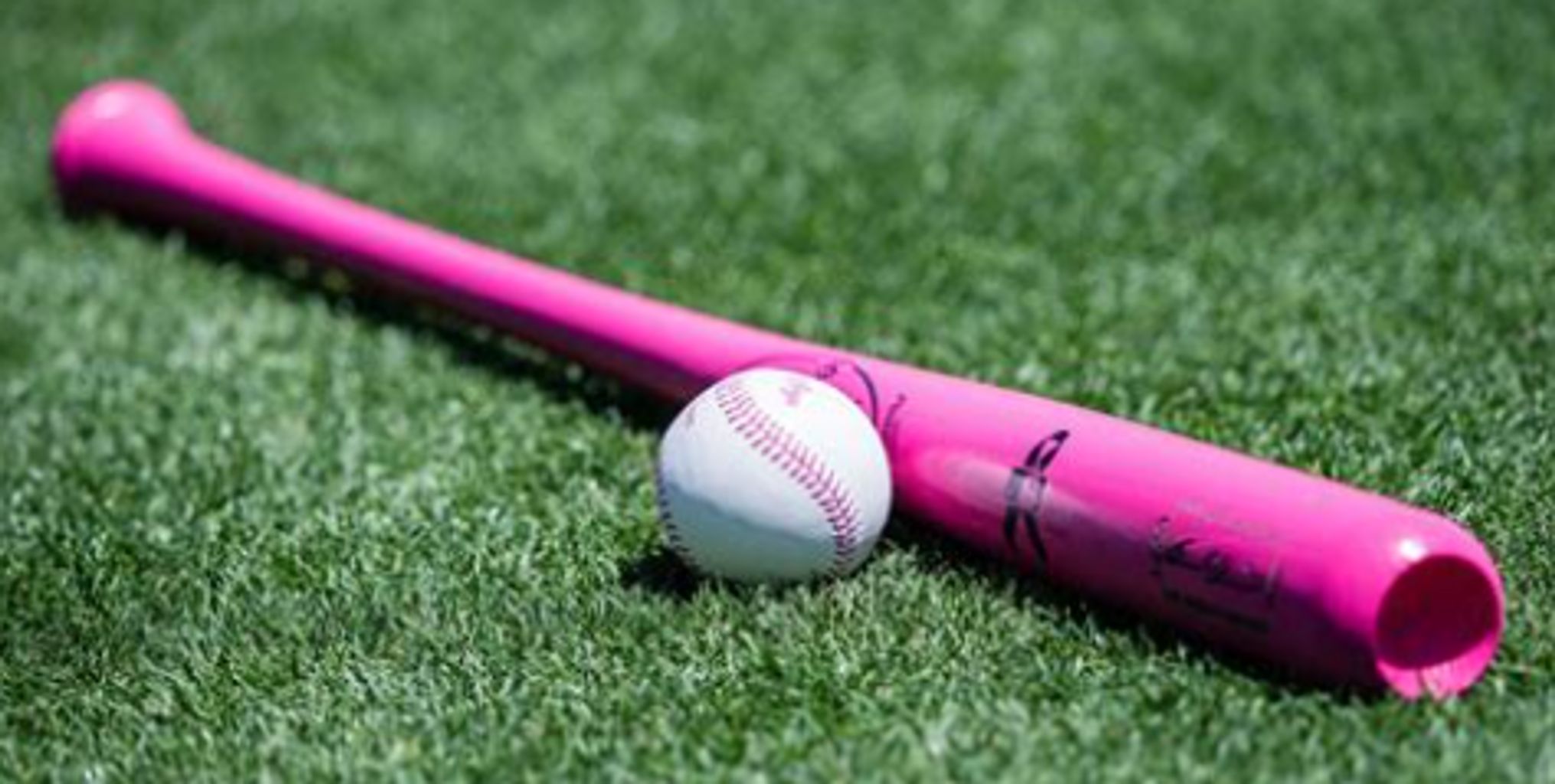
Today, we’re not likely to see a green or blue ball. But we’re not immune to a pink ball during Mother’s Day, which is already the case for bats.
2 comments
-

Frederic Legrout
-

Ancien membre
See the 2 commentsSympathique histoire sur la couleur de la balle
Drôle d’histoire, merci
Community rules
Loading rules…