 ROU
ROU
 SAV
SAV
 PES
PES
 PHA
PHA
 REN
REN
 NAB
NAB
 COM
COM
 COL
COL
Alexandre Oger, The Abandonment

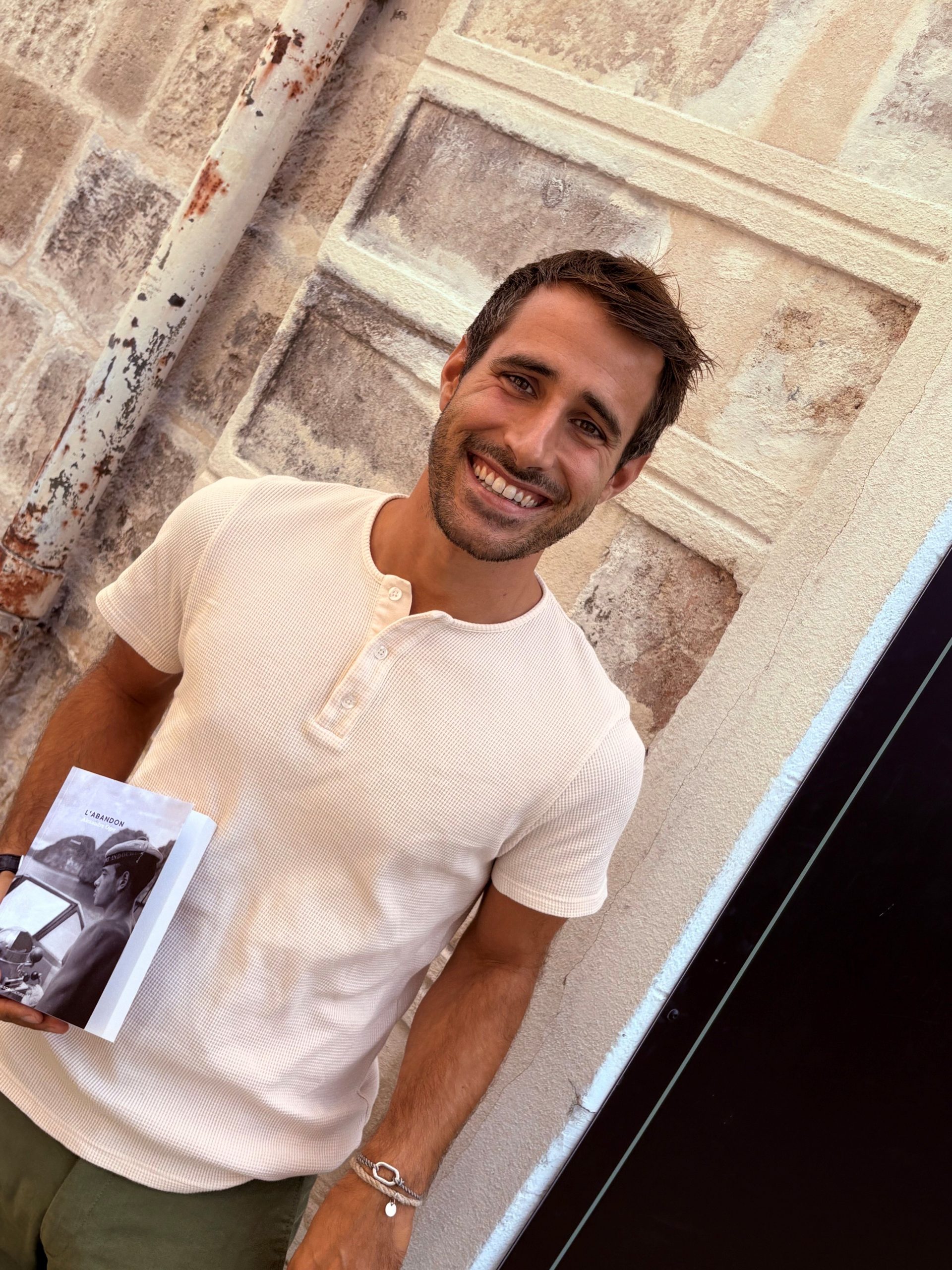
In 2017, Alexandre Oger was just a young intern at the French Baseball Federation. He contributed his expertise in sports law like laying a first stone, serious and diligent. But once the day was over, another life began: in the evening, in the silence, he heard the voices of his ancestors again. Mostly his grandfather’s, who recounted Indochina with its scents of sea spray and gunpowder, the Rochefort arsenal vibrating with metal, ships setting off into the unknown, and those baby tigers trained among the soldiers. Then his grandmother’s soft voice, continuing the story, evoking the military Asia, Halong Bay, the memory fragments of an exiled sailor.
Then, writing tickled him, nibbled at him. It returned. Alexandre had already dared to write before, but his texts had remained secret, hidden in drawers. This time, something took shape: the framework of a personal novel, a fiction that embraced the truth of memories. He got into the game, building a story where forgetfulness is reborn. Through a character named Hugo and a thirty-year-old narrator who isn’t unlike him, he orchestrates a ballet of echoes, mirrors, confidences.
The shadows of Belmondo and his Paul hover over his pages, Steve McQueen throws a baseball against an invisible wall, Hugo Pratt breathes his love of travel, Sergio Leone lays down his Italian music like a distant choir, and Céline whispers his nocturnal phrases from Journey to the End of the Night. All this fuels the momentum.
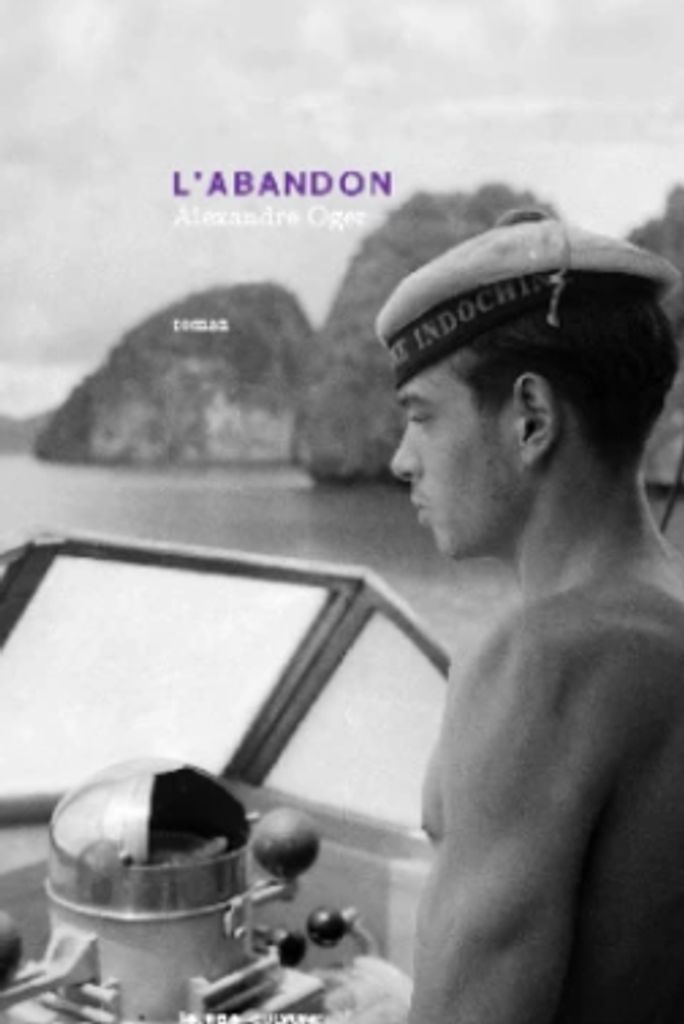
In Rochefort, François Rochon and SAS Culture Editions reached out. Alexandre then dared to cross the border: he would no longer be just the one who writes for himself, he would be the one who publishes. The Abandonment became the title of this first novel. These words, he traced them in pencil, the old-fashioned way, without any artificial intelligence interfering in the gesture or the review. Even the cover photo is anchored in the archive, inhabited by the figure of his character Hugo. Like a tribute: his grandfather could have been named Corto.
His style, meanwhile, walks between brutality and innocence, between raw violence and the tenderness of childhood. A liberated language, sometimes crude, slangy, which he doesn’t use in his daily life. That’s where his deliverance lies: in this transition to a voice that isn’t exactly his, but which reveals him.
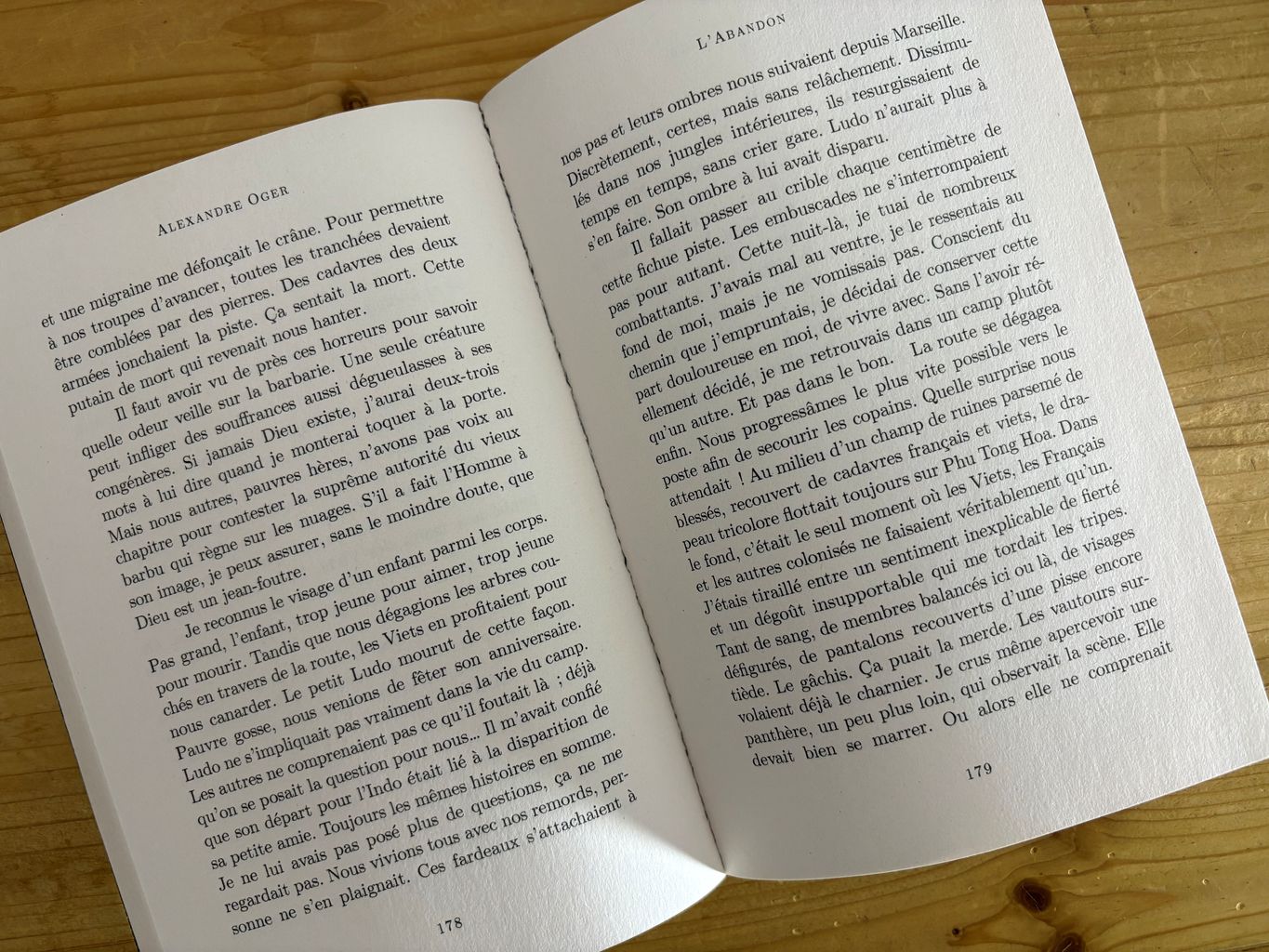
And tomorrow? Tomorrow no longer belongs to the author. Because once the book is printed, the text becomes prey to the readers. Alexandre watches these first reactions like one watches the horizon: they give hope. Already, a second novel is budding, another plot, another place. But always this loyalty: a solid anchor in his land, Charente-Maritime, his source, his home port.
Find out more: Here


React to this article
Community rules
Loading rules…