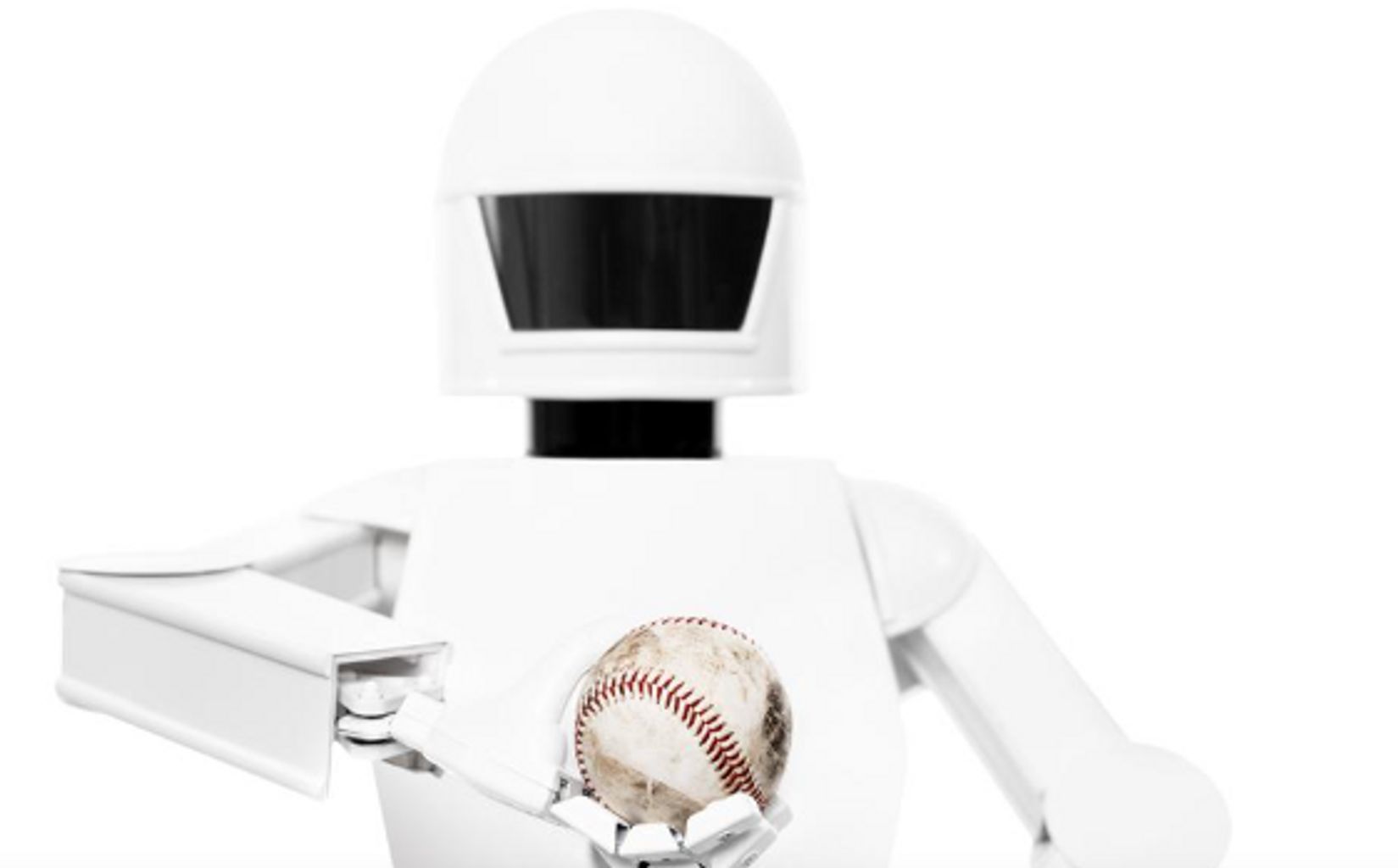
This season in Triple-A, Major League Baseball (MLB) is conducting an in-depth experiment – the introduction of an automated ball-strike system (ABS), affectionately known as ‘robot umpires’.
This innovative system uses a dozen ultra-fast cameras to track pitches and transmit the result to an earpiece worn by the home plate umpire. The result is an umpiring system that promises precision within 2mm, effectively eliminating human error.
Yet, a lingering question remains. Would a game governed by robots be better for baseball?
Two visions of the future
Currently, two variants of the future are being tested in Triple-A this season. From Tuesday to Thursday, the ABS is in full control, leaving no room for the umpire’s discretion. However, on weekends, balls and strikes are judged by the umpires’ eyes, but players are allowed to challenge a call three times per game.
The introduction of these two systems offers a fascinating glimpse into the MLB’s future priorities. On one hand, the full ABS system aims for absolute perfection in ball-strike calls, eliminating the human factor. On the other hand, the ABS challenge system offers a compromise, acknowledging the need to correct occasional glaring errors while preserving the traditional role of the umpire.
If this system brings the strikeout rate back to levels comparable to 30 or 40 years ago (13.5% in 1983 vs 22.7% in 2023), it will be undeniable. More balls in play means more action in the game.
Protecting the art of the game
While the ABS system retains the allure of technological precision, many players and fans argue that it also threatens to eliminate a crucial aspect of the game – the catcher’s ability to frame a pitch or present a ball outside the zone so skillfully that it deceives the umpire into calling a strike: framing.
This skill benefits not only teams with adept catchers but is also an essential element of baseball tradition.
Evan Skoug, catcher, stated:
« I’m completely against ABS when I’m catching because some of the best catchers … have made their careers defensively. You can control the personnel and steal a few strikes. »
The ABS challenge system thus attempts to find a balance. It preserves the human element and skill while offering a technological backup when calls are highly questionable.
Challenges and strategy
Interestingly, the ABS challenge system has introduced a new element of strategy into the game. Players must be selective about when to use their limited challenges. This decision-making element becomes increasingly important as the game progresses. According to the MLB, the ninth inning sees the highest proportion of challenges, with 4.9% of pitches contested.
However, the ABS challenge system is not without flaws. In addition to the risk of misused challenges, unique positions can complicate zone determination and locations are not always recorded. Moreover, there are concerns that players receive real-time advice from the dugout on when to challenge, which contradicts the anti-cheating stance propagated by the MLB.
Future considerations
The MLB’s decision to implement ABS at the major league level requires careful examination and broad consensus. The league will need to win over the umpires – no easy task given their skepticism toward the system. Additionally, the league should convince the owners that the time is right to implement such a profound change in the game.
Meanwhile, the experiment continues. Over the next four months, hundreds of thousands of pitches will be thrown in Triple-A. Data will be collected, and the strengths and weaknesses of both systems will reveal themselves. With every pitch, every call, and every challenge, the MLB gathers crucial information that will determine the future of the game.
Obviously, we’re far from there in France. We’ll have to go through full video review, then the time clock, and then in 30 years, we can consider replacing our volunteer human umpires…
The Free Agent : here