Only the umpires hold this discretionary power during a baseball game. We’re looking into this as ejections seem to be rising since the start of the championship.
Let’s start with French statistics:
As of June 12, 2022, since the start of the season
Division 1: 5 ejections in 54 games
Division 2: 6 ejections since the start of the season in 94 games
Challenge de France: 4 ejections in 13 games
European Cup: no ejections in 13 games
First observation: Division 1 has more ejections than Division 2 and especially concentrates these difficult moments in the tensions of the Challenge de France tournament. As for Europe, the picture is clear: player and umpire conduct is more important.
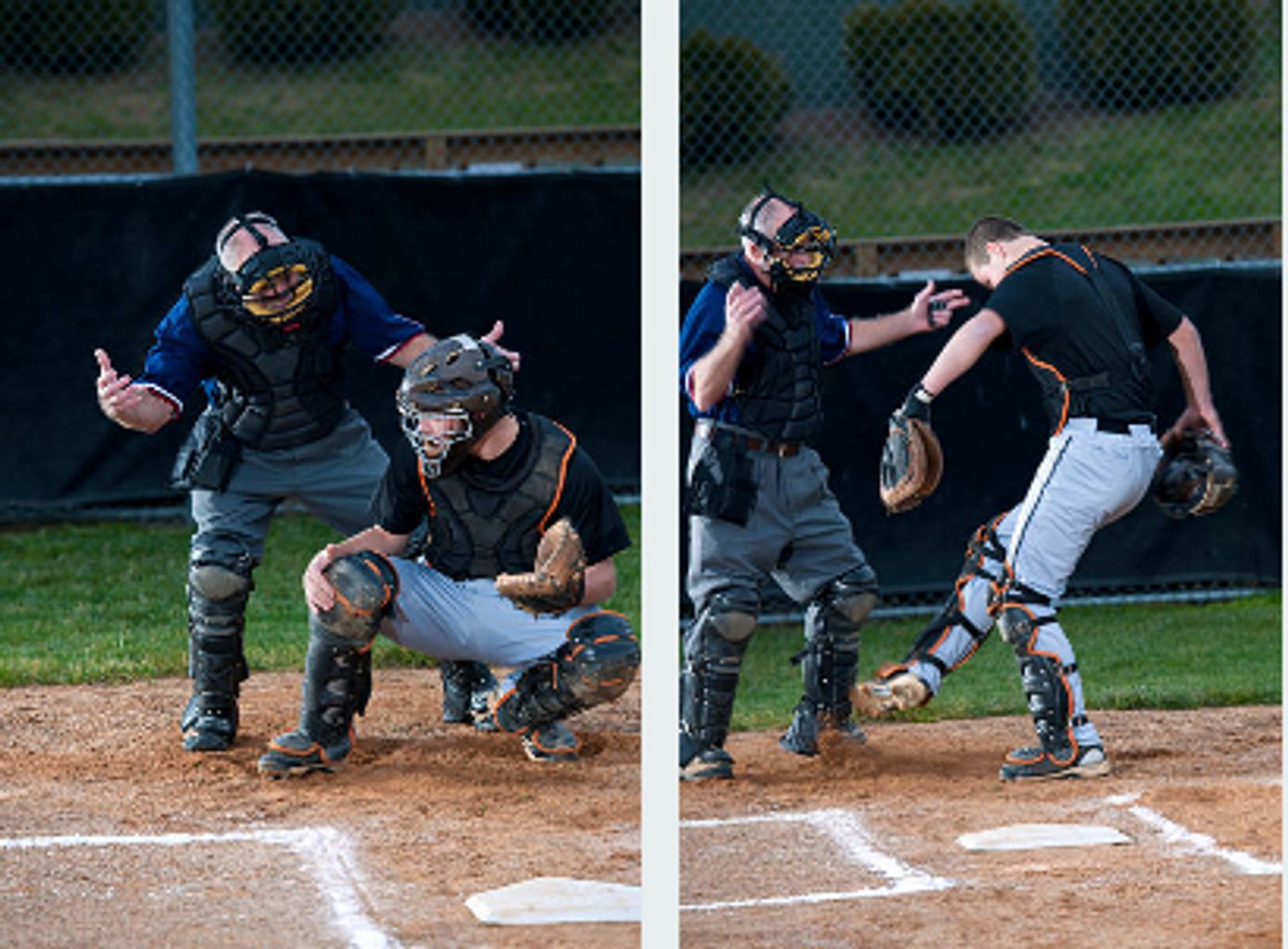
It could be a player, but most often it’s one of the coaches who pays the price. Contesting an umpire’s call is almost always the reason for these heated exchanges on the sidelines. While we, as spectators, are often kept out of these tirades that we barely hear or understand, we do see the umpire’s clear gesture indicating the end of the conversation.
There are twelve cases in the regulations that allow an umpire to eject a player or coach from the game and for the entire matchday. This is important because many matchdays feature doubleheaders, and this can deprive a team of a player or coach. The reason ejections involve coaches more is that they are the only ones authorized to discuss a call. If an unauthorized player does so, even calmly, they are systematically shown the door.
Why does this happen:
It’s pointless to look at statistics by club or player type, nationality, etc.; those numbers don’t hold much weight. It’s better to focus on a coach losing control over what they perceive as injustice. First, the umpire’s power, reputation, and charisma on the field are key factors. Tolerance is in play at the start of the game, but if several calls are deemed questionable by players and/or coaches, tension builds. Then, a call on a more contentious play at a turning point in the game, in terms of the point differential between the two teams, can escalate things. Of course, the tone used to contest, seek explanations, or try to convince is the basis for ending the conversation, which often leads to an ejection.
It’s easy to say that insults, questionable language, innuendos, and angry gestures are off-limits. But depending on the coach’s or player’s temperament and upbringing, they may let their guard down, and invective becomes inevitable. Various pressures override restraint, and the choice to do everything for the team’s sake (including abandoning it) comes into play.
There are also dangerous plays at base, unfortunate gestures with the bat, moments when the player no longer controls the boiling pot inside them and lets out a grudge, a vendetta, or an inappropriate gesture that often garners unanimous agreement and sometimes even support from their own coach.
More amusingly, the regulations also provide for the exclusion of a player or coach if, on a call, they contest it by relying on a video or photo. To date, only a few clubs have live broadcasts, and it would be unfair to allow this kind of contestation via this kind of support as long as all matches are not broadcast. When that day comes, we can, like in other sports and in MLB, use video as a challenge tool and for better umpiring decisions.
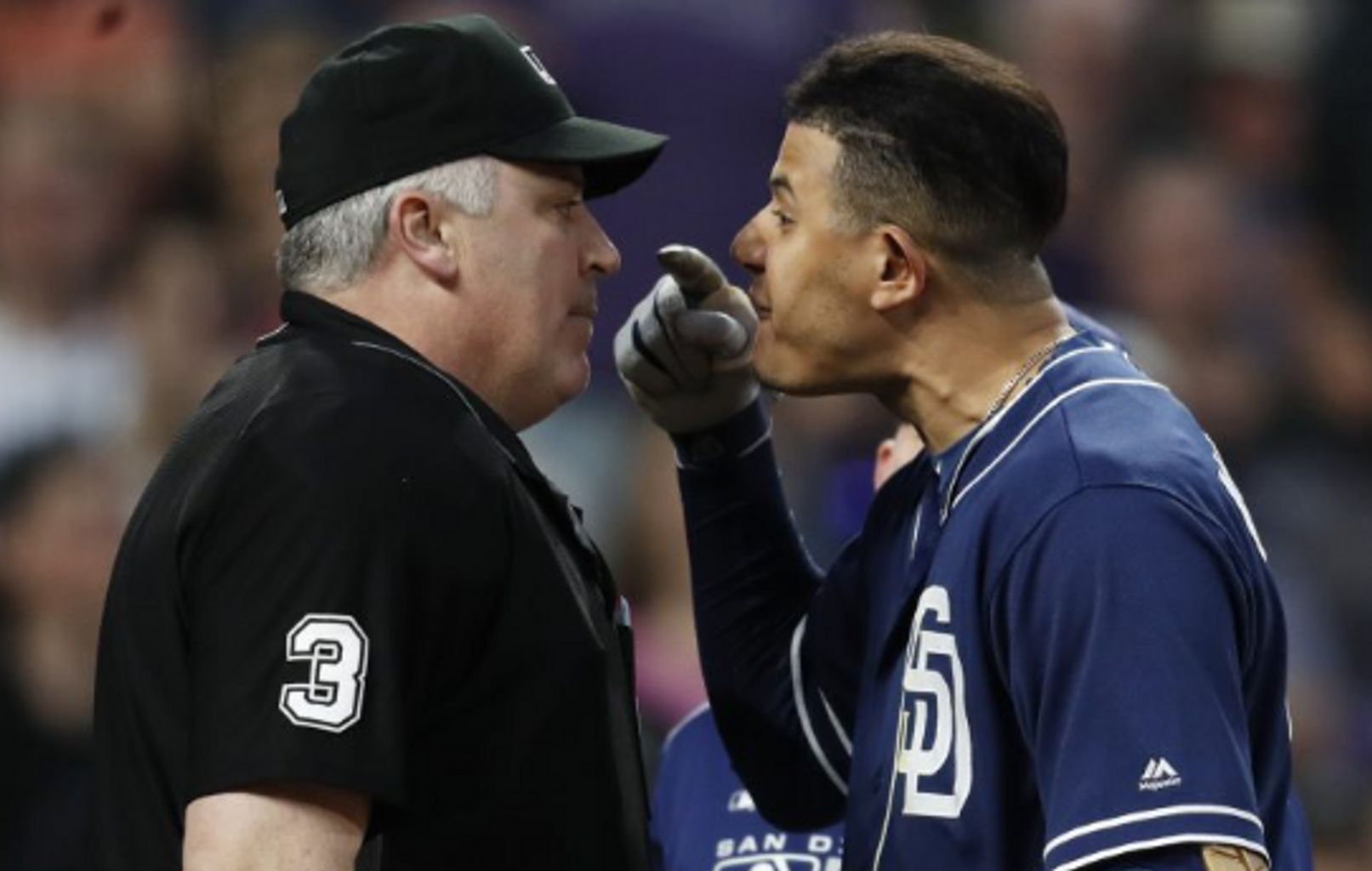
However, another way to think about ejections can be considered. That of rallying the troops, the knell sounding like a warrior instinct to awaken. The team is dominated, losing the score, and it must be shaken to try to resume the fight. The coach, as a last resort, gets ejected, leaving his players facing two injustices: a questionable call and an ejection. The strategy is heavy and not without consequences, but it can exist in the minds of some strategists.
Sometimes ejections are legitimate in the eyes of the regulations, recall the one suffered by Rouen’s pitcher in the 2021 playoff final, due to a visit to the mound and then a new visit just after by the catcher to his pitcher. This second visit resulted in the pitcher’s removal. It’s not a true ejection, but it’s experienced as such. The coach taking the mound, captain, oh captain, putting the whole team back on the path to victory rather than in the bitterness of a difficult decision commands respect.
Ultimately, we, the public, love the spectacle, and these plays are part of the show. However, they are not beautiful or valuable for young generations. Let’s hope players and coaches will fight only with the legal weapons of baseball and train new generations bearing the supreme value of respect for the umpires.
Didier Cannioux