BTVF: Who are you, Antoine Robert?
A.R.: I’ve been a mental coach and personal development coach since 2012. I combine these two highly complementary approaches to support many elite athletes or amateurs, as well as students, individuals, business leaders, and even elected officials. Previously, I was a sports journalist for 5 years.
Today, what I love about my job is helping individuals or teams become more effective while knowing that everyone is different, unique. Consequently, each program is tailored and custom-made, and it’s this diversity that brings me joy.
I’ve worked with organizations like Stade Rochelais Rugby and basketball, Olympic athletes, and professionals. That’s how I started my collaboration with the Boucaniers de La Rochelle in 2019, to my great delight!
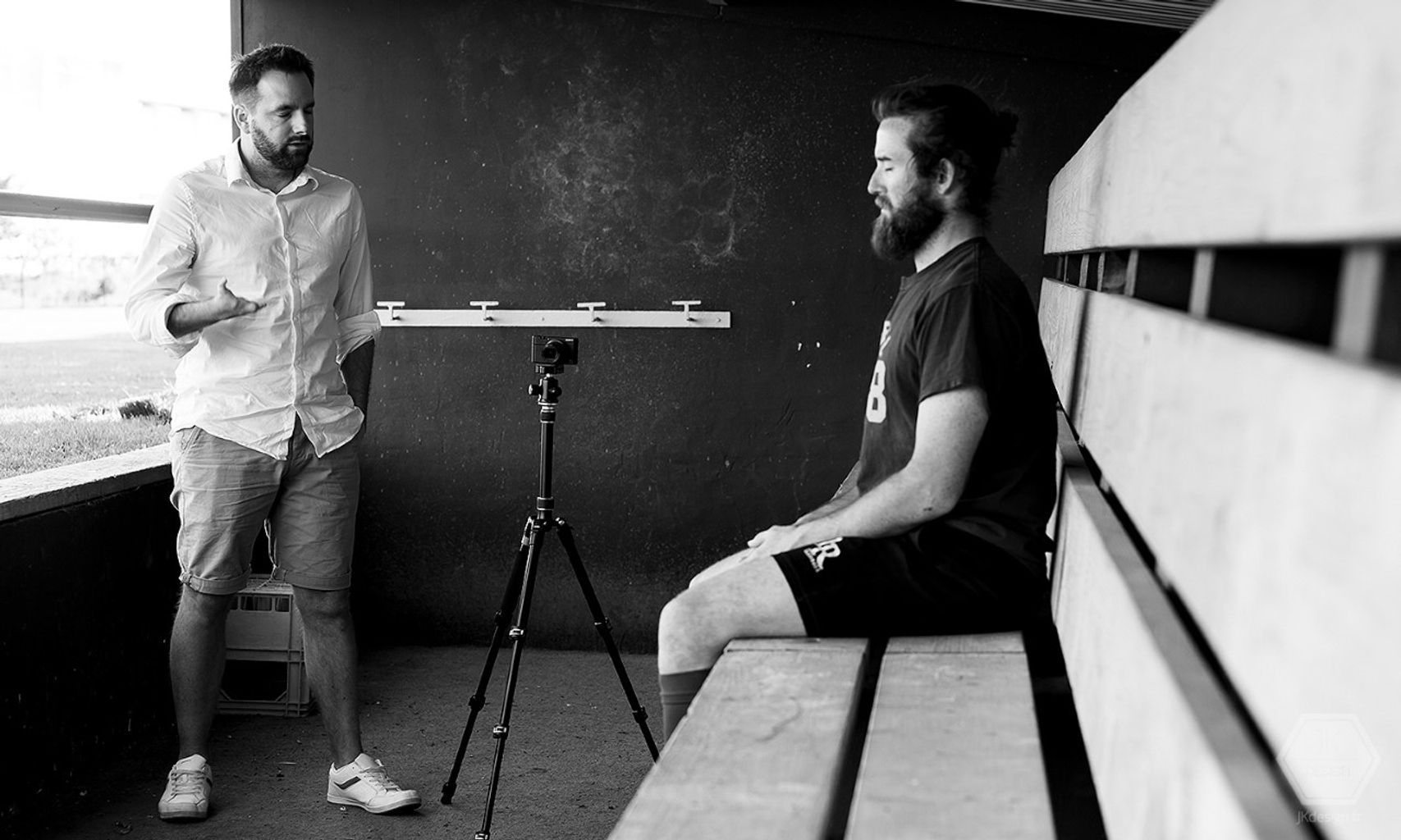
BTVF: We all feel the urge to morally support others to help them progress, but without technique, we don’t get far. How does one professionalize this action, especially in sports?
A.R.: Sports have always been my passion, so when I wanted to change careers after my years in journalism, I wanted to stay connected to this exciting and emotionally charged world. Coaching roles suited my personal skills, so I decided to dive in, always with the goal of working with athletes. Later, I completed numerous training programs to gain technical skills (professional coaching certification, mental preparation diploma) and thus be legitimate in the eyes of my clients.
BTVF: Elite athletes seek solutions to better manage their mental state before, during, and after competitions. How do you define your scope of action and frequency?
A.R.: First of all, I’m not a magician. Mental preparation isn’t a magic potion that solves problems or leads to instant progress. Mental preparation is primarily cognitive training. Training implies repetition and investment, just like physical, technical, or tactical preparation. It’s the fourth pillar of performance.
With mental preparation, I work on issues such as emotion management (stress, fear, pressure), attention focus (concentration), self-confidence, goal setting, motivation, team cohesion…
Mental training can vary from one client to another; there’s no one-size-fits-all. I’ve been working with some people for years with regular sessions, while others call on me for specific periods (preparation for a competition, an exam…). In that case, the pace is more intense.
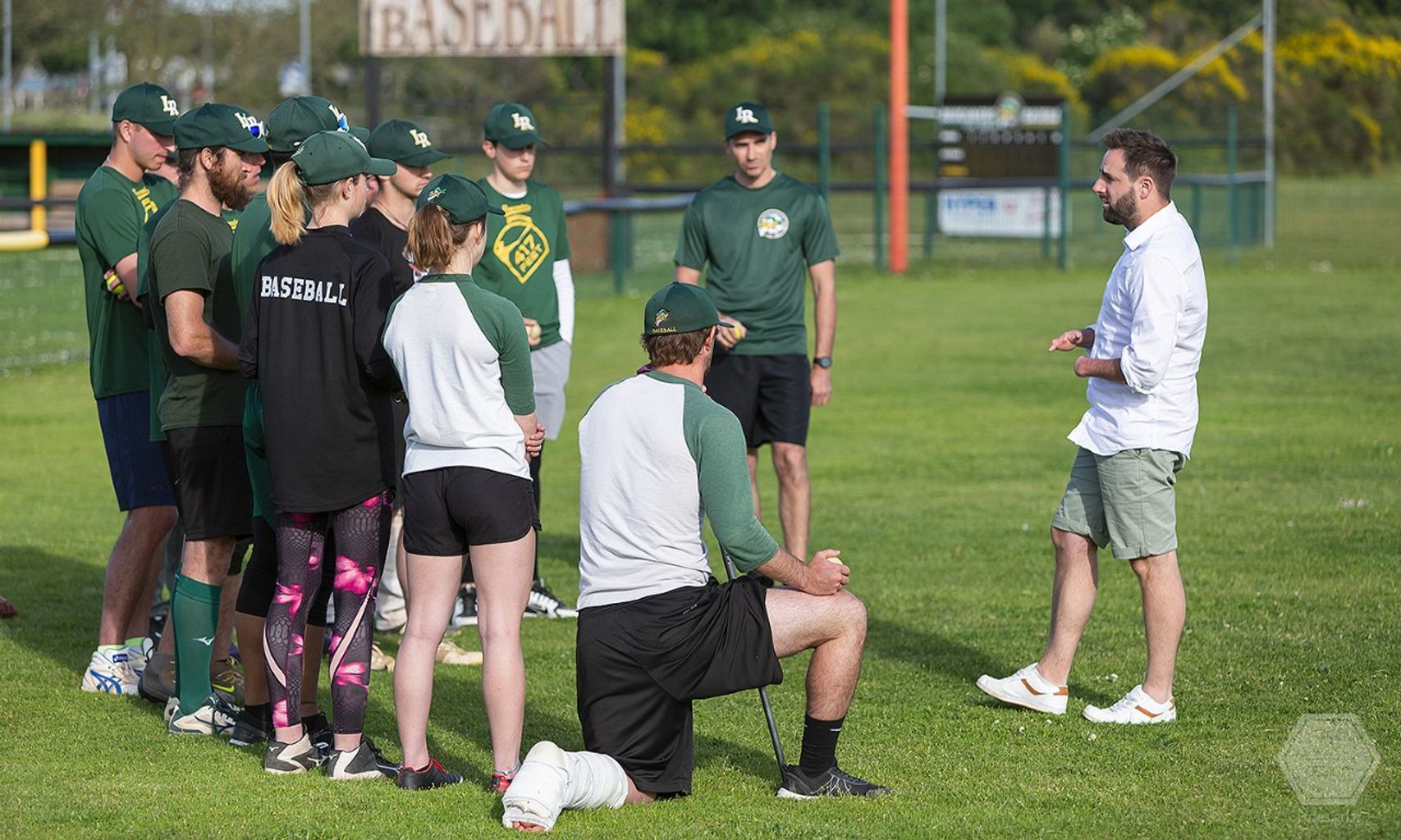
BTVF: We know words alone aren’t enough to drive progress, and certain exercises enhance the reliability of our senses. How do you approach specific exercises based on sports, particularly baseball?
A.R.: I observe a lot and ask many questions at the beginning of my collaborations to better understand the specifics of the disciplines and athletes, but also to allow me to develop an action plan tailored to the environment and expressed needs.
Regarding baseball, I quickly understood that this sport is based on reactivity, decision-making, and managing failure. From there, I implemented classic cognitive training exercises but also specific baseball exercises that I created and, based on athlete feedback, work.
BTVF: Baseball comes with its share of challenges, particularly the speed of the ball and the recurrence of failure situations. What are, for you, the specifics of mental and sensory preparation related to this sport?
A.R.: Failure is a difficult aspect for many athletes to grasp. In baseball, failure is very present. To manage it, it’s interesting to work on the ability to be in the present moment, manage emotions, and of course, strengthen self-confidence to be as little impacted as possible by a strikeout, for example.
For sensory training, I use software and exercises that help improve reactivity, decision-making, and concentration. It’s true that baseball is one of the most mentally demanding disciplines I’ve professionally followed.
BTVF: Mental preparation has already found its place in elite and professional sports. Do you think it will make its way into amateur sports?
A.R.: Gradually, the sports world in general is opening up to mental preparation. The professional world sets the tone, but unfortunately, it’s sometimes still too hesitant (financially, especially) and resistant. Awareness is nevertheless taking place, and that’s a good thing. In the United States, it’s common for staff to include psychologists or mental coaches, but in France, we’re always behind on these issues… but we’re getting there at our own pace.
Amateur sports are almost more inclined to call on us, even if the financial factor is a limiting element to this openness. Once again, it’s becoming more democratic, and amateur sports are also moving in the right direction on this path.
BTVF: What can we wish for you?
A.R.: Above all, to continue being fulfilled in my work and to witness the evolution of many other athletes. For me, there’s no greater satisfaction than a client telling me they’ve become a better version of themselves and are therefore fulfilled. Usually, good results follow.
Then, to continue my current collaborations and develop new ones, especially in baseball, and why not with national teams.
Interview by DC