 ROU
ROU
 SAV
SAV
 PES
PES
 PHA
PHA
 REN
REN
 NAB
NAB
 COM
COM
 COL
COL
Why Do They Break?

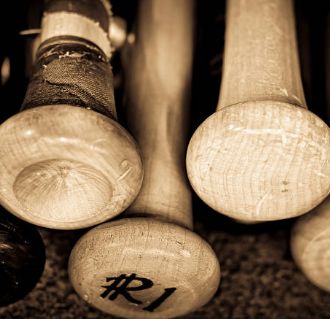
Baseball’s rules for equipment are simple: bats are made of wood. A bat weighs around 1 kg, has a 7 cm diameter at its thickest point, and is no longer than 1.067 m (42 inches). While birch and ash are common woods for baseball bats, maple is the most popular. It makes up about 75-80% of bats in the majors. Maple is favored for its density and hardness, which are advantageous in baseball. Maple is therefore the best wood overall.
Why Maple: Because it’s dense and durable
The hardness and density of maple allow the ball to come off the bat more easily. While this rebound doesn’t make a huge difference, it’s enough for most Major League players to prefer maple bats over other types of wood.
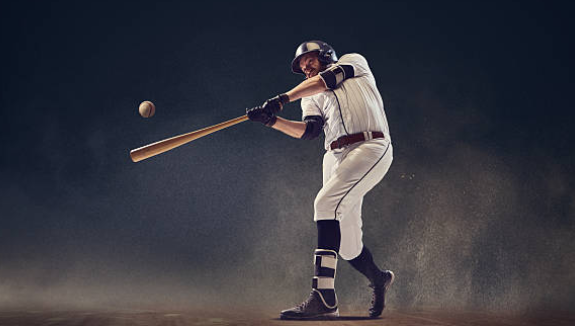
Another factor linked to the durability of maple bats is their tight grain. Unlike other woods, maple has diffuse porosity, which allows it to hold up well even under high-impact hits. Consequently, the grains press together when you hit with the bat, preventing flaking and splintering unlike birch or ash. However, if you hit hard enough, your bat can break. Sometimes the wood splits completely, and the bat ends up in two or three pieces on the infield. But sometimes, the sound the bat makes at impact is enough to tell you it’s cracked but not yet broken. Watching the video above, you can see why the bat breaks depending on the ball’s speed, but especially where the ball hits the bat.
In the French championship, four main bat brands are used:

1 comment
-

Ancien membre
See the 1 commentExcellent ! L arbre ouvert en deux par la foudre dans le film « Le meilleur» était-il un érable ?
Community rules
Loading rules…