BTVF: Who is Nathalie Miclette?
N.M: I’m in my ninth season as a photographer for the Quebec Major Baseball League. Besides my passion for baseball, I’m also a writer.
BTVF: How did baseball catch you?
N.M: It’s my husband of the past 23 years who introduced me to the sport. Our very first movie at the cinema was a baseball film, and our honeymoon took us to MLB-affiliated baseball stadiums in six different American states. That’s also when I started photographing baseball.
At home, baseball is a year-round affair. When the snow covers the ground and the intense cold makes our teeth chatter, I’m already preparing for the next season with photo-reportage ideas that will help showcase the league and its players.
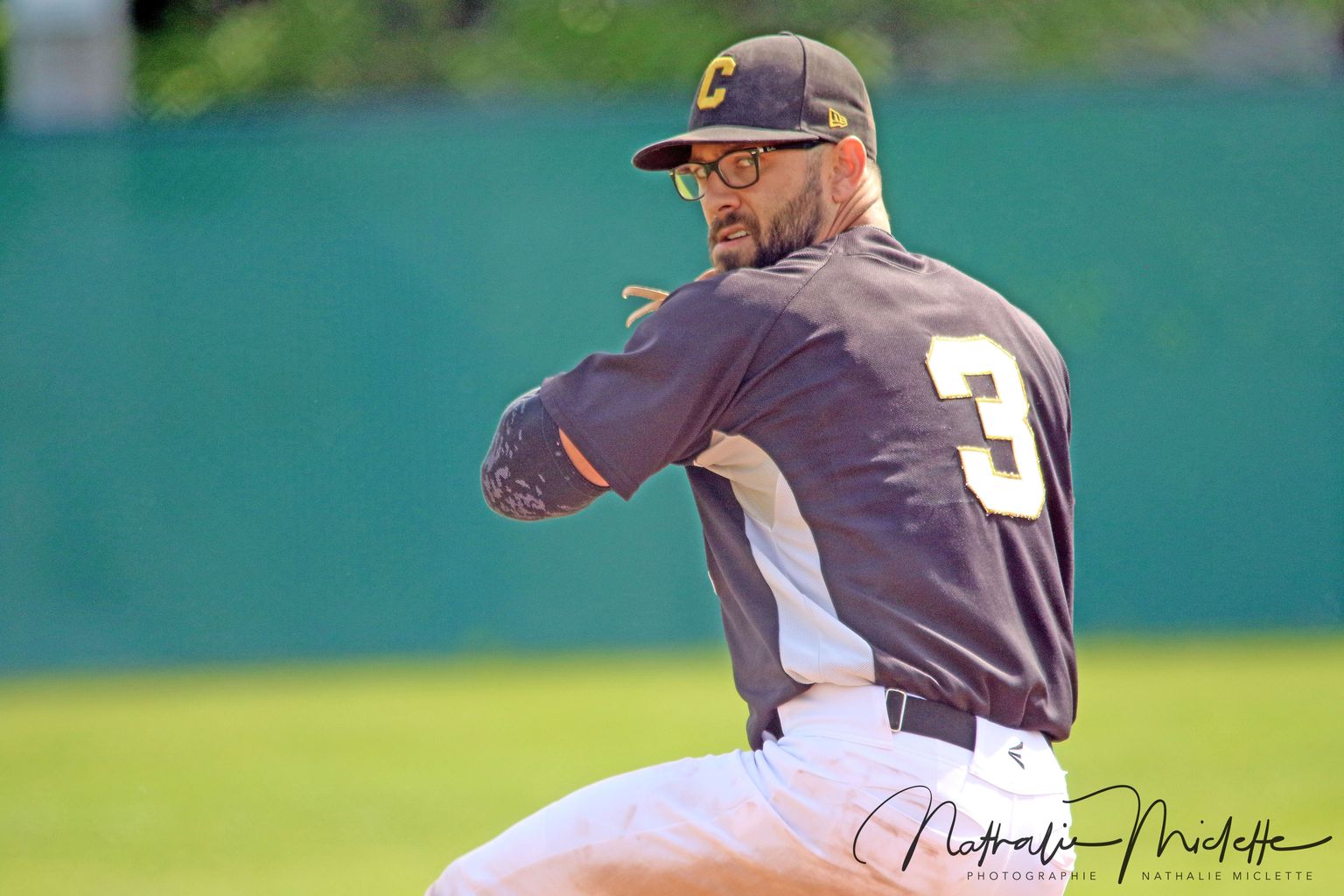
BTVF: You spend a lot of time with your camera around baseball fields, tell us about this passion, its joys and challenges?
N.M: Nothing is more enjoyable for me than arriving on the fields at least an hour before the game starts. To watch the warm-ups, chat with the players, but also to see the stadiums come alive with the arrival of the fans and the excitement that builds. I also love the multicultural diversity within the league for the different intensities it brings to the game.
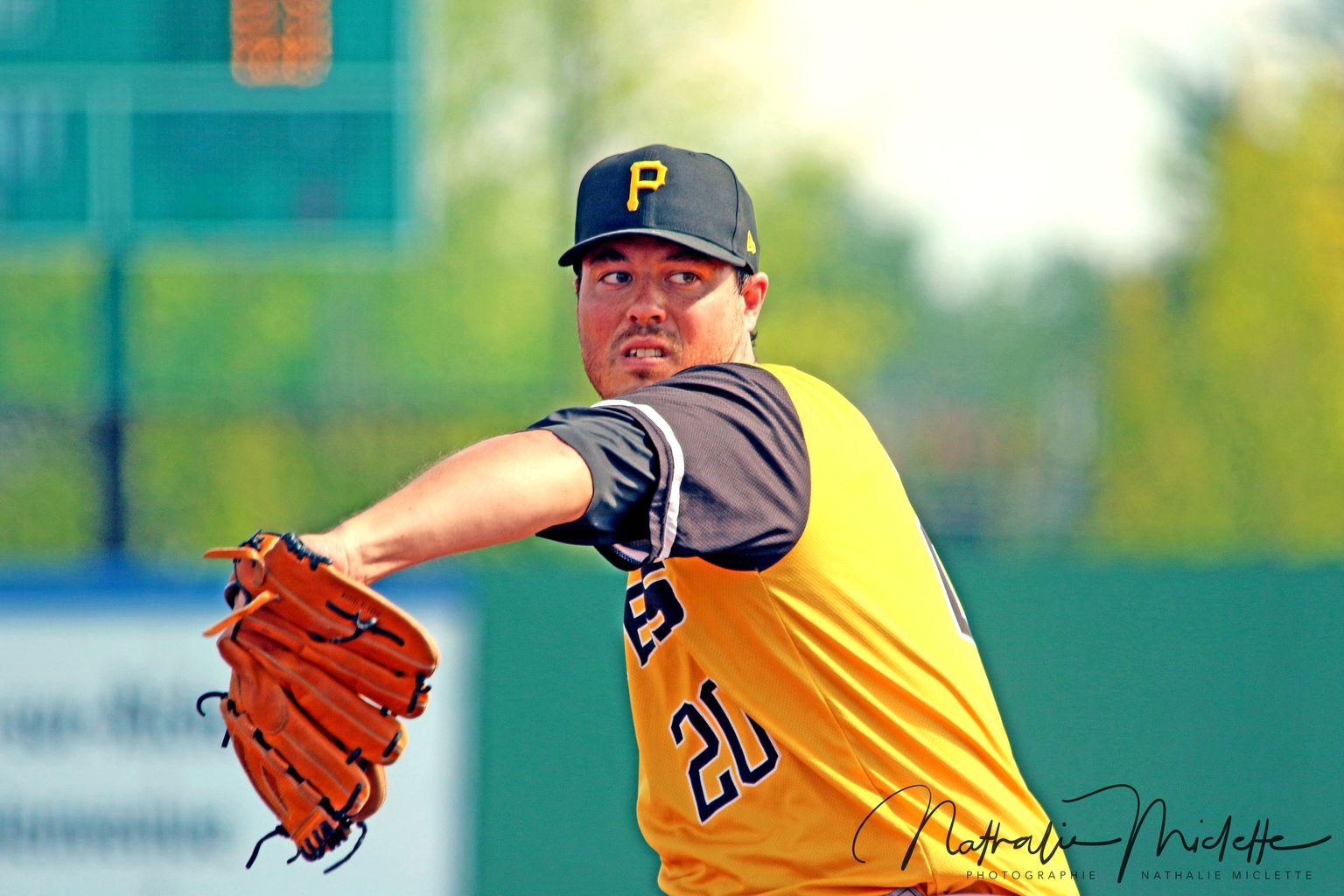
From a photographic point of view, unlike other types of photography where you have to set up the subject, in baseball everything is natural. There’s no staging, and anything can change at any moment. Being able to anticipate the action plays is essential. The downside of this work is undoubtedly the many hours dedicated to processing the photos, but it’s a necessary step to produce a quality product that will be pleasing to the eye while ensuring the players are at their best. Dumping the contents of my memory card onto social media without checking the content is not part of my modus operandi.
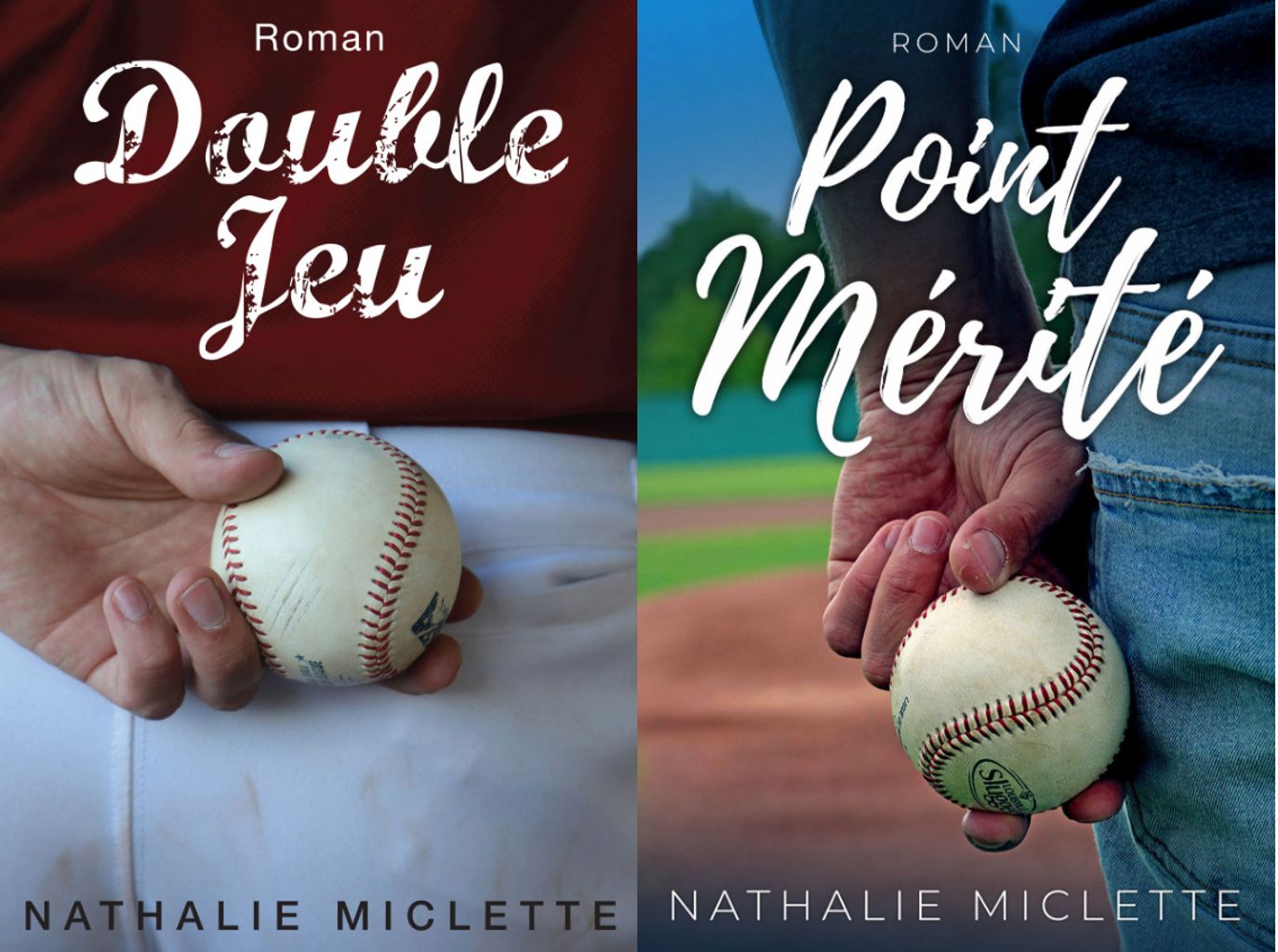
BTVF: From the lens to the pen, it’s not just a step, how did the adventure of writing these two back-to-back novels, ‘Double Jeu’ and ‘Points Mérités,’ begin and unfold?
N.M: Over the seasons, I’ve lived or heard many anecdotes from the different fields of the league. With all this baggage, the research work wasn’t difficult. I didn’t have to invent the rivalry between pitchers either. After creating my three main characters, the chapters followed one after the other like scenes from a movie that I kept replaying in my head and then putting on paper.
BTVF: Your characters are steeped in baseball culture on the field, how have you, as someone on the sidelines, managed to understand and convey their thoughts?
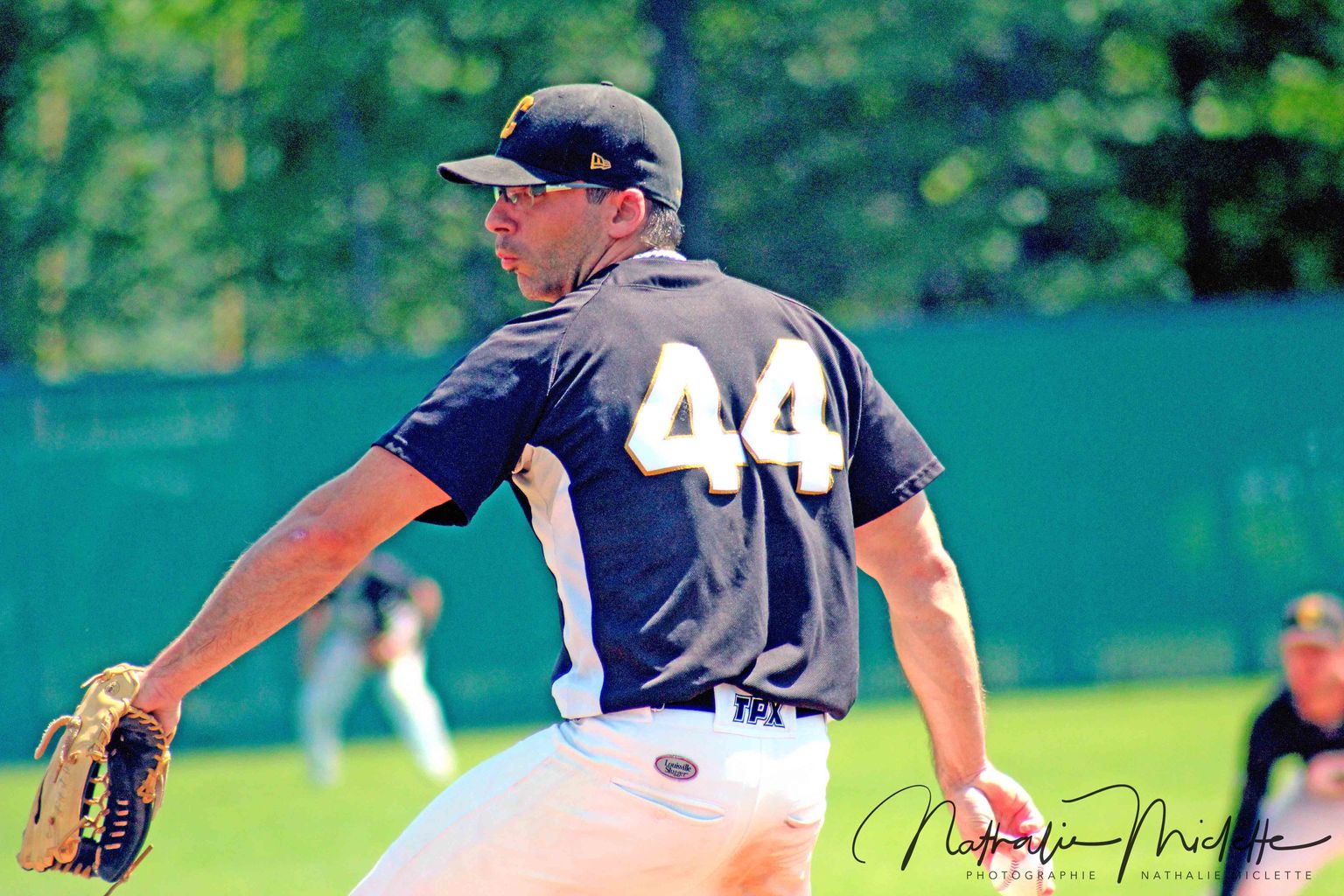
N.M: My bond with the players from the different teams is very strong. Whether it’s victories, disappointments, or defeats, I’m able to truly feel the emotions that drive them. For the more technical and physical aspects of the two rivals, I was able to count on the collaboration of several pitchers I admire as athletes, but above all as human beings.
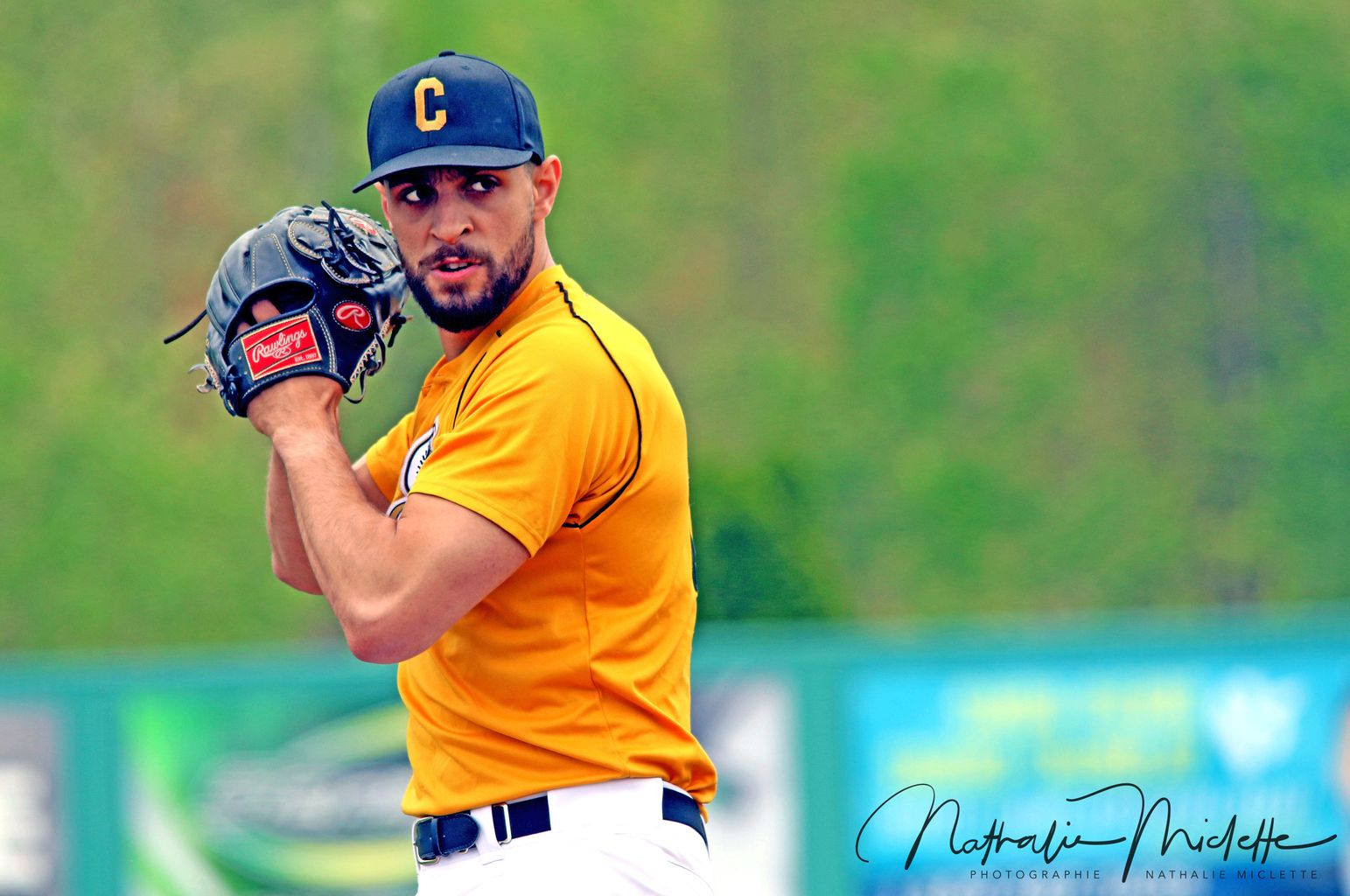
BTVF: The pitcher does more than just put the ball in play, in your opinion, why did you choose this position rather than another as main characters?
N.M: Every player has their importance, but for the pitcher in particular, it’s the pivotal position of all emotions. I see the pitcher as a unifier, and I have nothing but admiration for these men who live with the enormous pressure of giving meaning to the game and who are always just a few pitches away from changing the outcome of the game.

BTVF: What can we wish you?
N.M: To expand my baseball family for many more years and a third installment to this series of sports-flavored novels.
Interview conducted by Didier Cannioux