The season is winding down. Only the Division 1 softball final and the French Open of women’s baseball remain before turning the page on 2025. But the verdict is already in: this year will leave a bitter taste. France’s crushing failure at the European Championship caps off a disappointing year and opens a crisis that social media is fueling with ferocity. At least we can rejoice: the small world of French baseball is debating, discussing, proposing, and most often with respect.
In France, baseball and softball still rely on amateurism and volunteering. Paid positions are few and far between, whether in clubs, leagues, or committees. In a country where these sports struggle to gain cultural traction, the lack of financial resources stifles ambition. The sport stagnates, sometimes even regresses. The dwindling public funding and recent drop in volunteers make the equation even more complex. Doing more with less has never been easy.
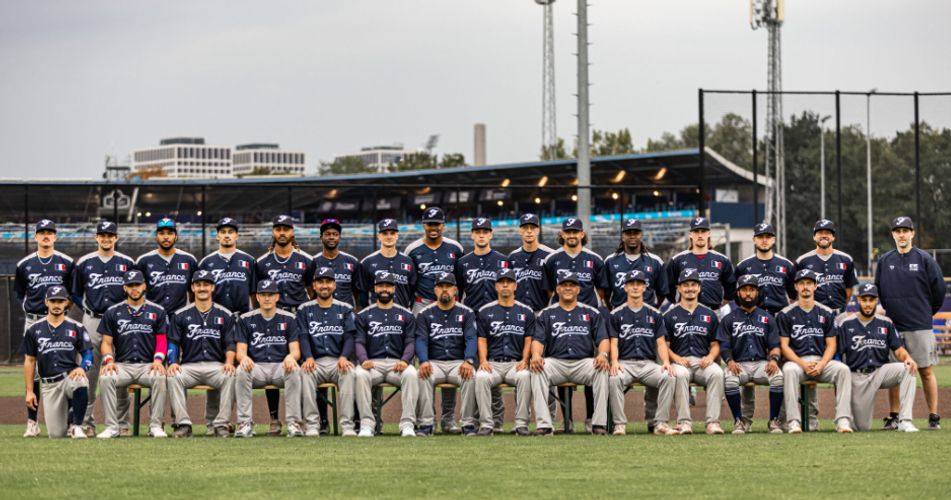
The year’s results starkly reveal the system’s limits. Nationally, the script is predictable: Rouen, Évry, or Saint-Raphaël dominate the podiums, robbing championships of suspense and adrenaline. On the European stage, the gap widens. France finishes 12th out of 16 in the European Baseball Cup, 3rd out of 4 in women’s baseball, 5th out of 8 in the U23. Even the clubs competing in Europe (Montpellier, Rouen, Évry, Saint-Raphaël) struggle to hold their own against better-structured, more professional opponents.
Therein lies the core issue: elsewhere, even nations with fewer licensed players—Switzerland, Austria, the Czech Republic—have built solid, professionalized structures capable of competing at the highest level. In France, players and coaches are rarely blamed; it’s the organization that’s faltering. On social media, federation officials are having a field day: endless comparisons, statistics to prove that « elsewhere » things run smoother. To calm the storm, the DTN even gave a mea culpa-style auto-interview. It lays bare everything: demotivated players, lack of financial resources, half-hearted admissions.
Meanwhile, on the field, radio silence. Players and coaches grit their teeth, avoid controversy, and retreat into a caution that speaks volumes. Yet, the contentious issues pile up: stalled coach training, waning team pride, inconsistent work ethic, difficulty bringing back the few French professionals playing abroad, total opacity on some players’ health status…
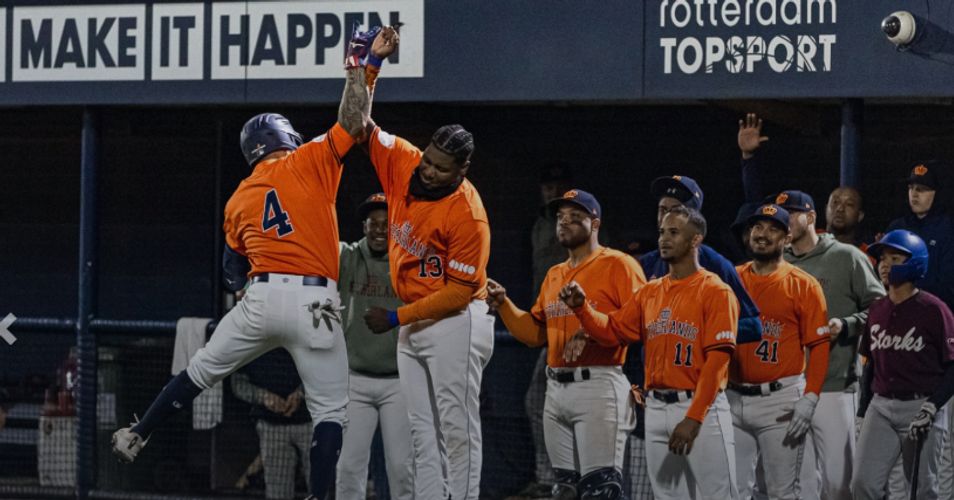
One consensus stands out: elsewhere in Europe, foreign staffs drive Formula 1 cars while here, we’re still pedaling an old bicycle. Power, preparation, competitiveness: the gap is glaring, and everyone sees it.
Faced with this reality, it’s time for a wake-up call. The current system, too fragmented between categories, disciplines, and competitions, prevents focusing on the essential: building a strong foundation in baseball and softball, for juniors and seniors, men and women. Professionalization must become the priority, from the field to the offices. Coaches already have a status; that of players remains to be invented. Clubs, leagues, and committees must be able to rely on an increasing number of professionals, year after year.
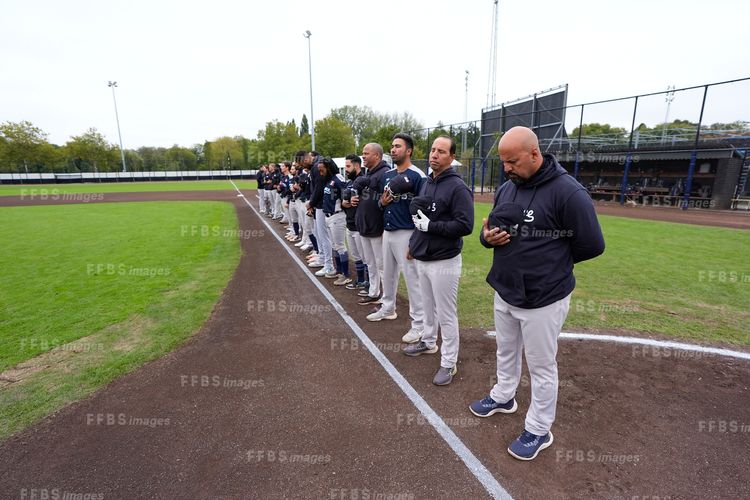
How to Move Forward?
With a ‘Fécamp’ of French baseball: bringing together presidents, volunteers, professionals, listening to their successes and roadblocks, then entrusting a small group of volunteers with the mission of formulating concrete solutions.
Goals: finding new funding sources, inventing a status for the professional player, and mutualizing best practices through national working groups.
Communication must also shed its amateurism. The Federation must actively support Division 1 clubs, harmonize social media presence, and invest in proper broadcasts, worthy of the name. DIY captures give a messy image and repel more than they attract. As for the federation’s officials, it’s time to professionalize their communication: personal Facebook doesn’t serve as an official channel.
A national symposium, bringing together all stakeholders, is the only way to reignite the momentum. The executive committee alone doesn’t have the tools and has lost legitimacy. But collectively, French baseball and softball can find a second wind. Otherwise, next season will sadly resemble this one: well-organized championships, the same eternal winners, and international disappointments.
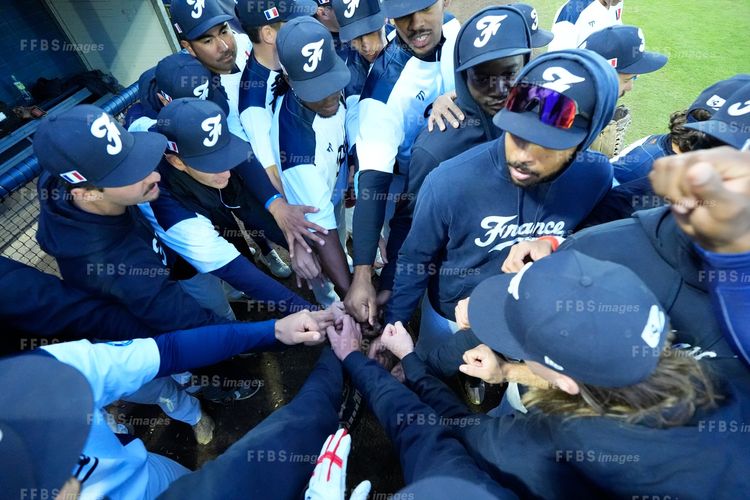
We await your solutions in the comments. French baseball and softball community: wake up!
As last year, in November, we will organize a live interview with the Federation President on Baseball TV France to review the 2025 year in full.
Photo Credit: WBSC, Glenn Gervot
Article co-signed by Didier Cannioux and François Colombier